
Last updated November 14, 2026
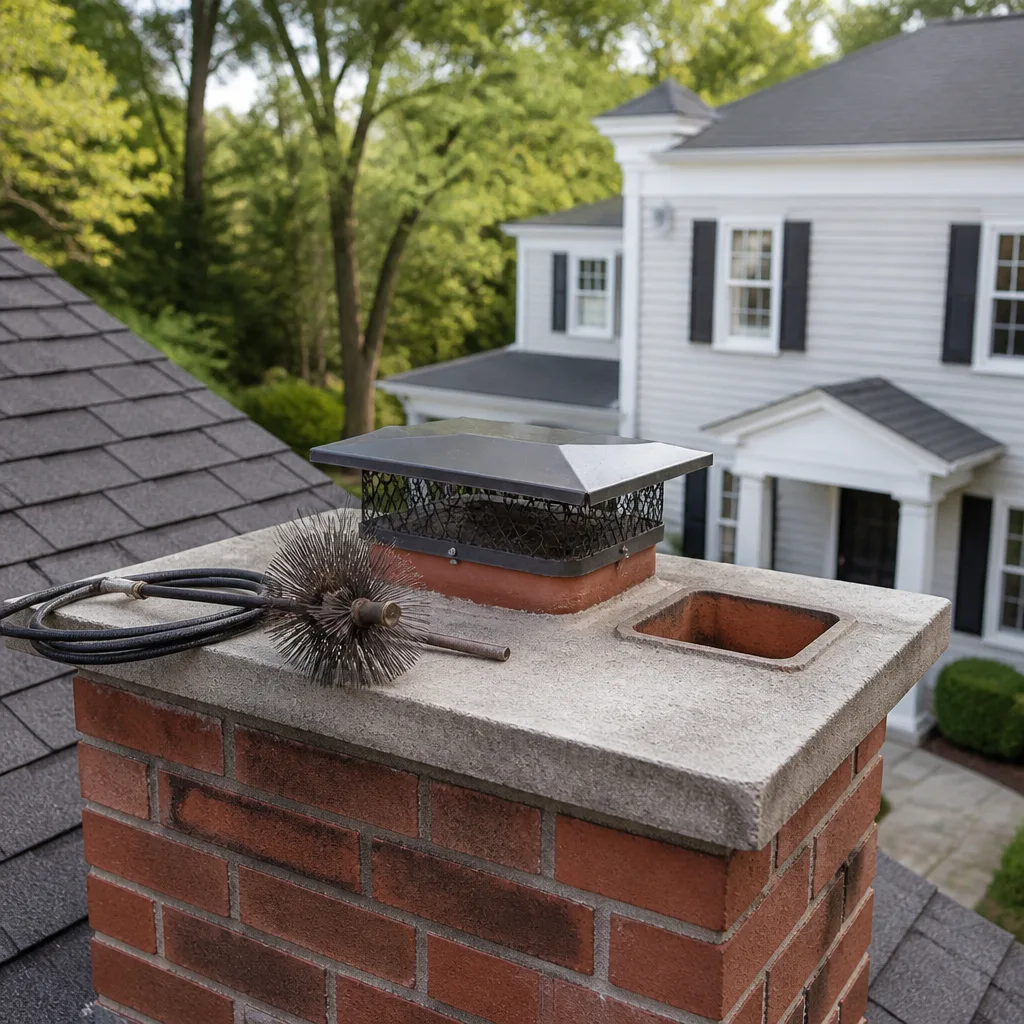 Sweep & inspection
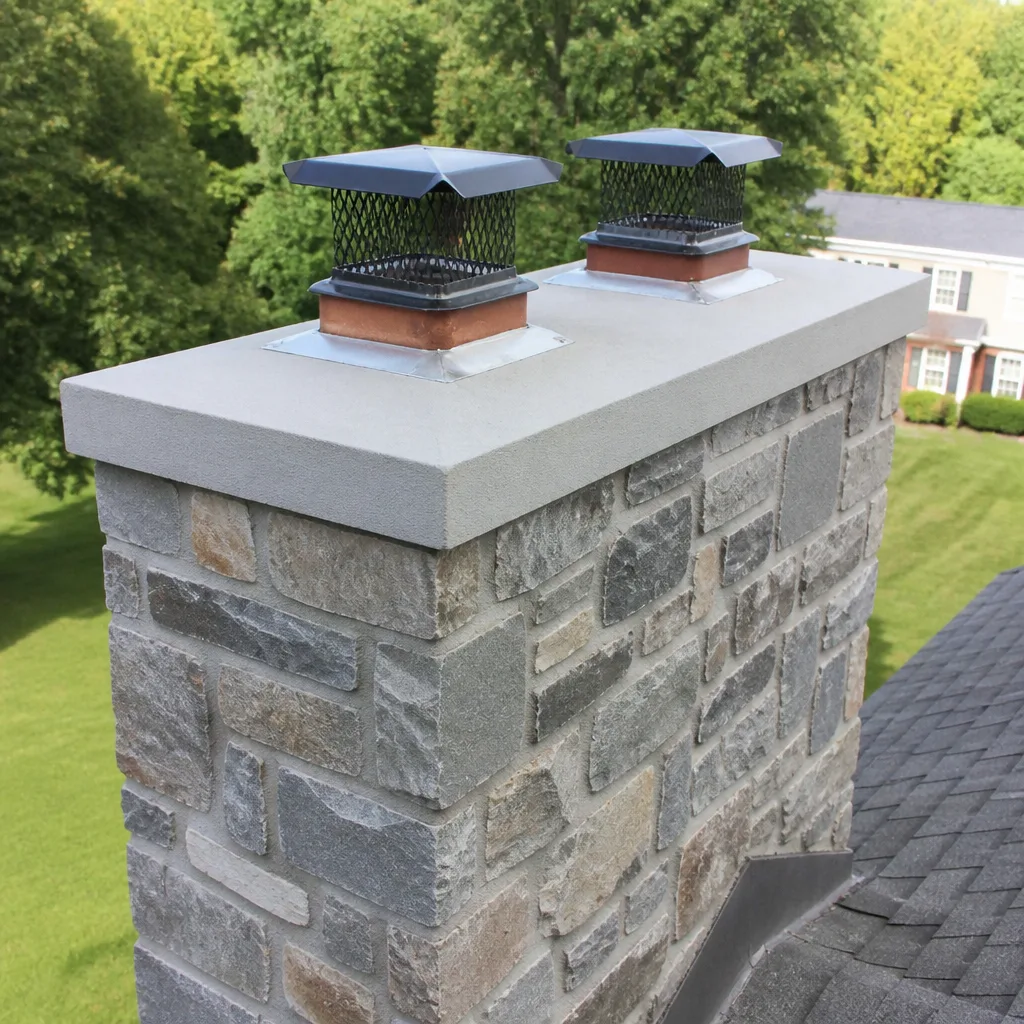 Caps & crowns
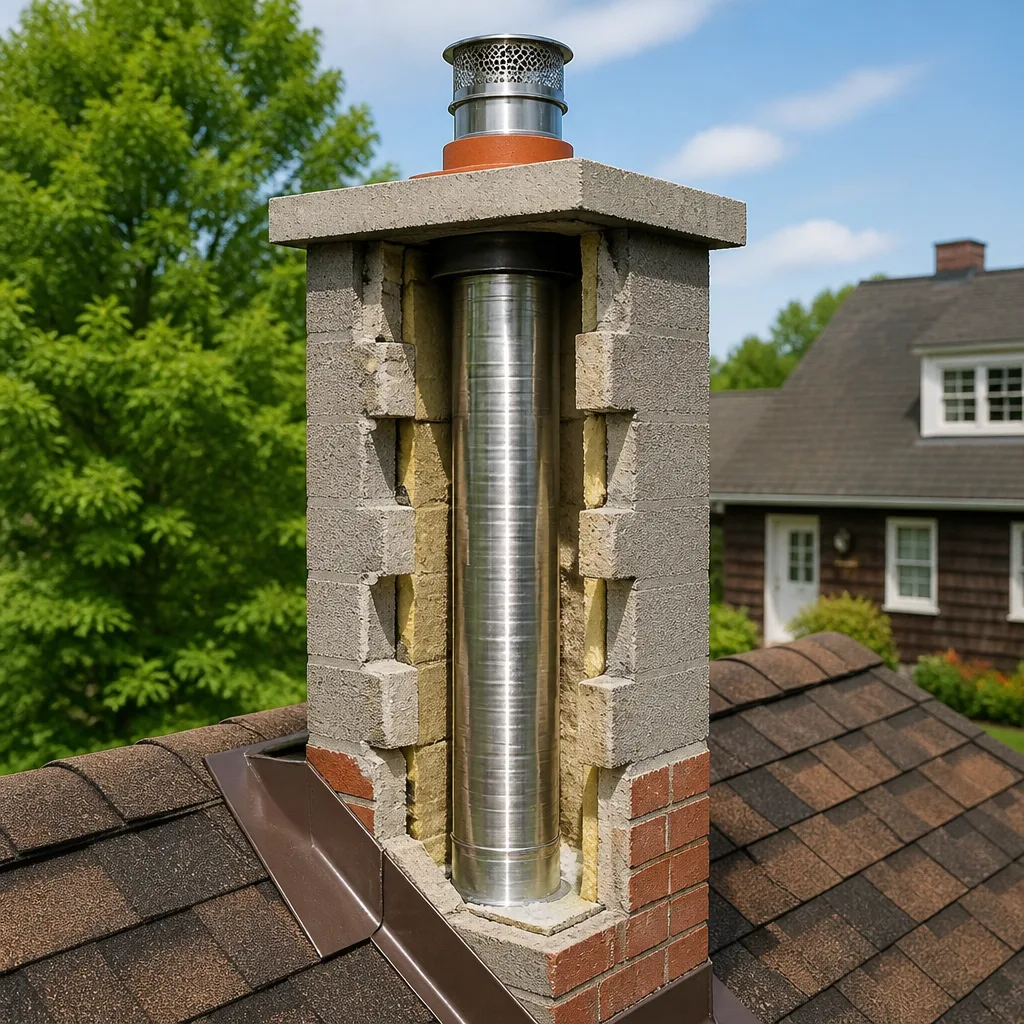 Flue relining
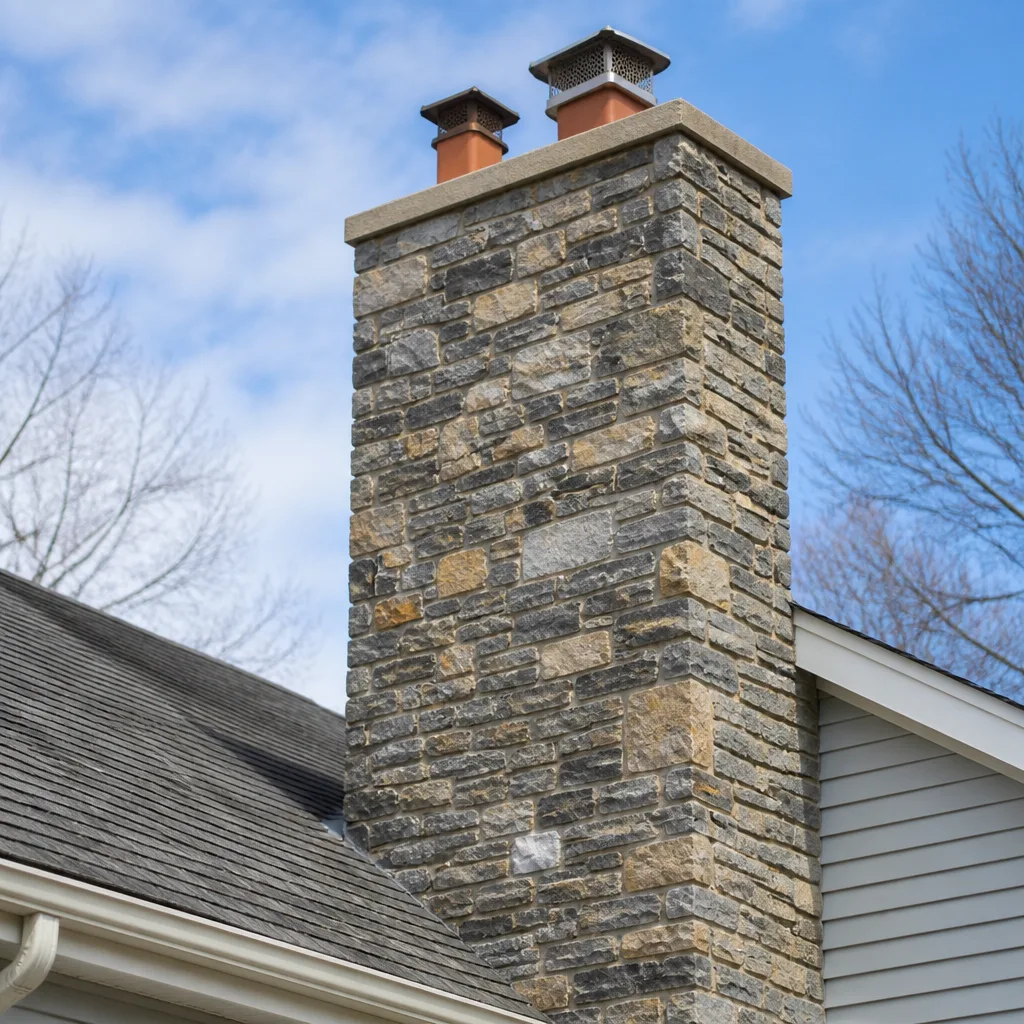 Masonry repair
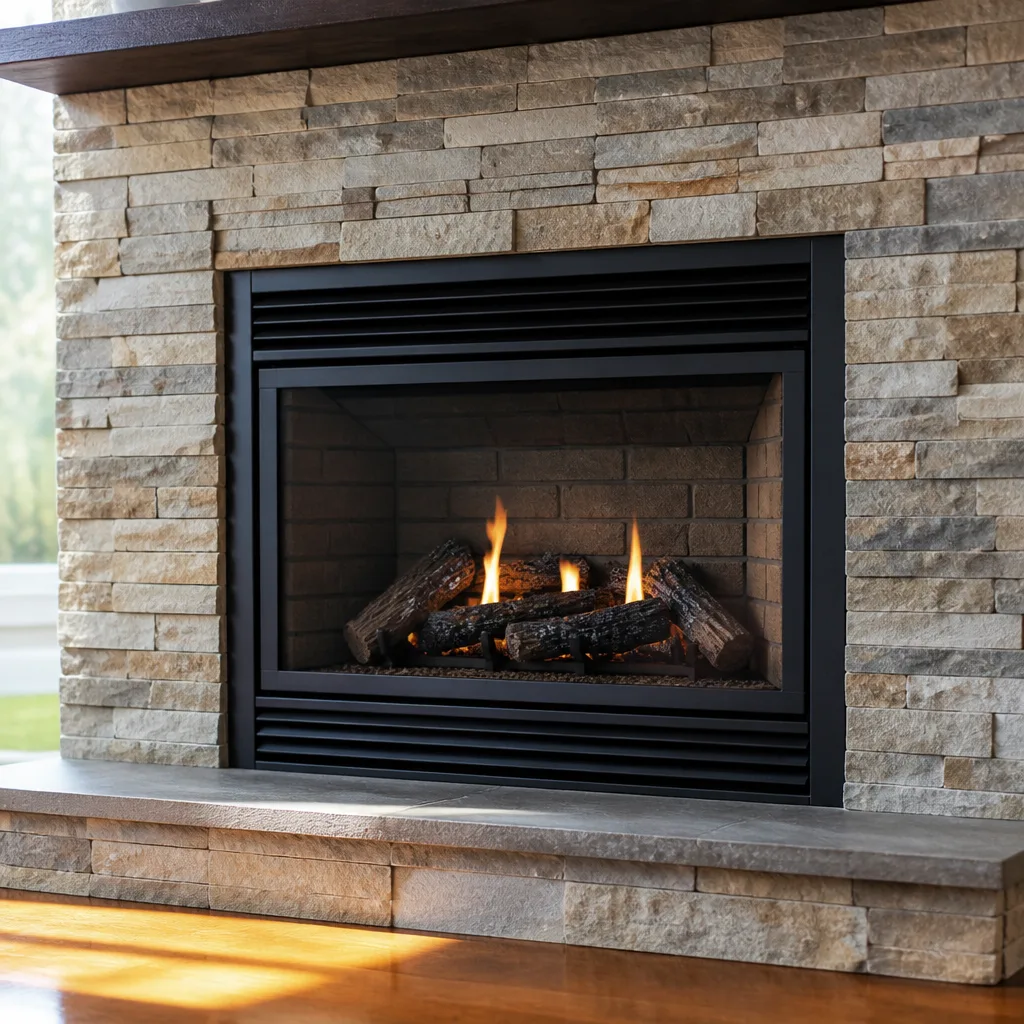 Gas fireplace service
Level 1 sweep and inspection to the NFPA 211 annual standard - flue, crown, cap, and flashing checked and photographed
Chimney sweep logs do not sweep chimneys. They loosen some creosote - which then falls where a brush and vacuum still have to collect it.
How to Hire a Chimney Cleaning Contractor in Raleigh: A Step-by-Step Guide
North Carolina does not license chimney sweeps. There is no state board to check, no exam to pass, no wall certificate a homeowner can verify with a phone call to the capital. That single fact changes how you should hire. In plumbing or electrical work, a license number tells you something. In chimney work around Raleigh, the credential that matters is a voluntary one, and the burden of confirming it sits on you. A contractor with great reviews and a magnetic sign on the truck can still be uninsured, untrained, or working from a certificate that lapsed two years ago.
This guide walks through the vetting process in order: what CSIA certification means, the five questions to ask before anyone climbs onto your roof, how to check insurance that actually protects your home, what a real written report contains, and why the lowest quote on your street is set up to miss something. By the end you’ll know how to tell a professional from a guy with a ladder.
Quick Answer
To hire a chimney cleaning contractor in Raleigh, verify current CSIA certification directly with the Chimney Safety Institute of America, confirm the business carries liability insurance and workers’ compensation, ask for a written scope and a written inspection report with photos, and get a flat price agreed before any work begins. A verbal-only inspection from an unverified contractor gives you false confidence about a system that causes house fires, so the vetting matters as much as the sweep.
Styles & brands we work with
- Sweep & inspection
- Caps & crowns
- Flue relining
- Masonry repair
- Gas fireplace service
Table of Contents
- What Does CSIA Certification Actually Mean, and How Do You Verify It?
- The Five Questions to Ask Before Anyone Gets on Your Roof
- Why the Cheapest Quote Is Structurally Guaranteed to Cut Corners
- How to Check Insurance That Protects You, Not Just the Contractor
- What a Written Inspection Report Should Contain
- How Often Should a Chimney Be Swept in Raleigh?
- Red Flags You Can Spot Before You Book
- A Step-by-Step Hiring Process You Can Follow Today
What Does CSIA Certification Actually Mean, and How Do You Verify It?
CSIA certification means the technician passed a written exam on chimney and venting systems and holds current credentials through the Chimney Safety Institute of America. It is a real credential with continuing education requirements, not a weekend certificate. It is also entirely voluntary. North Carolina doesn’t require it, which is exactly why it tells you something when a contractor has it and has kept it current.
The verification step trips people up. A contractor can print “CSIA certified” on a business card and the customer never checks. Certification lapses when a technician skips renewal, and a lapsed certificate on a truck decal is common enough that you should never take the claim at face value. Go to the CSIA directory yourself and search the technician’s name and company. If the listing is missing or expired, ask why. The answer you get is useful information.
What certification tells you and what it doesn’t:
- It tells you the technician has been tested on venting, combustion, and system design, and has kept up with code changes.
- It tells you the person on your roof understands what a flue liner does and why a crack in it matters.
- It doesn’t tell you anything about insurance. Those are separate checks.
- It doesn’t tell you that the business itself is well run. A certified technician can work for a sloppy outfit.
In our experience, a contractor who has done the work to earn and maintain certification doesn’t get cagey when you ask about it. The ones who bristle at the question are usually the ones with nothing behind it. Around Raleigh, we’ve had plenty of homeowners call us after a sweep from another company left questions unanswered, and that pattern is part of why we put the credential question right up front with every customer.
The Five Questions to Ask Before Anyone Gets on Your Roof
Ask these five questions by phone or before the truck unloads. The answers are as useful as the questions. A professional answers all five without hesitation and without irritation.
- “Can you give me your CSIA technician number so I can verify it?” A real technician hands it over. A refusal, a deflection, or a vague “we’re all certified” is the answer you were looking for, and it’s no.
- “Are you insured for liability and do you carry workers’ compensation?” Follow up by asking for the certificate. If the technician falling off your roof isn’t covered by workers’ comp, some of that exposure can land on you as the property owner.
- “What exactly is included in this price, and what would cost extra?” A flat price for a sweep is a real number. A flat price that turns into a liner charge once the technician is on the roof is not. Get the scope in writing.
- “Will I get a written report with photos?” A verbal “everything looked fine” is not a report. You need something you can keep, and something a future owner or insurer can read.
- “Do you repair what you find, or refer it out?” Sweep-only operators inspect, flag problems, and leave. You’re then hunting for a second contractor and a second opinion. A company that sweeps and repairs can show you the problem and fix it in the same visit.
Disqualifying answers, plainly stated: no verifiable certification, no insurance paperwork, no written scope, verbal-only findings, and a referral chain for anything beyond the sweep. Any two of those and you should keep calling.
Why the Cheapest Quote Is Structurally Guaranteed to Cut Corners
The cheapest quote on your street is almost never cheaper because the contractor is efficient. It’s cheaper because something got left out of the job. Chimney sweeping has a floor cost: time on the roof, equipment, disposal of the soot, and someone competent enough to notice a cracked flue liner while they’re up there. When a quote lands well under everyone else’s, that floor has been cut somewhere.
The corners get cut in a predictable order:
- Inspection depth first. A fast brush-down without a camera inspection isn’t a sweep and an inspection; it’s one and a half jobs billed as two.
- Insurance next. Coverage is a real line item. A one-truck operation without it undercuts every insured competitor by default.
- Then training. Uncertified labor is cheaper than certified labor, and the gap shows up in what gets missed.
- Then materials. Generic patching compound is cheaper than a proper resurfacing material like HeatShield. A stainless liner system from DuraFlex costs more than a commodity substitute, and the difference shows up years later.
- Then the report. Written documentation takes time. A verbal “you’re all set” is free.
Here’s the liability problem with the cheap sweep. You are not buying a cleaning. You are buying an assessment of a fire system. A contractor who cuts the inspection to save time gives you the confident feeling that your chimney is fine when nobody actually verified it. That’s a false sense of safety, and it’s the worst product you can buy for a house with a fireplace. Call (833) 304-2125 for a free estimate, and compare it against the written scope. We answer 24/7. Fast dispatch from 7am to 7pm, Sunday through Friday.
How to Check Insurance That Protects You, Not Just the Contractor
Insurance is the check most homeowners skip, and it’s the one that protects your house rather than the contractor’s business. Two coverage types matter: general liability, which covers damage to your home from the work, and workers’ compensation, which covers the technician if they get hurt on your property. Ask for a certificate of insurance for both and actually read it.
What to look for on the certificate:
- The named insured matches the company on the quote. A policy under a different business name than the one you hired is a warning sign.
- The policy is currently in force. Certificates have expiration dates. An expired certificate is not coverage.
- Workers’ compensation is listed, not just general liability. Roof work is fall work. If the crew on your roof isn’t covered, the question of who pays for an injury can come back to you.
- Coverage limits are real numbers, not blanks. Ask the contractor to explain them in plain terms rather than guessing.
A quick verification call to the insurer costs nothing and takes five minutes. Most homeowners who get burned by an uninsured contractor find out only after the damage is done. In Raleigh, roof work happens on a lot of older homes with steep pitches and tight access, which raises the stakes on that coverage question. It’s the difference between a contractor carrying the risk and you carrying it for them.
What a Written Inspection Report Should Contain
A written inspection report is the product you keep after the sweep, and it should stand on its own six months later. If a contractor can’t hand you one, you have no record of the condition of your chimney at any point in time. That matters if you sell the house, if your insurer asks, or if a problem shows up later and you need to know whether it was there before.
A useful report includes:
- The date and the name of the technician who did the work. Not just the company.
- The scope performed. Sweep, inspection, or both, and what was actually accessed. A flue the technician couldn’t see into should be noted, not glossed over.
- Photos of the flue interior and the firebox. This is the evidence. If a contractor recommends work, you should be able to see what they saw.
- Condition findings stated plainly. Liner condition, creosote levels, the firebox, the damper, the cap, and the exterior above the roofline.
- Recommendations separated from urgency. What needs attention now versus what can safely wait. A report that recommends everything immediately with no distinction isn’t a report; it’s a sales script.
- A clear next step and a price, in writing.
Verbal-only findings are a red flag because there’s nothing to check them against. If the technician tells you the liner is cracked and hands you a four-figure quote, ask to see the photo. Honest contractors want to show you. If the answer is “you’ll have to trust me,” you already know what you’re dealing with.
How Often Should a Chimney Be Swept in Raleigh?
Most chimneys used regularly need sweeping once a year, and a fireplace that gets a lot of use may need it more often. The official guidance from the trade is based on creosote accumulation: sweep when the deposit reaches about a quarter inch, or annually as a baseline. A chimney used a few times a season still needs an annual inspection even if the sweep itself turns out to be unnecessary.
Raleigh has a few local factors that push toward the annual check rather than skipping a year:
- The shoulder seasons are long here. Warm spells in fall and early spring mean fires get built, burned low, and left to smolder, which is exactly the condition that deposits creosote.
- Older housing stock. Plenty of Raleigh homes have chimneys that predate modern construction standards. An annual inspection is the way you find out what the liner and firebox are actually doing.
- Wood selection. Seasoned hardwood burns cleaner than green wood. If you’re burning what’s available on short notice, deposits build faster.
- Year-round residents. A chimney that sits unused for two seasons can collect nesting material, debris, and moisture, and the first fire of the season needs a clean flue.
The annual sweep is also the cheapest insurance against a chimney fire. Creosote is combustible. The bigger the deposit, the hotter it burns when it ignites, and a glazed layer is the hardest stage to remove. Sweeping before it builds up is a maintenance cost. Letting it build up is how a burned-out flue happens.
Red Flags You Can Spot Before You Book
Some of the vetting happens before you pick up the phone. Here’s what to watch for during the booking conversation and the visit itself:
- No written estimate before work. A flat price should be agreed before the technician starts, not after.
- Pressure to commit to repairs on the first visit. A chimney problem that needs fixing today should still come with a written report and a photo. Wanting to book the repair is fine. Pushing a four-figure job with no evidence is not.
- A quote that’s dramatically lower than the others. See the section above. The gap comes out of something.
- “We don’t do repairs, but I know a guy.” A referral chain means no one is accountable for the whole system.
- No CSIA credential you can verify. Not a logo, not a sticker. A name and number you can check.
- No written inspection report after the sweep. Verbal findings only.
- Vague answers about what the sweep included. A real answer names what was cleaned, inspected, and photographed.
None of these are proof of a bad contractor by themselves. But the pattern matters. A business that hits two or three of these on the first call is telling you how it operates.
A Step-by-Step Hiring Process You Can Follow Today
Here is the whole process in order, from the first search to the completed job:
- Search for a contractor that does both sweeping and repair. A company that can find a problem and fix it means one call, one account, one business responsible for the result.
- Verify CSIA certification on the CSIA directory. Search the technician by name, not the company. Confirm the listing is current.
- Ask for the certificate of insurance. General liability plus workers’ compensation, with the named insured matching the business on the quote.
- Ask for a written scope and flat price. Confirm what’s included and what would cost more before anyone is on the roof.
- Ask what brand of materials the contractor uses for repairs. A professional shop names its suppliers: DuraFlex for flexible liners, HeatShield for flue resurfacing, Gelco or Olympia Chimney for other components. A generic answer here is a real signal.
- Book the sweep and inspection. Confirm the technician will do both, and that a camera inspection is part of it.
- Review the written report and photos. Read the condition findings, compare them to the photos, and ask about anything that doesn’t line up.
- Decide on repairs after the evidence is in front of you. Nothing should be booked until you’ve seen what the technician saw.
The fifth step is the one most homeowners skip, and it’s the one that separates a company that sweeps from one that repairs. A contractor resurfacing a damaged flue with HeatShield and one slapping generic compound into the same crack are doing different jobs at the same address. A flexible liner system like DuraFlex lets a technician line a chimney with bends or a flue that won’t accept a rigid liner. Ask about the materials. The answer tells you which kind of contractor you’ve got.
Common Mistakes to Avoid
- Booking on price alone. The cheapest quote usually has the most corners cut, beginning with the inspection. A cheaper job that misses a flue problem isn’t cheaper.
- Taking “CSIA certified” on the business card at face value. Look the technician up on the CSIA directory yourself. Expired credentials show up on truck decals all the time.
- Skipping the insurance check. Ask for the certificate and read the dates. An expired certificate is not coverage, and a fall on your roof can become your problem.
- Accepting a verbal-only inspection. If there’s no written report and no photos, you have no record of the condition of your chimney. That’s a liability the day the house sells or a problem surfaces.
- Hiring a sweep-only operator and expecting repairs to follow. They’ll flag the problem and hand you a name. You’re then coordinating two contractors for one system.
- Ignoring the dryer vent. The chimney and the dryer vent are the two places in a typical Raleigh home where lint and creosote can build up unseen. A single crew that handles both closes both gaps in one visit.
- Skipping the annual check because the fireplace “seems fine.” A chimney that drafts well can still have a cracked liner or a glazed creosote layer you can’t see from the hearth.
- Booking a repair before seeing the evidence. If a photo isn’t on the table, the repair recommendation is a hypothesis, not a finding.
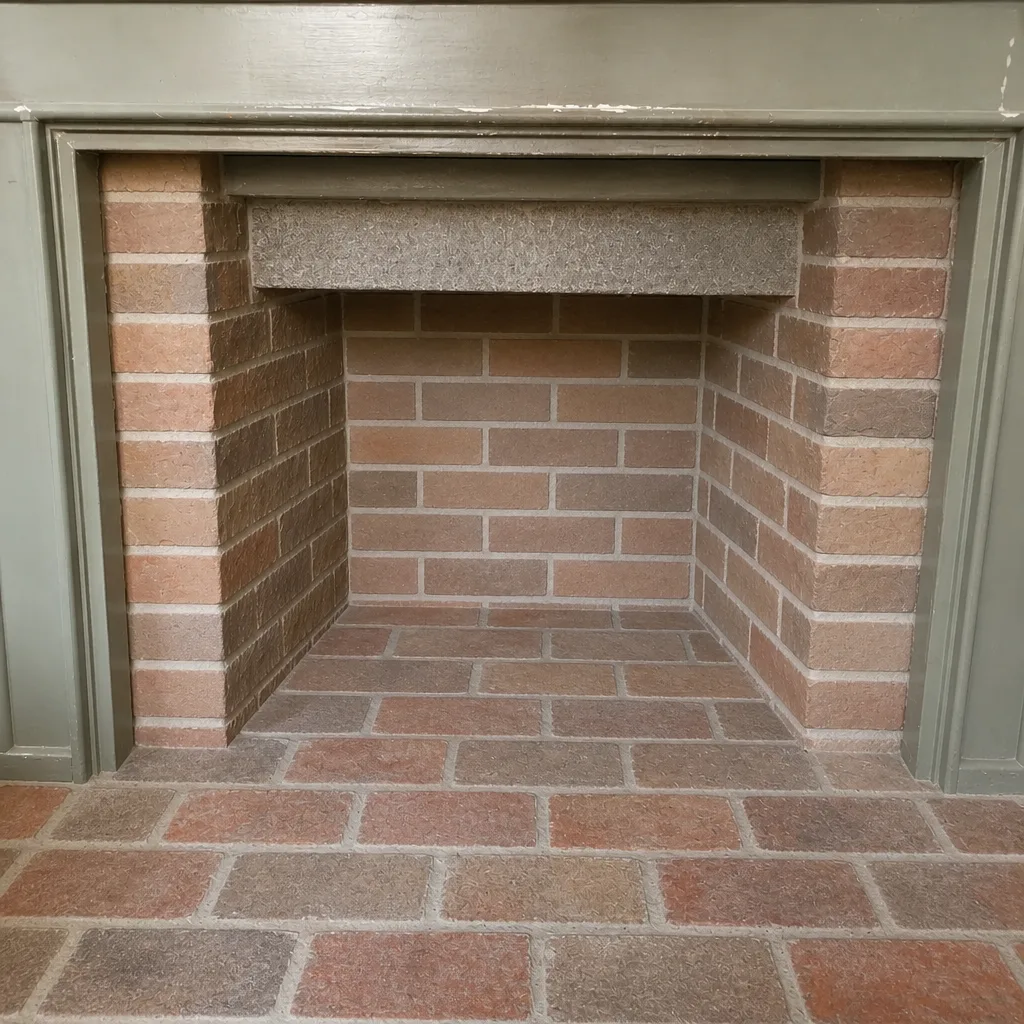
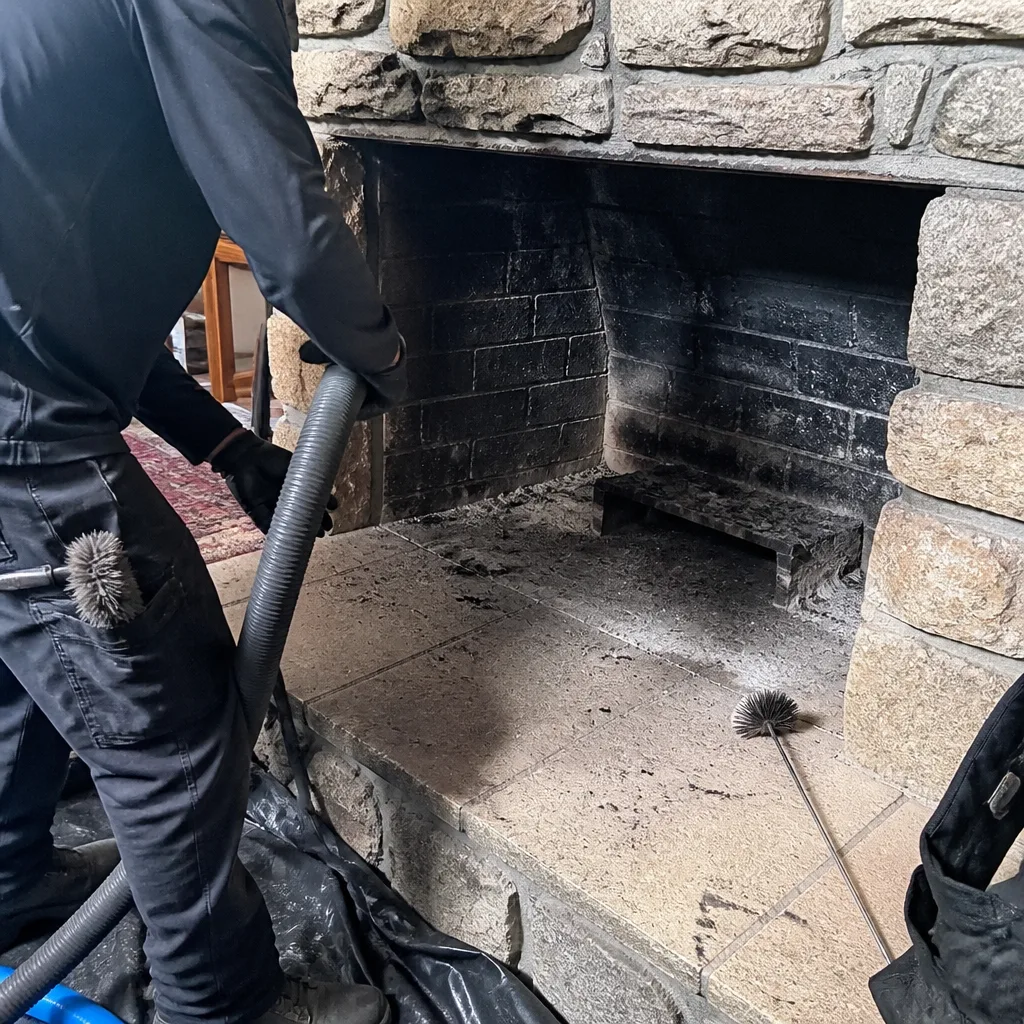
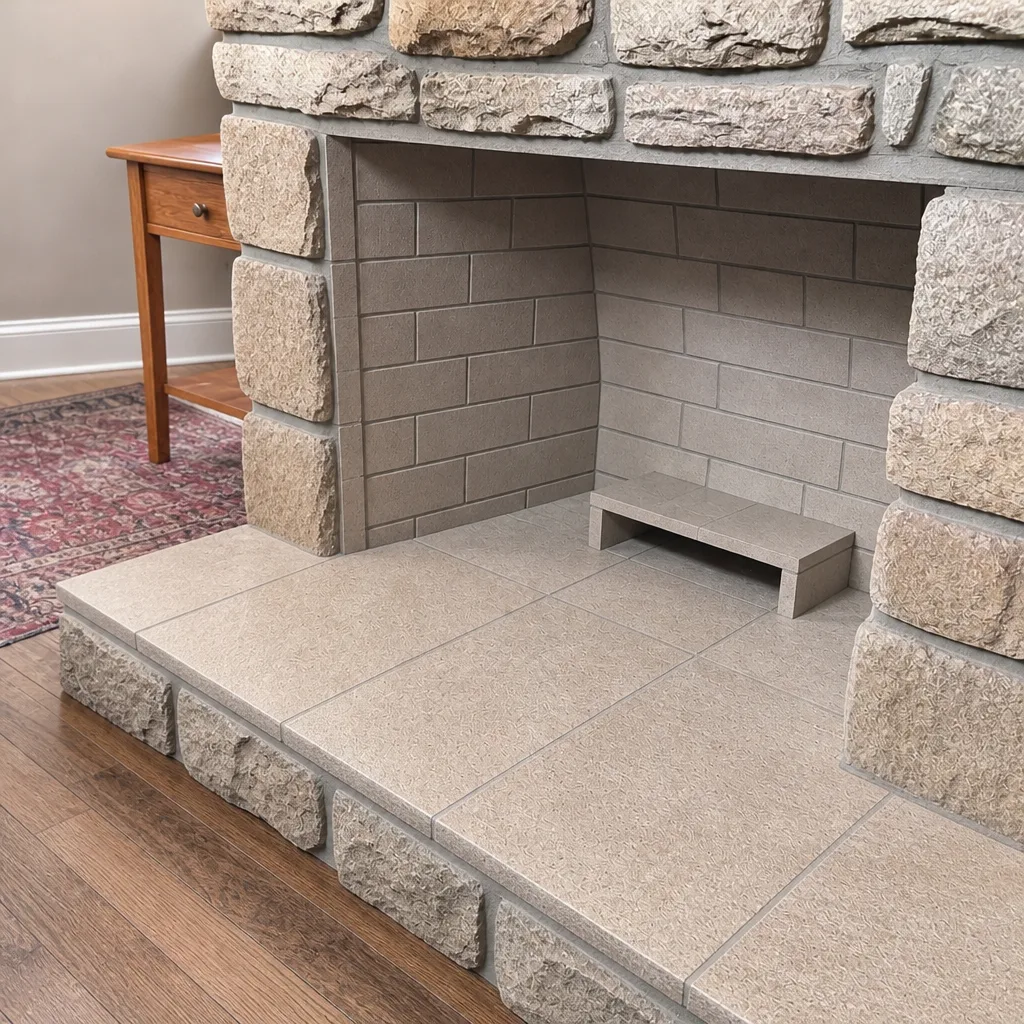
See the difference
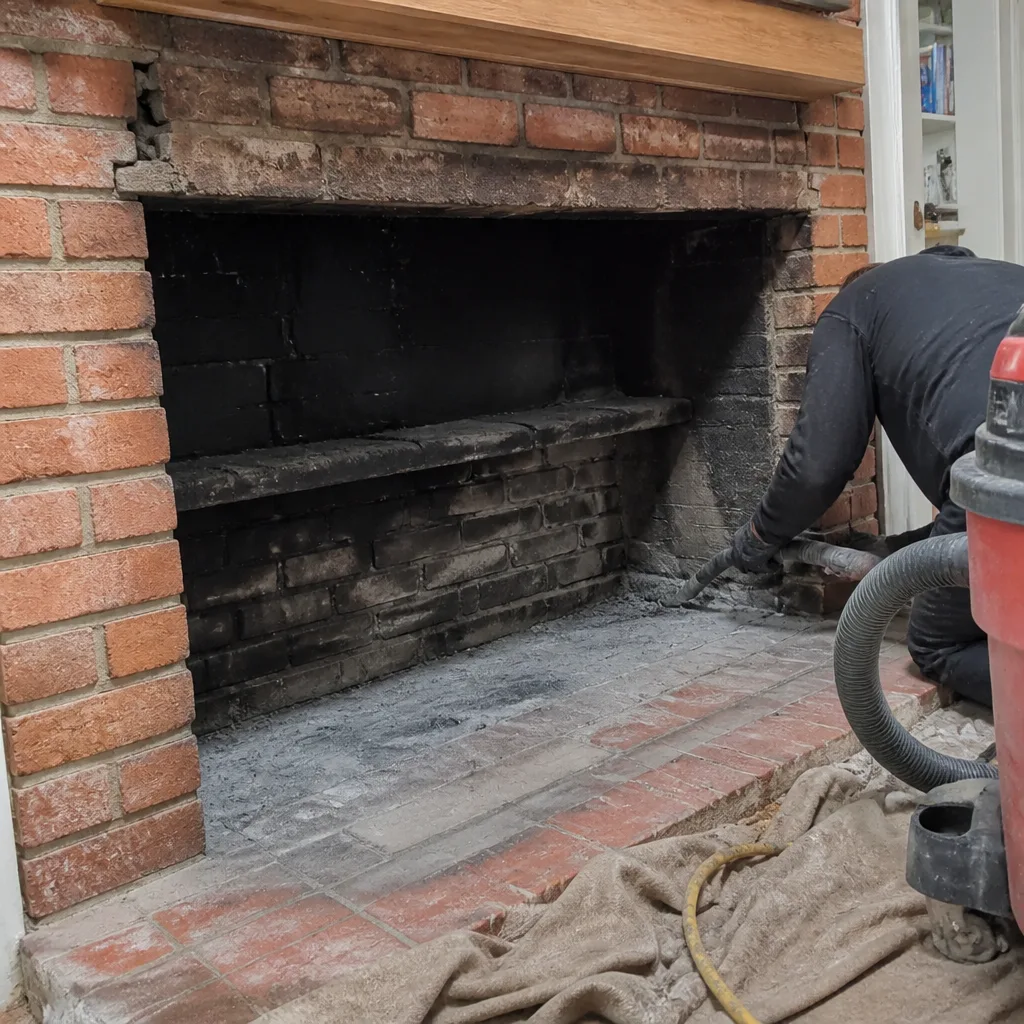 Before
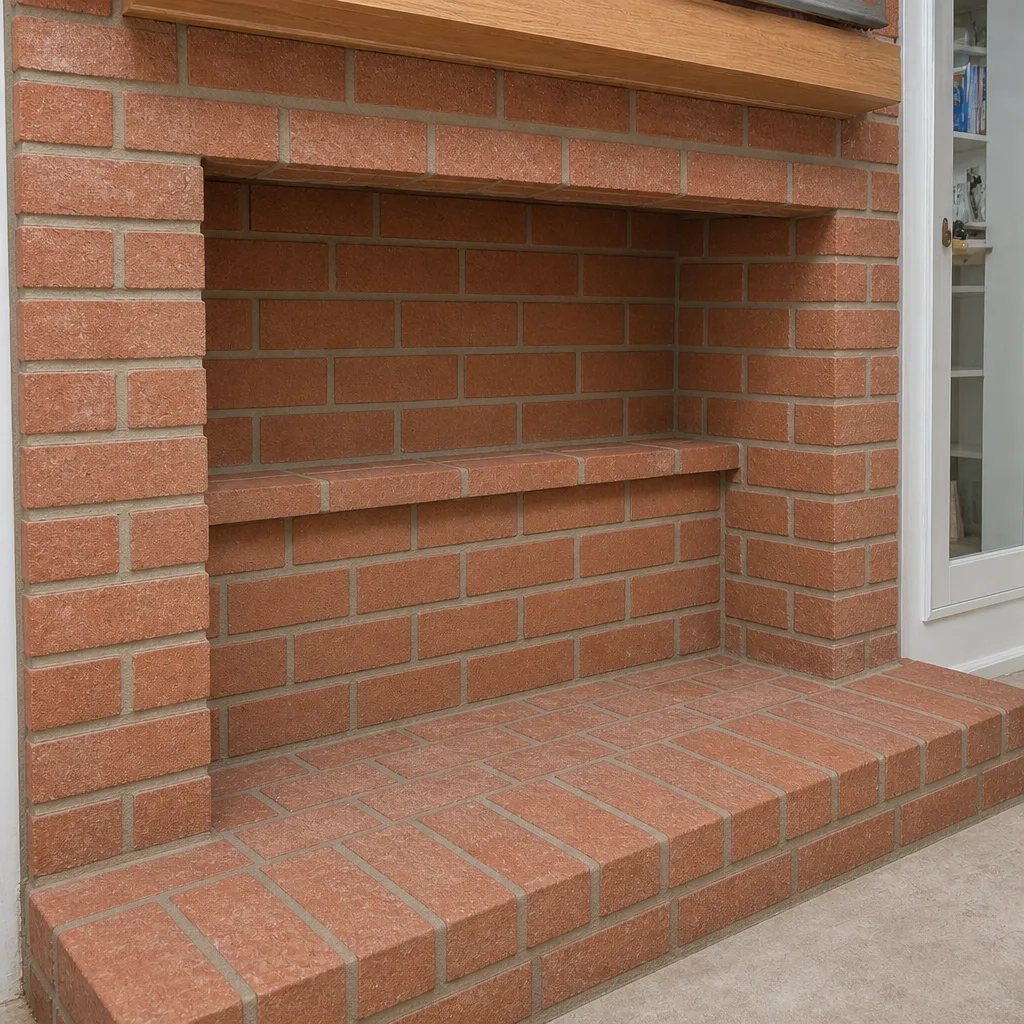 After
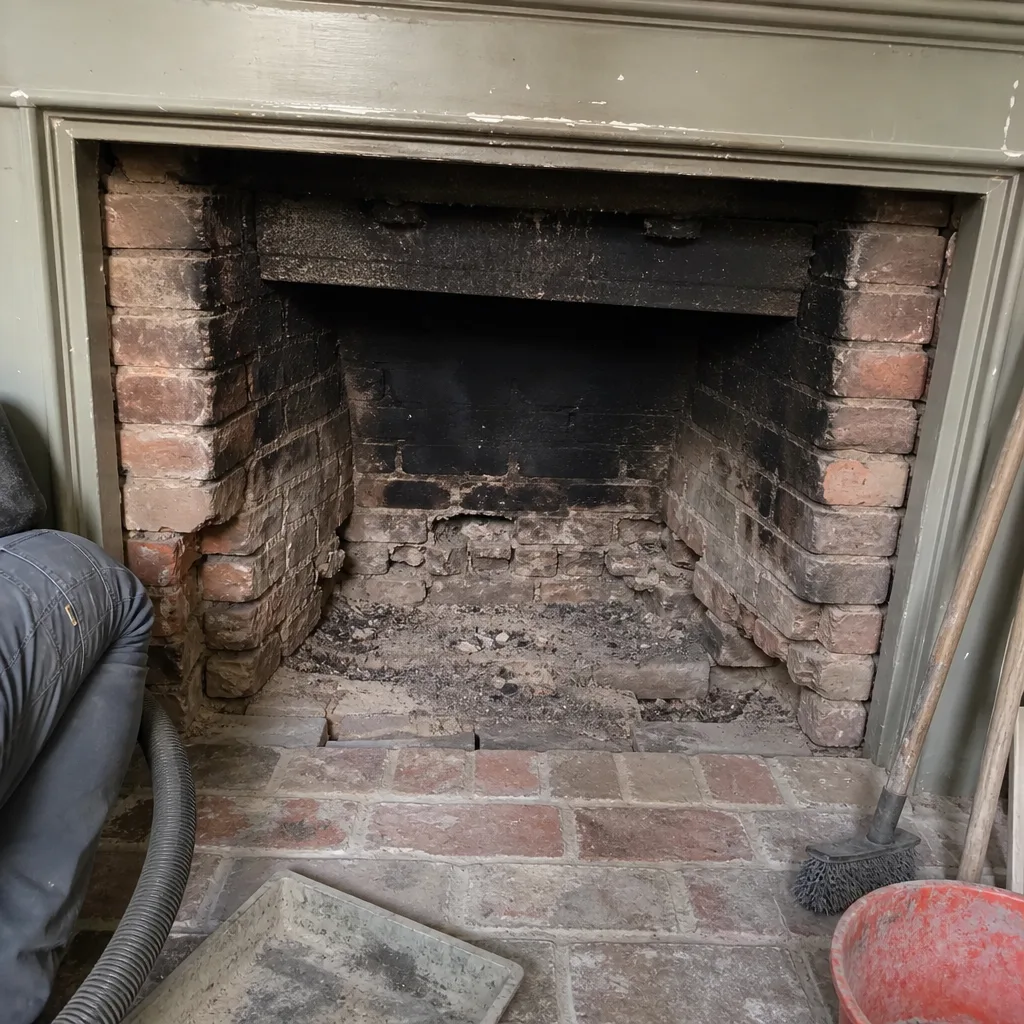 Before
 After
 Before
 After
When to Call a Professional
Call a professional when you’re buying a home with a fireplace and want the chimney documented before closing, when you’ve had a chimney fire or a hunting draft, when the smoke comes into the room instead of up the flue, when the firebox or damper is visibly damaged, or when it’s simply been a year since the last inspection. Call when the chimney sits on an older home and you don’t know its history. And call when you can’t tell whether the work you were quoted is necessary, because that’s exactly the moment a second look with a camera and a written report is worth having.
Raleigh Chimney Cleaning offers free estimates in Raleigh, gives a flat price agreed before the job, and puts the findings and photos in your hands so the decision is yours. Call (833) 304-2125. We answer 24/7. Fast dispatch from 7am to 7pm, Sunday through Friday.
Frequently Asked Questions
A standard chimney sweep in Raleigh is typically priced per job by a written estimate, and the price depends on the flue configuration, the accessibility of the roof, and how much creosote needs removing. The number to insist on is a flat price agreed before work begins and written down, not a range that grows once the technician is on the roof. Call (833) 304-2125 for a free estimate; the written estimate sets the final price.
Yes, an annual inspection is the baseline for any chimney in use, and the sweep is booked based on what the inspection finds. Creosote builds at a rate that depends on how you burn, what you burn, and how often; the trade guidance is to sweep when the deposit reaches about a quarter inch. A chimney that gets heavy use may need more than one sweep a year. Call (833) 304-2125 to book a sweep and inspection in Raleigh.
Creosote stays in the flue, hardens, becomes harder to remove, and is combustible when it ignites. A cracked liner can also go unnoticed, which means combustion gases and heat can reach building materials that were never designed for it. None of that is a reason to panic over one quiet season, but the risk climbs with every year you put it off. Call (833) 304-2125 for a free estimate and a written report.
Not always, and you should never decide based on a verbal recommendation alone. A flue liner can sometimes be resurfaced with HeatShield ceramic material instead of fully replaced, and a chimney with bends or an irregular flue may be able to take a flexible DuraFlex stainless liner. Which option fits depends on what the camera shows. Ask to see the photos, then decide. Call (833) 304-2125 with your report and we’ll walk through the options.
Yes, a full-service chimney and venting company can clean the dryer vent in the same visit as the chimney sweep. The two systems are the main hidden fire hazards in a typical home, and handling both in one appointment means one company accounts for both. Call (833) 304-2125 to add dryer vent cleaning to a sweep, or book it on its own.
Yes. CSIA certification is the only credential in the trade you can actually verify because it’s voluntary and tracked, and a current listing means the technician passed the exam and kept the credential up. North Carolina doesn’t license chimney sweeps, so it’s the check that does the work. Call (833) 304-2125 for a free estimate.
A standard sweep with inspection usually takes an hour to an hour and a half, depending on the flue, the amount of creosote, and roof access. A crew working a steep Raleigh roof pitch may need more time than a flat one. The written estimate is the place to confirm scope and timing. Call (833) 304-2125 to book.
Then book an inspection before you next light a fire, and don’t worry about the gap itself. The inspection is how you find out whether the flue and firebox are in condition to use, and what needs doing. Call (833) 304-2125 for a free estimate in Raleigh.
The Bottom Line
Hiring a chimney contractor in Raleigh comes down to a handful of checks that most people skip. Verify the CSIA certification yourself. Ask for the certificate of insurance and read it. Insist on a flat price and a written scope before the job, and a written report with photos after it. Ask what brand of materials the contractor uses, because that answer separates a repair shop from a sweep-only operator. The cheapest quote is the one most likely to leave something out, and what gets left out first is the inspection that tells you whether your house is safe to heat. Which brings it back to the thesis: the wrong contractor doesn’t waste your money so much as give you confidence you haven’t earned. That’s a chimney you’re hiring someone to assess, and it’s worth vetting properly before anyone gets on the roof.
Call (833) 304-2125 for a free estimate. We answer 24/7. Fast dispatch from 7am to 7pm, Sunday through Friday.
Written by the team at Raleigh Chimney Cleaning, serving Raleigh since 2013.