
Last updated November 14, 2026
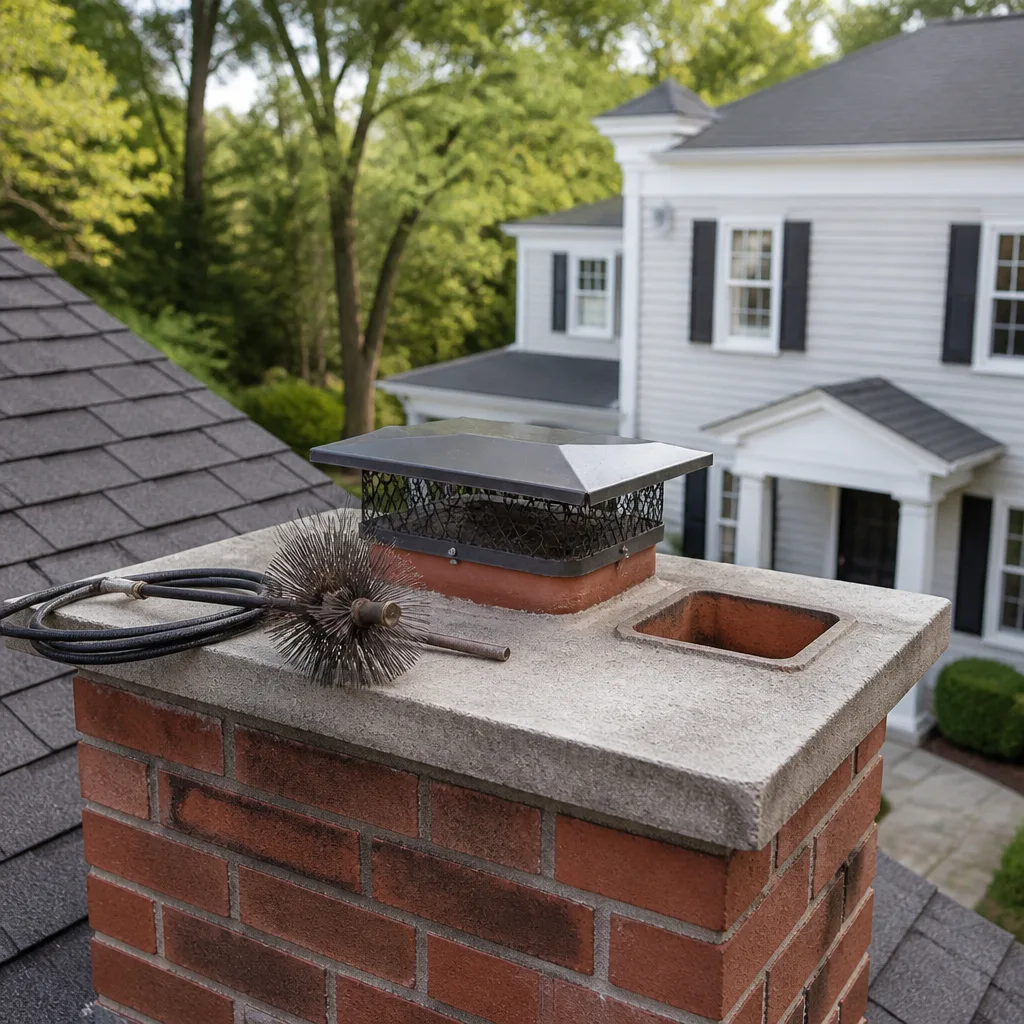 Sweep & inspection
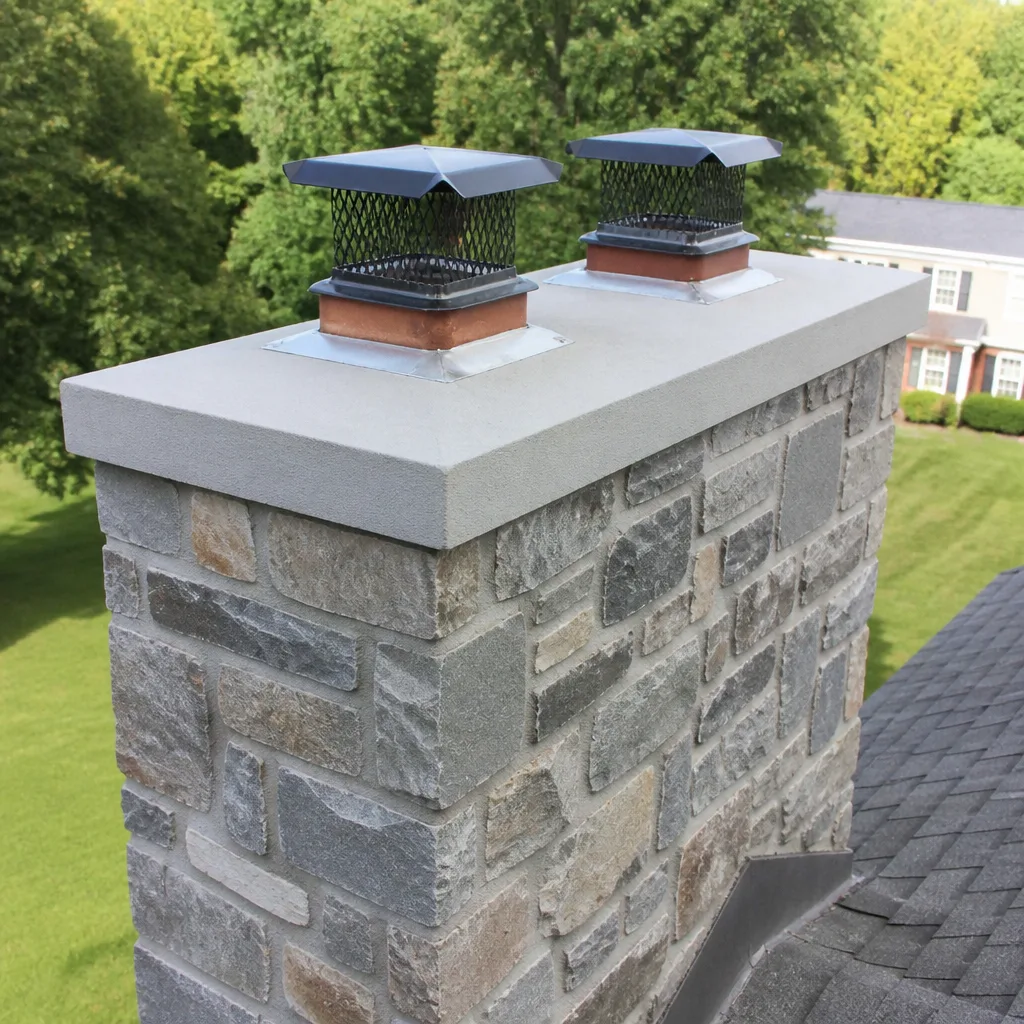 Caps & crowns
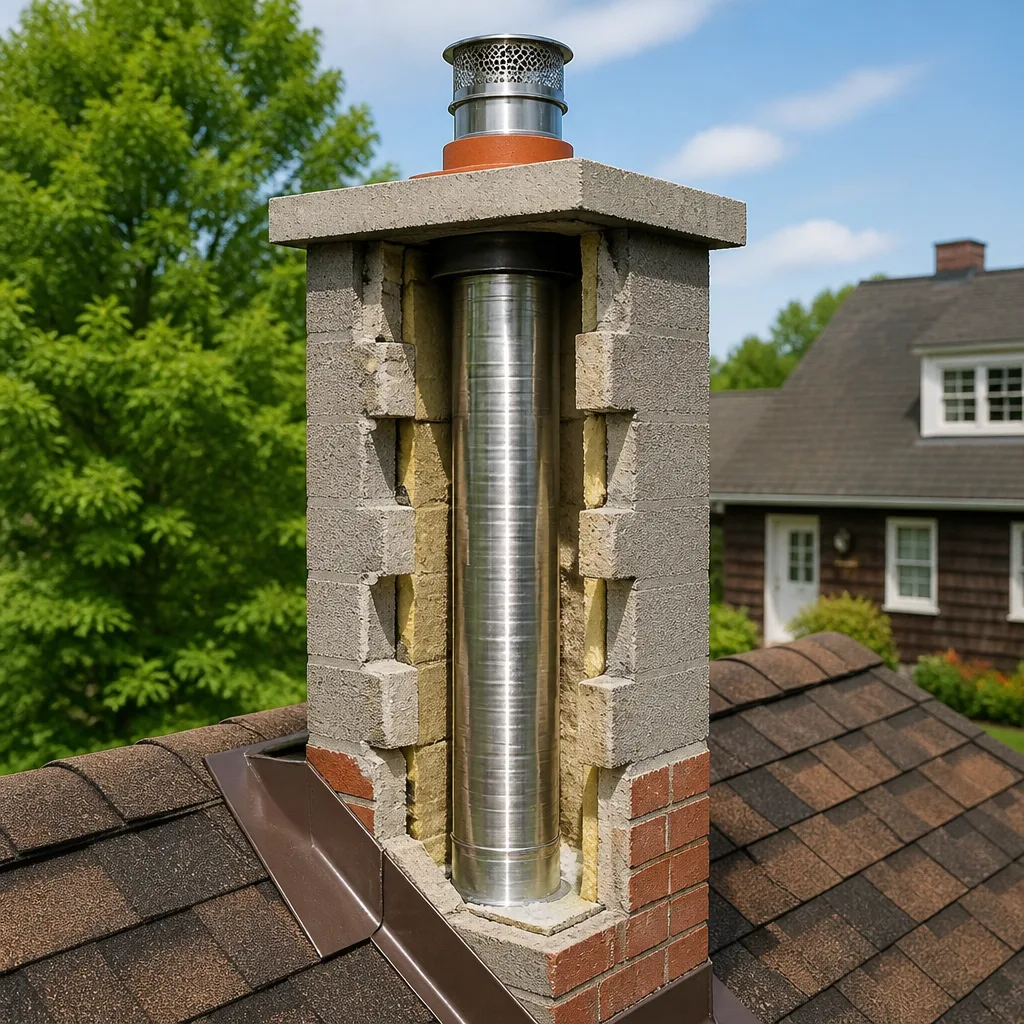 Flue relining
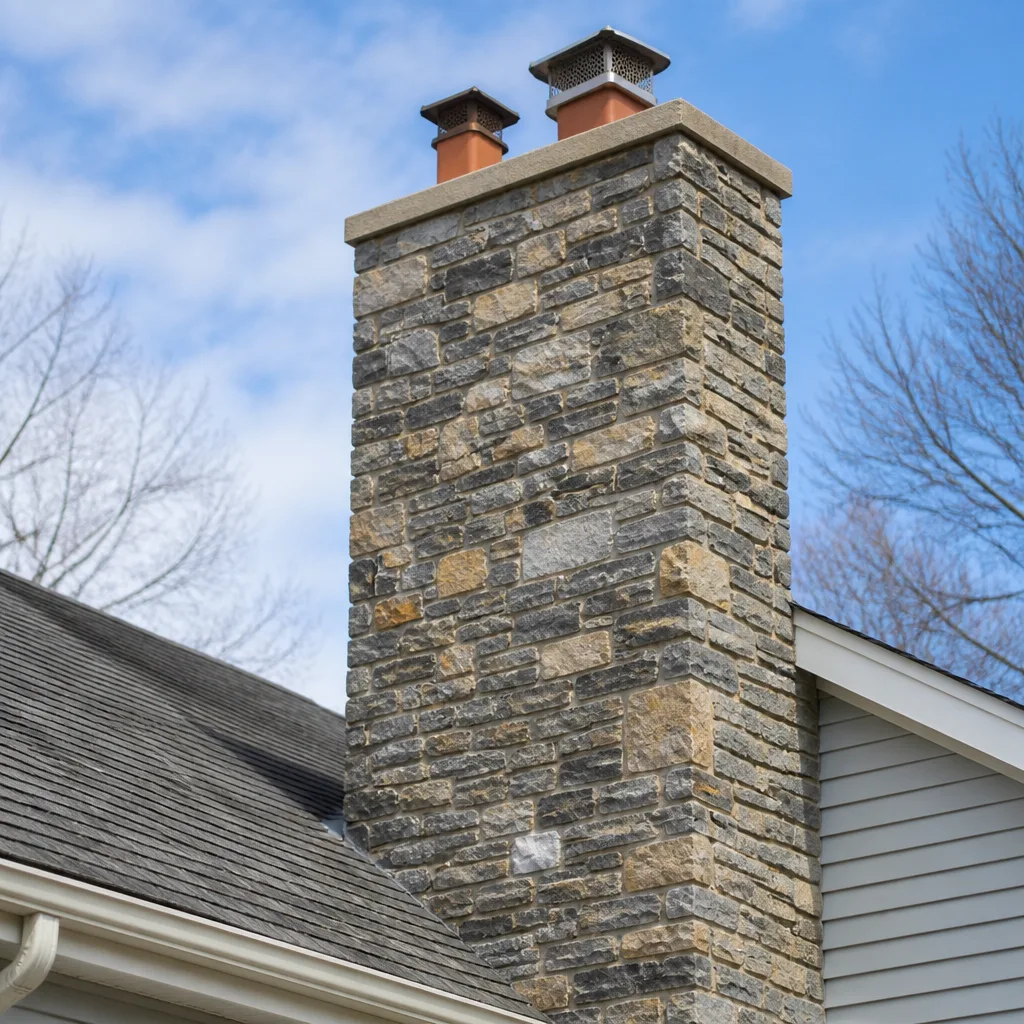 Masonry repair
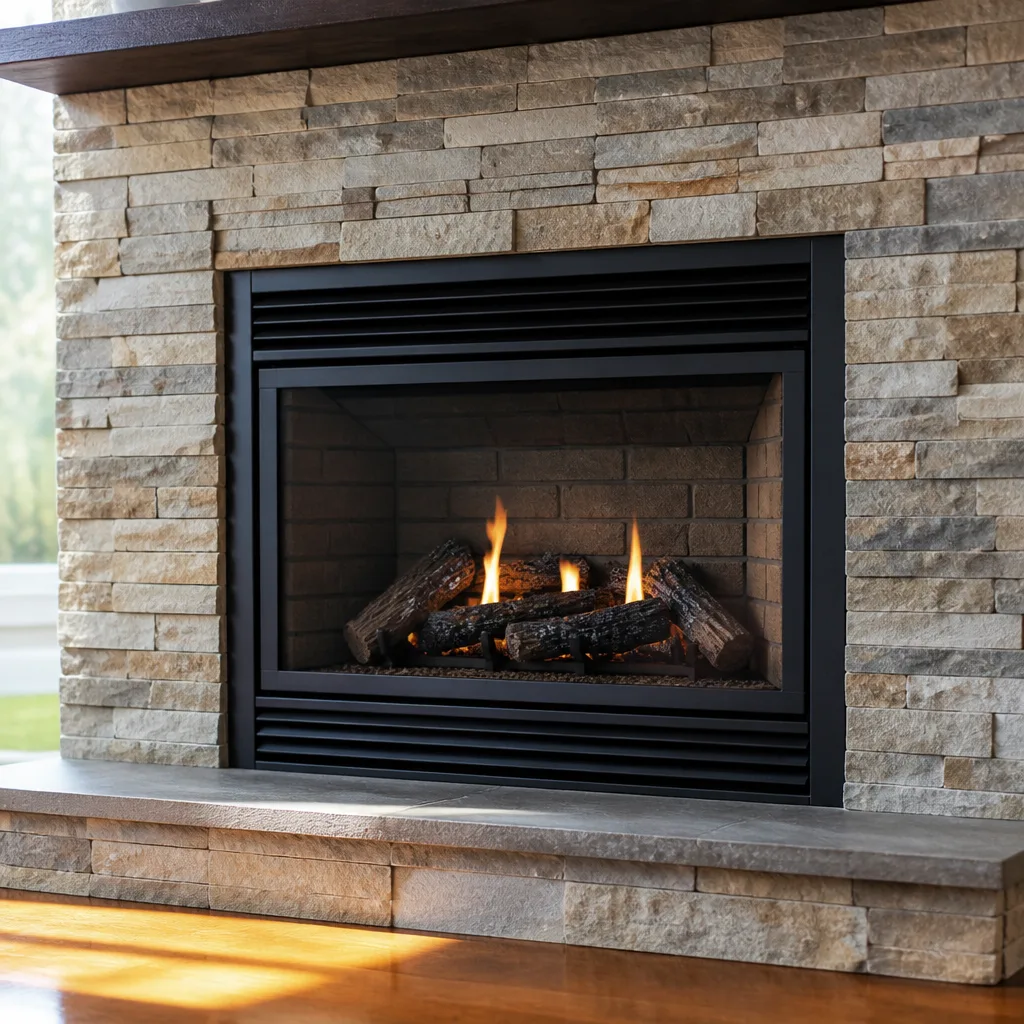 Gas fireplace service
Level 1 sweep and inspection to the NFPA 211 annual standard - flue, crown, cap, and flashing checked and photographed
Chimney sweep logs do not sweep chimneys. They loosen some creosote - which then falls where a brush and vacuum still have to collect it.
Seasonal Chimney Cleaning Care for Raleigh: Year-Round Homeowner’s Guide
Most homeowners in Raleigh think about the chimney twice a year: once when the first cold snap hits and once when they’re sweeping up ashes in January. That’s backwards. The months that actually age a chimney here are the warm, wet ones, when nobody’s paying attention. Between April and October, Raleigh’s humidity and its sharp temperature swings work on mortar joints, crown sealant, and flue tiles in ways that winter never does. By the time you light the first fire of the season, the damage is often already done. This guide walks through what happens to a chimney across a Raleigh year, what to do in each season, and when to bring in a professional. You’ll learn why late summer beats fall for scheduling, why leaf debris and nesting animals clog Triangle flues every autumn, and how to prep for the occasional ice storm without the heavy winterization a colder climate demands.
Quick Answer
The best time to schedule chimney cleaning and inspection in Raleigh is late summer, before the fall rush and before debris and nesting animals settle into the flue. Year-round care means checking the cap and crown in spring, watching for moisture damage through the humid months, keeping the flue clear of fall leaf litter, and doing a professional sweep and inspection before you start burning again. Raleigh’s shoulder seasons do more wear to masonry than the burning season itself, so off-season attention is the highest-value maintenance you can give a chimney.
Styles & brands we work with
- Sweep & inspection
- Caps & crowns
- Flue relining
- Masonry repair
- Gas fireplace service
Table of Contents
- Why Raleigh’s Shoulder Seasons Are Harder on Chimneys Than Winter
- Spring: The Tasks That Prevent Summer Damage
- Summer: What Humidity and Heat Do to Mortar and Crown
- Why Late Summer Beats Fall for Scheduling Your Chimney Sweep
- Fall: Leaf Debris, Nesting Animals, and Flue Blockages in the Triangle
- Winter: Preparing for Raleigh’s Occasional Ice Storms
- What a Year-Round Sweep and Inspection Actually Involves
- Your Raleigh Chimney Care Calendar
Why Raleigh’s Shoulder Seasons Are Harder on Chimneys Than Winter
Here’s the counterintuitive part. A Raleigh winter is mild enough that the freeze-thaw cycle rarely punishes masonry the way it does up north. What does the damage is the warm, wet stretch on either side of it. In spring and fall, Raleigh swings between humid days in the seventies and cool nights that drop into the forties. Every one of those swings pulls moisture into the masonry and then pushes it back out. Mortar is porous. When it takes on water and then dries repeatedly, it weakens, cracks, and eventually crumbles. The crown, the concrete cap that sheds water away from the flue, takes the same beating and then lets water run straight down into the chimney.
Compare that to January. Your chimney is cold and dry, and if you’re burning regularly, the heat and draft help keep the flue dry. The burning season is when the chimney is doing its job. The shoulder seasons are when it’s most exposed and least watched.
Add Raleigh’s humidity to the picture. Summer air here holds a lot of moisture, and a chimney that sits unused from April to October is a moisture-collection system. That’s the core reason off-season care matters more than the midwinter sweep most people remember to book.
Two conditions drive nearly all of the warm-season wear:
- Repeated wet-dry cycling. The spring and fall temperature swings open small cracks, water enters, and the next warm day pulls it back out. Each cycle widens the gaps in mortar joints and crown sealant.
- Long idle periods. An unused flue with a failing cap or a hairline crack in the crown has all summer to soak up moisture and none of the drying heat a working chimney gets in winter.
Understanding that rhythm is the whole game. If you take care of the chimney in spring, watch it through summer, and clear it in fall, the burning season takes care of itself. For a broader overview of what our full service covers, see Raleigh Chimney Cleaning.
Spring: The Tasks That Prevent Summer Damage
Spring is when you close out the burning season and set the chimney up to survive the wet months. The work you do in April and May directly reduces what compounds through summer. Once the last fire burns down and the ashes are cold, walk through these steps. A trained technician can handle the ones that involve the flue and roof, but several are things you can check yourself from the ground.
- Book a post-season sweep and inspection. A spring sweep clears the creosote and soot the winter left behind, and an inspection catches cracks and loose mortar before summer moisture finds them. This is when you want problems flagged, not in October.
- Look at the cap from the ground. A chimney cap that looked fine in December can be rusted, dented, or knocked loose by spring storms. A failing cap is the number one way water gets into a flue. If you can see gaps, rust-through, or a cap sitting crooked, that needs attention now.
- Check the crown for cracks. The crown is the concrete top that slopes water away from the chimney. Hairline cracks are common after a Raleigh spring of warm-cold swings. Sealant can fix small ones; larger cracks need repair before summer rain works them wider.
- Clear the firebox and ash pit. Leftover ash holds moisture. Empty the firebox once the season ends and leave the damper cracked slightly to let air move through.
- Confirm the damper opens and closes cleanly. A damper stuck open all summer is an open door for humid air and, in some cases, animals.
- Trim back overhanging branches. Branches that touch or hang over the chimney drop leaves and debris onto the cap and crown and give animals a bridge to the flue.
The goal in spring isn’t to fix everything at once. It’s to close the gaps that let water in, because water is what does the slow damage between April and October. A spring inspection is also the cheapest moment to catch an issue, since nothing has had a whole humid summer to get worse. If you have an older home, check out what we see most often when we chimney sweep Triangle homes.
Summer: What Humidity and Heat Do to Mortar and Crown
Summer is the quiet season, and it’s exactly when you want to keep half an eye on the chimney. Two things happen over a Raleigh summer. The first is moisture intrusion. The second is that it goes unnoticed because no one’s using the fireplace. The combination is what turns small problems into structural ones.
Mortar joints
Mortar is the weakest part of a masonry chimney. It’s softer than the brick or stone around it, and it’s porous by nature. Through the humid months, mortar joints absorb moisture from the air and from any rain that works past the crown or cap. When the joints stay damp and then dry out repeatedly, they soften and start to crack and fall away. Once mortar recedes, water gets behind the brick and into the flue structure itself.
Crown sealant
The crown depends on its sealant and its slope to shed water. Summer heat expands the crown and the flue tiles at different rates, and the sealant between them can pull away. Once a sealant joint opens, water runs down into the chimney every time it rains. A crack you can barely see in June can be a damp flue by August.
Why it goes unnoticed
Here’s the trap. A chimney that’s not in use doesn’t announce its problems. There’s no smoke backdraft, no smell, no obvious sign. The moisture damage accumulates silently. This is the single most practical reason to have the chimney looked at in late summer, before you need it, rather than in the first cold week when you notice something’s wrong.
If you have a damaged flue liner, this is also where the right repair matters. We use HeatShield ceramic resurfacing to restore a damaged liner without a full rebuild in many cases, which is a durable middle-ground option a sweep-only outfit can’t offer. It’s the kind of fix that means summer moisture damage doesn’t have to lead to a costly rebuild. On many Raleigh homes the flue needs to be relined, and liners with bends or older masonry often take a flexible system. That’s what DuraFlex is for, and we install it for chimneys a rigid liner won’t fit.
Why Late Summer Beats Fall for Scheduling Your Chimney Sweep
Almost everyone in Raleigh books a sweep in the fall. The first cold snap hits, the phone lines light up, and every chimney company in the Triangle is booked for weeks. Late summer is the smarter window, for two simple reasons.
Better availability
When you book in late summer, before Labor Day pushes everyone into fall-prep mode, you’re competing with far fewer homeowners. That means a date that fits your schedule instead of whatever’s left after the rush. You also give yourself room, if the inspection turns up something, to schedule the repair before the burning season rather than squeezing it in after you’ve already got a cold house.
Earlier issue detection
A late-summer sweep and inspection comes after a full humid season, which is when moisture damage is most visible. It’s also before fall leaf litter and animal activity pile up in the flue. You catch problems at the end of the season that caused them, and you clear the chimney before the debris season starts. Both wins come from the same appointment.
There’s a third reason that’s easy to miss. A late-summer inspection that comes back clean is genuine information. You go into fall knowing the flue is sound and the cap is intact, rather than hoping. If something does need attention, you have time to plan it instead of paying for a scramble.
Here’s how the timing tends to work across a Raleigh year:
- Late August to early September: The best window to book. Availability is good and the inspection reflects the whole humid season.
- October: Peak demand. Expect a longer wait for an appointment.
- First cold week of November: The worst time to need a sweep. Everyone’s calling at once.
If you want to get ahead of the fall rush, now is a good time to reach out about a Raleigh appointment before the calendar fills.
Fall: Leaf Debris, Nesting Animals, and Flue Blockages in the Triangle
Fall is when a flue that stayed clear all summer starts collecting things it shouldn’t. The Triangle’s tree canopy is thick, and a lot of it is deciduous, which means a heavy leaf drop every autumn. Wind carries leaves onto roofs and caps, and any gap in a cap lets them drop into the flue. A clogged flue is a real safety problem, not just a performance one. It restricts the draft and can push smoke and combustion gases back into the house instead of up and out.
Leaf debris
Leaves are the obvious culprit, but pine needles, seed pods, and twigs collect too. A cap in good repair keeps most of this out. A cap that’s rusted, loose, or missing does not. This is the fall payoff from the spring cap check: if your cap was sound in spring, you have less to worry about now. If it wasn’t, fall is when you find out.
Animal nesting season
Raccoons, squirrels, and birds look for warm, sheltered spots in the fall, and an uncapped or loosely capped chimney is a natural den. A nest in the flue is both a blockage and a fire risk, since nesting material can catch a spark. It also makes the flue unburnable until it’s cleared. A properly fitted cap is the single most effective protection, and it’s why we treat the cap as a year-round item rather than a fall accessory.
What to watch for
- Drafts that feel weaker than last year, or smoke that lingers or rolls back into the room.
- Scratching or chirping sounds from the chimney, which usually mean animals.
- Visible leaves or debris on top of the damper when you look up the flue with a light.
- Odors in the house during fall’s cool, damp evenings.
We install Famco caps and Copperfield components because they hold up to Triangle weather and keep the flue closed to debris and animals season after season.
Winter: Preparing for Raleigh’s Occasional Ice Storms
Raleigh winters are gentle most years, which is why a full northern-style winterization schedule would be overkill here. What does happen, occasionally, is an ice storm. Those events are worth a little preparation, and the preparation is mostly about the crown and the cap.
Before the cold arrives
- Make sure the crown is sealed. Water that gets into a crown crack and then freezes expands and widens the crack. A sound, sealed crown handles an ice event far better than a cracked one.
- Check that the cap is secure. Ice loads and wind combine to work a loose cap loose. A cap that’s already shaky won’t survive an ice storm.
- Keep the flue clear of summer and fall debris. A blocked flue during a cold snap is worse than usual, because the whole point of the chimney is to carry gases out while the house is sealed up tight.
During and after
After an ice storm, look for ice dams at the top of the chimney, displaced caps, and any visible cracks in the crown. If the storm knocked the cap off or shifted it, get it looked at before spring rain and summer humidity find the open flue. This is the one winter task that matters most in a Raleigh climate, and it’s not heavy. It’s a check and, if needed, a repair.
If the chimney has a damaged flue liner, don’t leave it through the cold months. A cracked liner lets combustion gases into your home. We repair what we find, and that includes relining and resurfacing before the burning season really sets in.
What a Year-Round Sweep and Inspection Actually Involves
A proper seasonal appointment isn’t just a brush down the flue. A full sweep-and-inspect covers the whole system, from the firebox to the cap, and it gives you a clear picture of what to watch through the next season. Here’s what to expect, and why each step matters for year-round care.
- Firebox and damper check. We clear ash and soot, and confirm the damper opens and closes freely. A damper that sticks all summer is a sign of moisture or debris.
- Flue sweep. Creosote and soot come out with the right brushes for your flue type. Creosote buildup is a fire risk, so this is the core of the service.
- Camera inspection. A camera looks at the flue liner and joints, which is how cracks and gaps that aren’t visible from the top or bottom get found. This is where a lot of hidden problems surface.
- Crown and cap inspection. We check the crown for cracks and sealant gaps, and the cap for rust, security, and fit. These are the moisture and debris defenses.
- Exterior masonry check. Loose mortar, spalling brick, and gaps get flagged so they can be repaired before the next wet season widens them.
- A clear report. You get a plain explanation of what’s fine, what needs watching, and what needs repair, with the evidence to back it up.
We handle the whole job under one roof: sweep, repair, and the liner work that follows an inspection. If a flue liner is damaged, we can often resurface it with HeatShield, and if it needs relining, we install DuraFlex. That means you’re not handed a list of problems and left to find another contractor to fix them. We repair what we find.
While we’re on the subject of hidden fire hazards, dryer vents are the other one most homes overlook. We do dryer vent cleaning as a standalone or add-on, so one visit can address both of your home’s main hidden hazard systems.
Your Raleigh Chimney Care Calendar
Here’s the whole year in one place. This is the rhythm we recommend for Raleigh homes, tuned to the local climate and housing stock.
| Season | Main Task | Why It Matters Here |
|---|---|---|
| Spring (April-May) | Post-season sweep, inspection, cap and crown check | Close moisture gaps before the humid months compound them |
| Summer (June-August) | Watch for moisture damage, schedule liner repair if flagged | Humidity works on mortar and crown sealant while the flue sits idle |
| Late Summer (Aug-Sept) | Book sweep and inspection before the fall rush | Better availability and detection of the whole season’s damage |
| Fall (October-November) | Clear flue debris, confirm cap is animal-proof | Leaf litter and nesting animals clog Triangle flues |
| Winter (December-March) | Post-ice-storm check, keep the flue clear | Ice storms can displace caps and crack unsealed crowns |
Common Mistakes to Avoid
- Waiting until fall to book a sweep. Fall is peak demand in the Triangle. Booking in late summer gets you a better date and an inspection that reflects the whole humid season.
- Ignoring the cap because it looks fine from the ground. Caps fail in ways that aren’t obvious until you’re on the roof. A cracked or rusted cap is the front door for water, leaves, and animals.
- Skipping the spring sweep because you’re not burning. The post-season sweep clears the creosote the winter left, and the inspection catches the cracks before summer moisture widens them.
- Treating a crown crack as a minor detail. In Raleigh’s climate, a hairline crown crack is a channel for water straight into the flue. It’s one of the cheapest things to fix and one of the most expensive to ignore.
- Letting a sweep-only contractor flag a problem and leave. Knowing there’s a damaged liner and having no one to fix it is a frustrating spot. It’s worth choosing a company that both finds and repairs.
- Assuming a Raleigh winter needs the winterization a colder climate does. It doesn’t. What it needs is a sound crown and cap to survive the occasional ice storm, without the heavy prep northern homes require.
- Overlooking the dryer vent. Most homeowners think about the chimney and forget the other hidden hazard in the same house. Handling both in one call is simpler and safer.
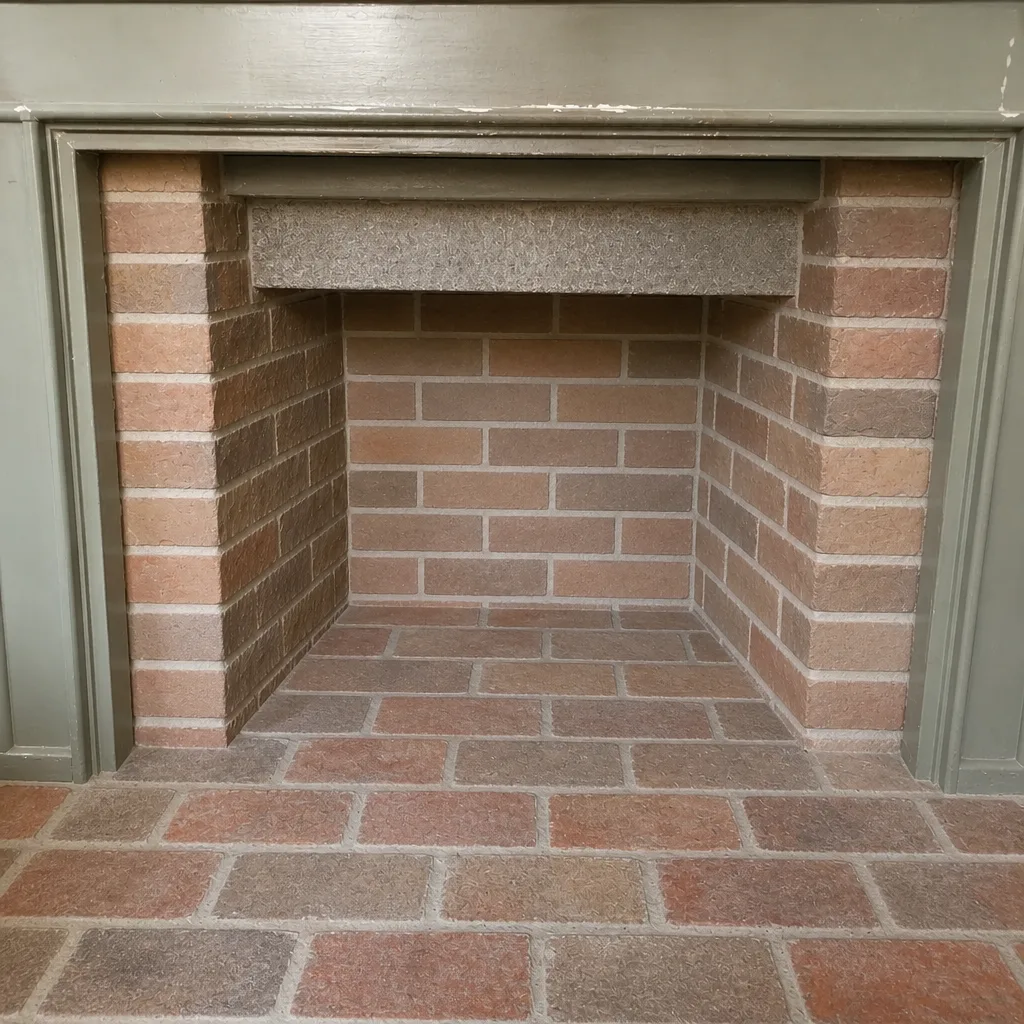
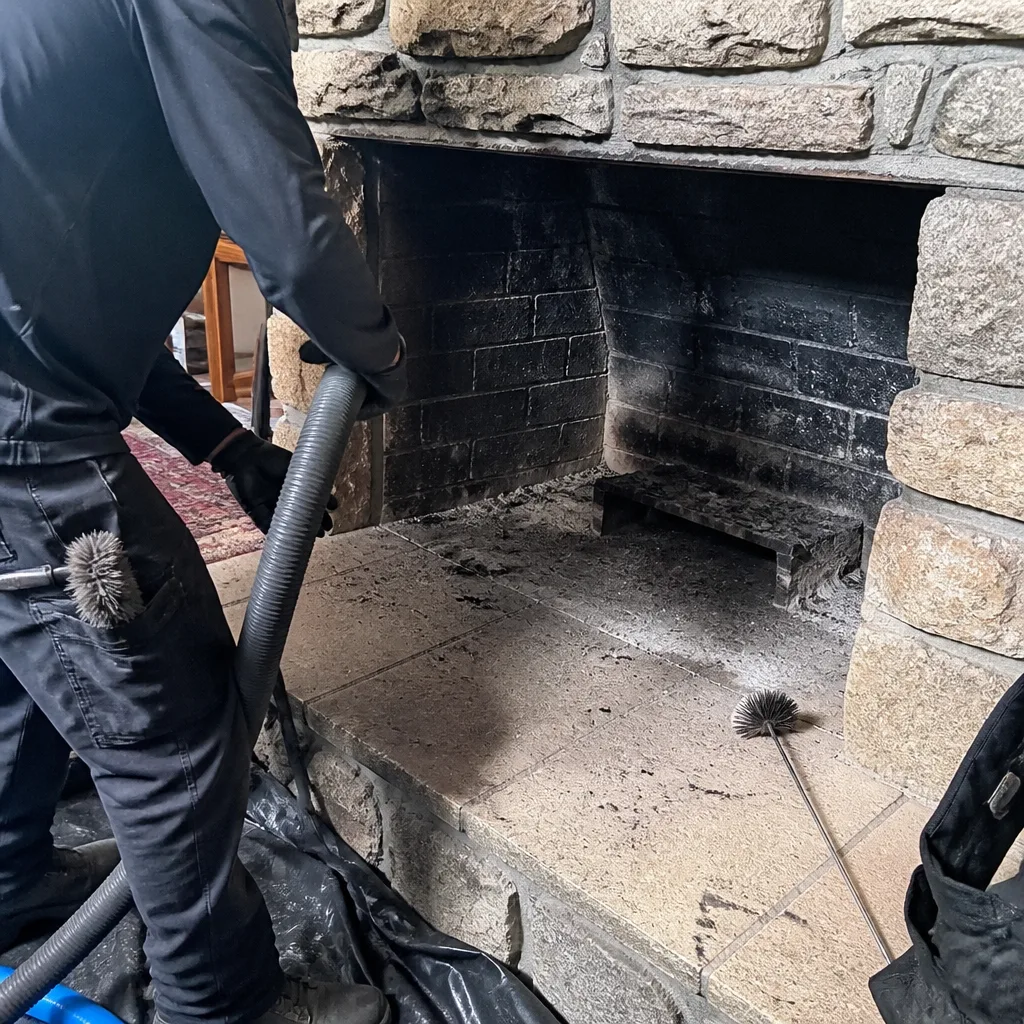
See the difference
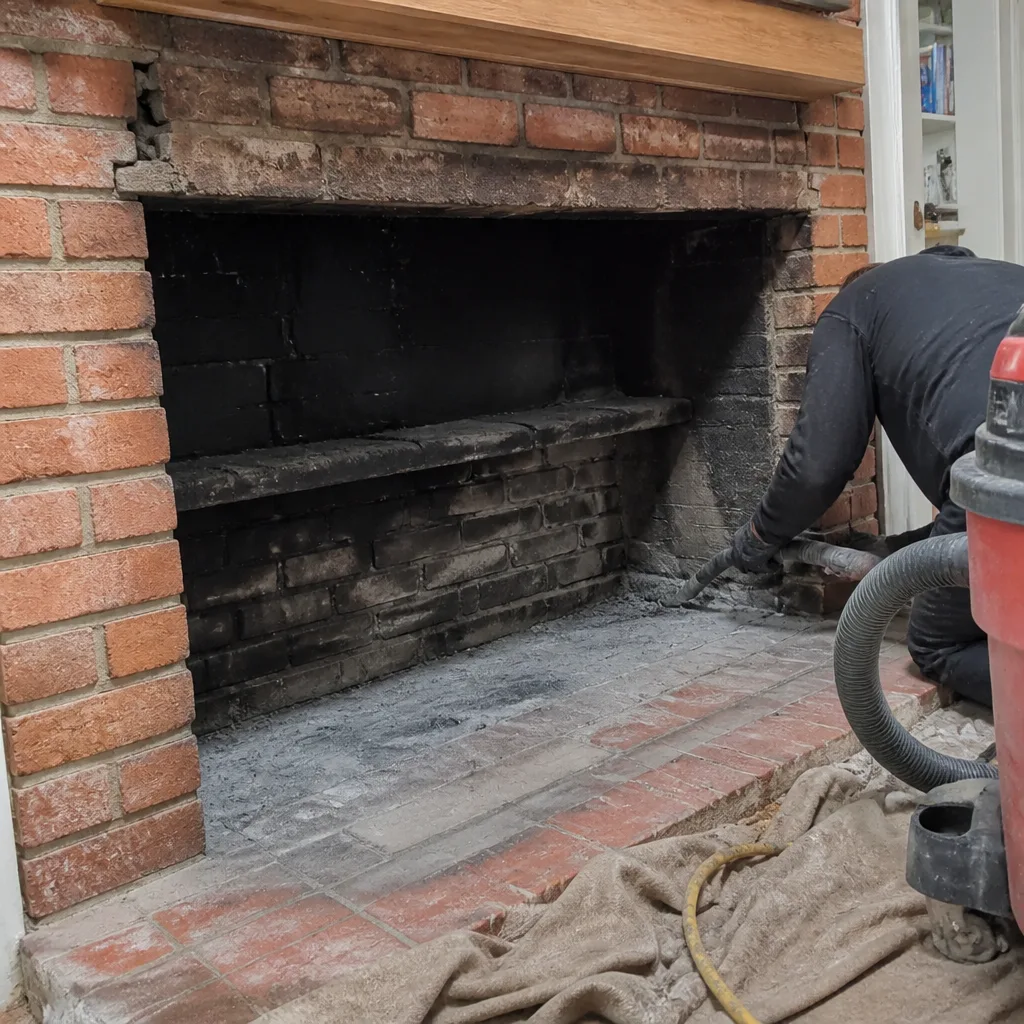 Before
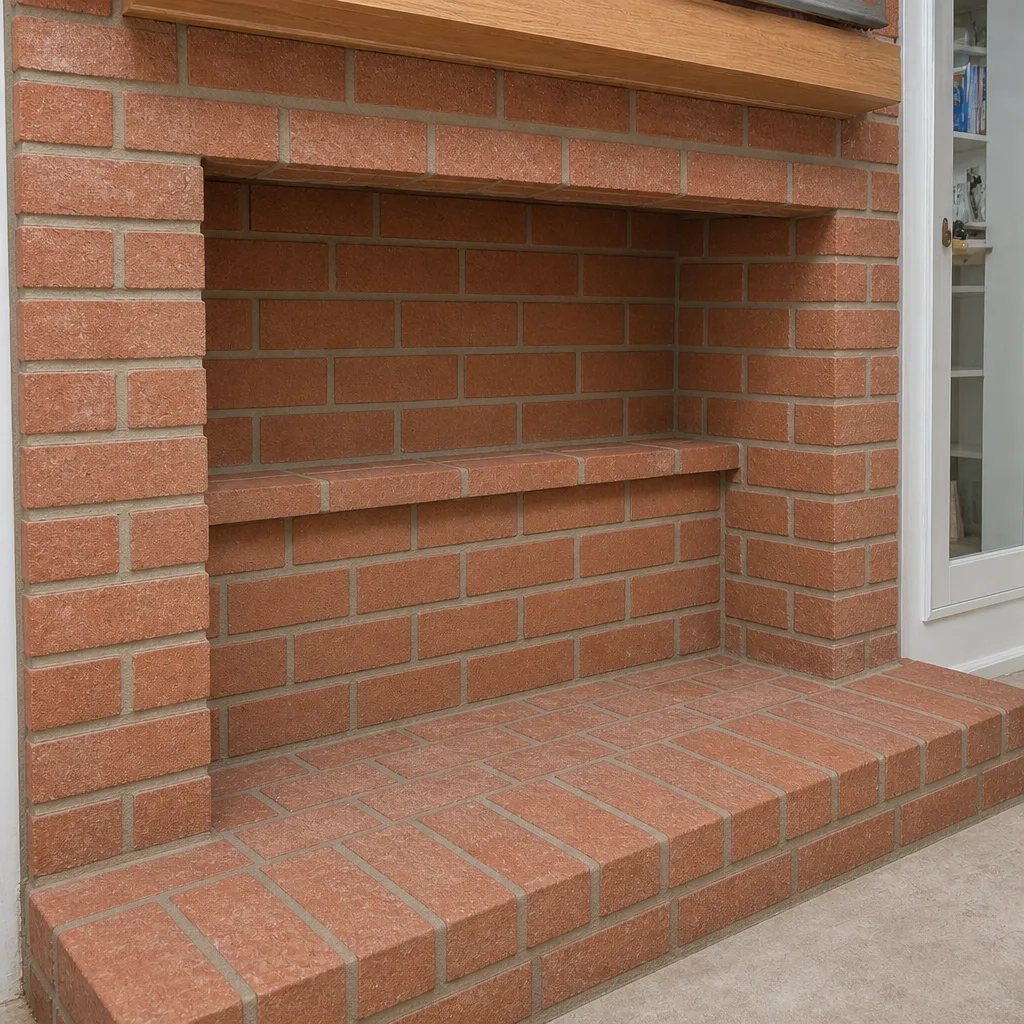 After
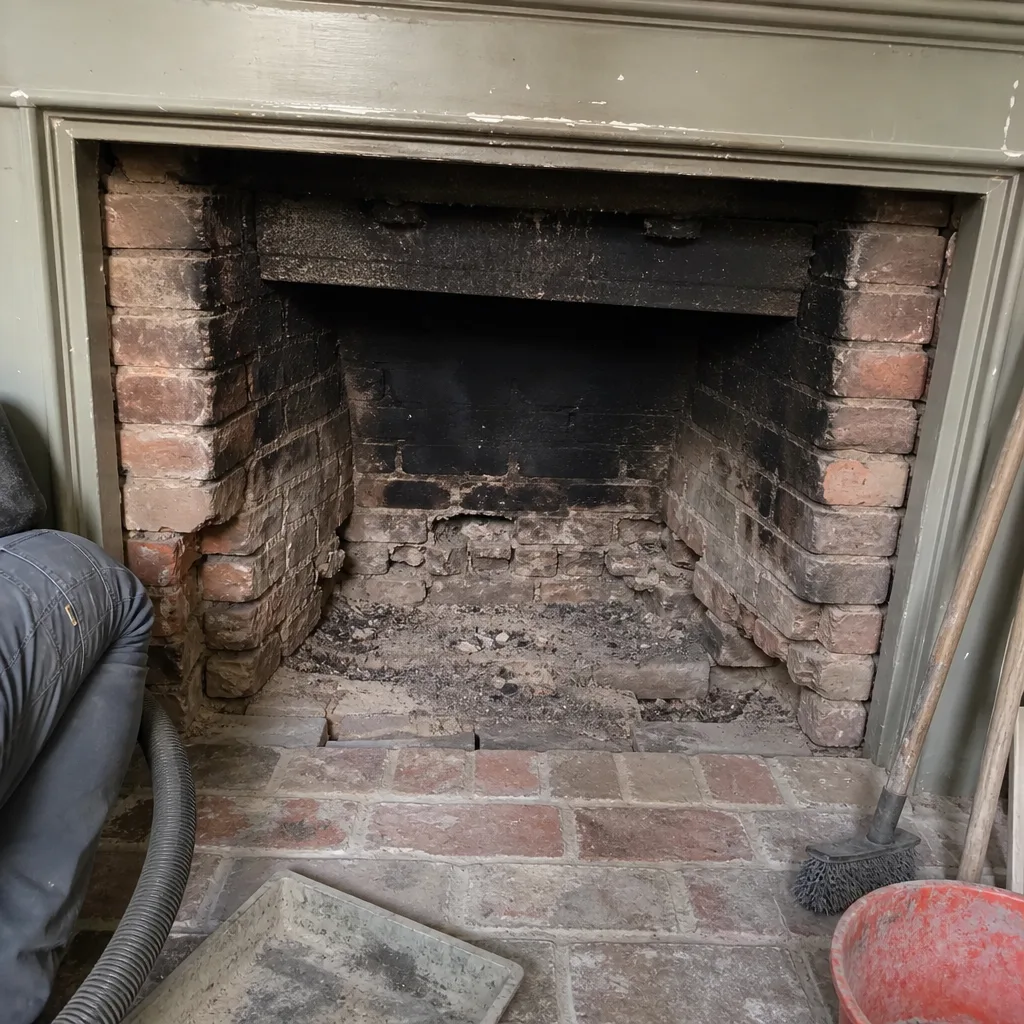 Before
 After
 Before
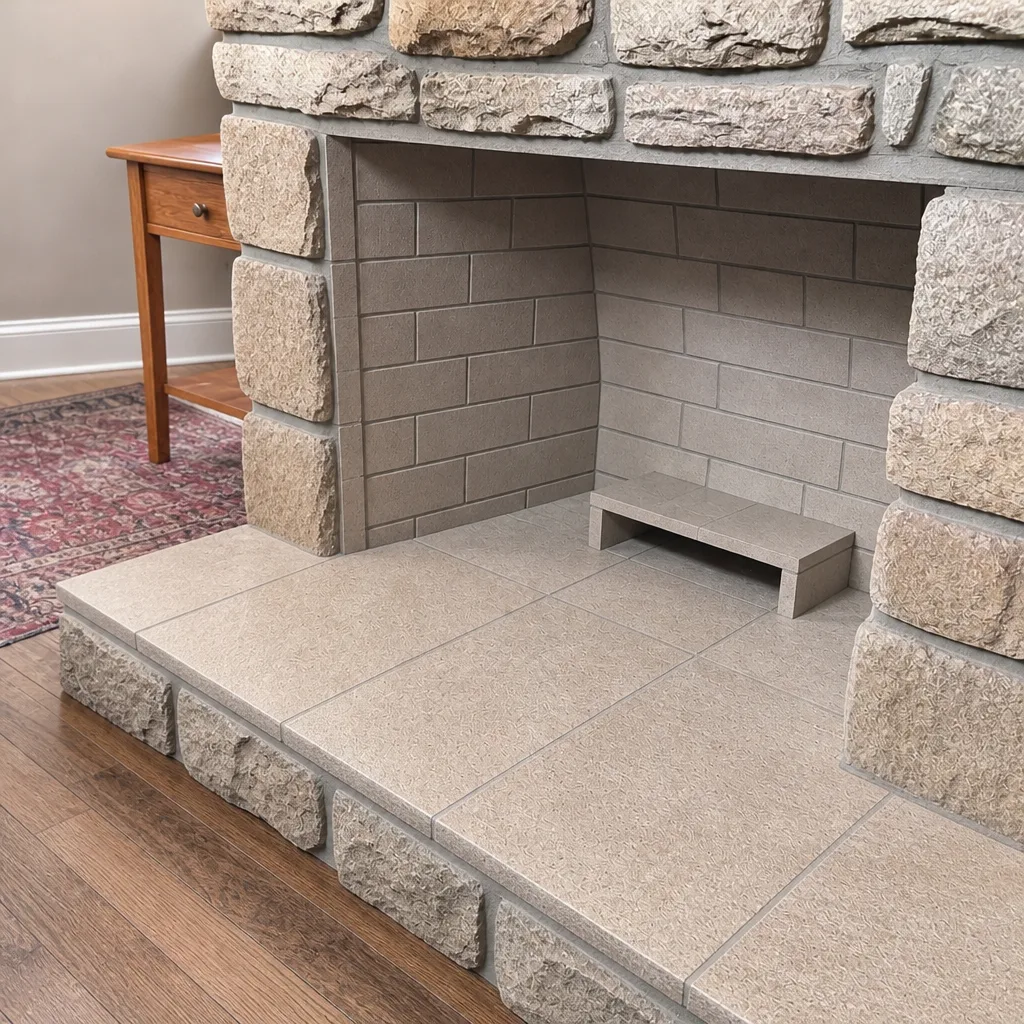 After
When to Call a Professional
Some chimney care is routine and some needs a trained eye. Call a professional when you notice smoke rolling back into the room, a weak or irregular draft, or odors during damp weather; when you hear animals in the chimney; when you can see a cracked crown, loose mortar, or a damaged cap; or when the flue hasn’t been inspected and you don’t know its condition. Also call after an ice storm that may have displaced the cap. Creosote buildup and any liner damage are not DIY territory, since a cracked liner lets combustion gases into your home. Raleigh Chimney Cleaning offers free estimates in Raleigh – call (833) 304-2125. We answer 24/7. Fast dispatch from 7am to 7pm, Sunday through Friday. The estimate is free, and the written estimate sets the final price.
Frequently Asked Questions
Once a year is the general rule for a home that uses its fireplace regularly, and Raleigh’s humid shoulder seasons make an annual inspection worth keeping even in years you burn less. The best time is late summer, before the fall rush and after the humid season has had its say. If you burn often or have an older home with an aging chimney system, an annual sweep and inspection keeps you ahead of problems. Call (833) 304-2125 for an exact quote – estimates are free.
Late summer beats fall because contractor availability is better and an inspection then reflects the whole humid season’s wear. Fall is peak demand, so appointments fill fast once the first cold snap hits. Booking in late August or early September gives you a date that fits your schedule and time to handle any repair before you need the fireplace. A call outside dispatch hours is booked into the next opening, Sunday through Friday, 7am to 7pm.
Yes. Summer humidity and repeated warm-cold swings work on mortar joints and crown sealant, and a chimney that sits unused all summer has no drying heat to counteract it. The damage is silent because an idle chimney shows no smoke or draft problems. That’s why spring sealing and a late-summer inspection matter more here than the midwinter sweep most people remember. Call (833) 304-2125 for an exact quote – estimates are free.
A properly fitted chimney cap is the most effective protection against both leaf debris and animal nesting. The Triangle’s heavy leaf drop and active nesting season make a secure cap essential every fall. If your cap is rusted, loose, or missing, that’s the item to fix before October. We install Famco caps that hold up to local weather. Call (833) 304-2125 for an exact quote – estimates are free.
A damaged flue liner often can be resurfaced rather than fully replaced. We use HeatShield ceramic resurfacing to restore a damaged liner in many cases, which is a durable middle-ground option between a patch and a full rebuild. For chimneys with complex bends or older masonry that won’t take a rigid liner, we install DuraFlex flexible systems. The right answer comes from a camera inspection, and we show you what we find. Call (833) 304-2125 for an exact quote – estimates are free.
Skipping a year means creosote builds up, moisture damage goes unchecked, and fall debris and animal nests can block the flue. The risks are chimney fire from creosote and combustion gases backing into the home from a blockage or a cracked liner. None of that is meant to alarm you, but those are the real reasons an annual sweep and inspection is worth keeping. Some work can safely wait, and a proper inspection tells you which. Call (833) 304-2125 for an exact quote – estimates are free.
The Bottom Line
A chimney in Raleigh ages fastest when nobody’s using it. The warm, wet shoulder seasons drive more wear to mortar, crown sealant, and flue tiles than the burning season ever does, which makes off-season care the highest-leverage maintenance you can give a chimney. Spring is for sealing and inspecting, summer is for watching moisture damage, late summer is for booking before the fall rush, fall is for clearing debris and nesting animals, and winter calls for a quick check after an ice storm. Do those five things and the burning season takes care of itself. When something turns up that needs a hand, we repair what we find, with the professional-grade materials the job calls for. Call (833) 304-2125. We answer 24/7. Fast dispatch from 7am to 7pm, Sunday through Friday.
Written by the team at Raleigh Chimney Cleaning, serving Raleigh since 2013.