
Last updated November 14, 2026
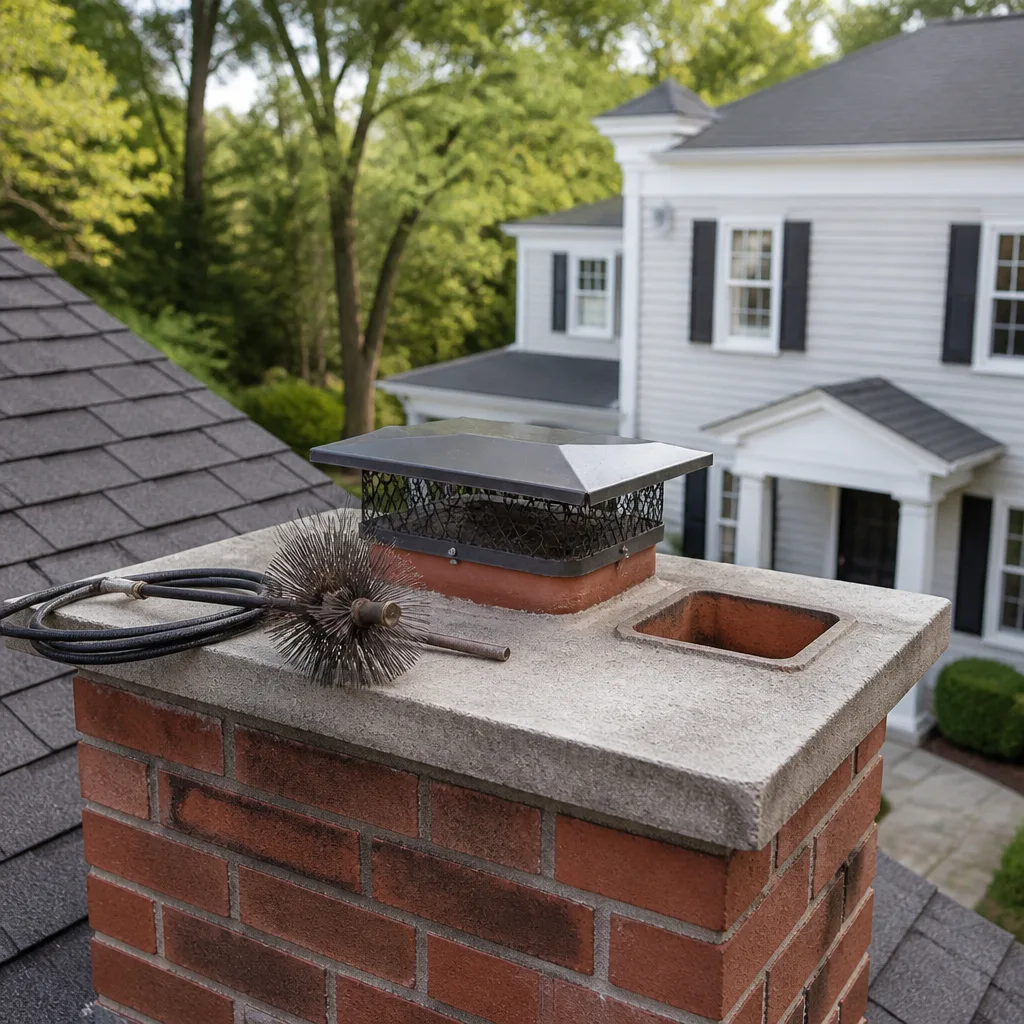 Sweep & inspection
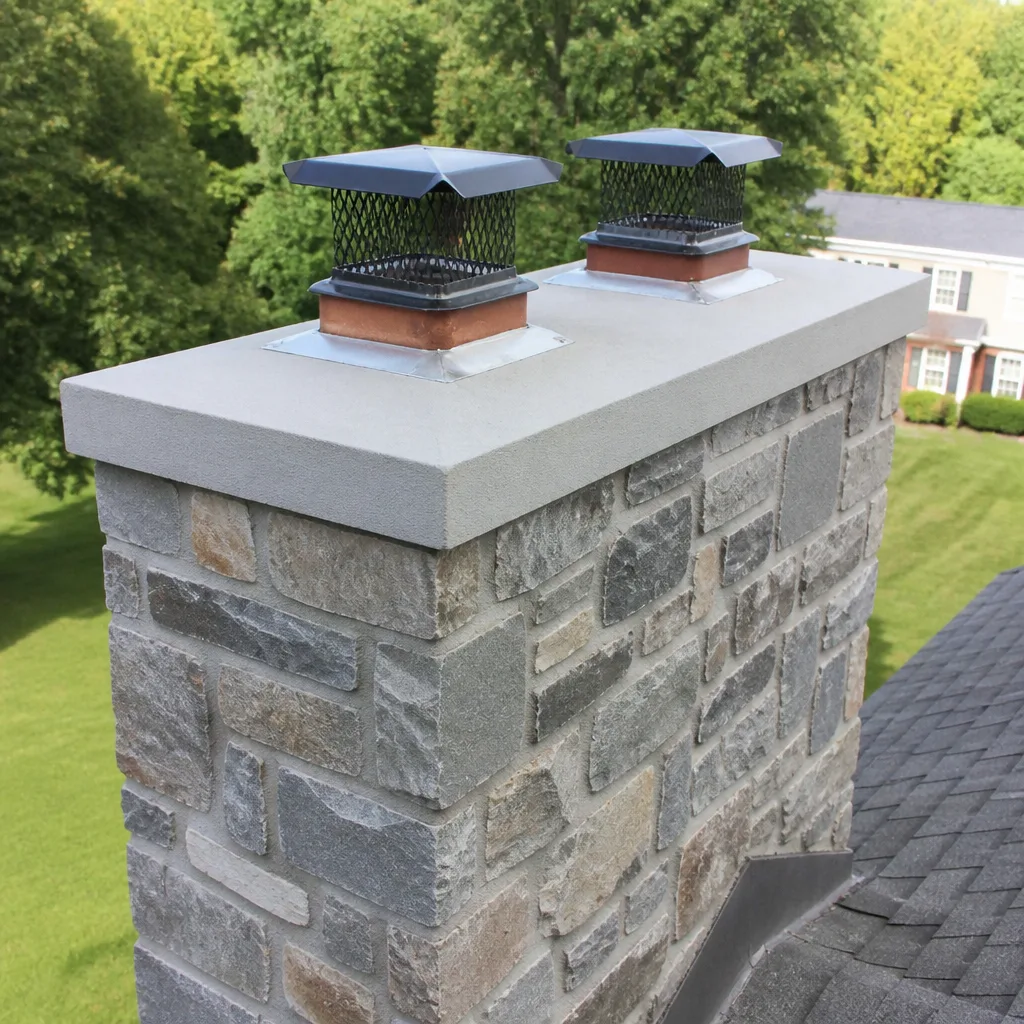 Caps & crowns
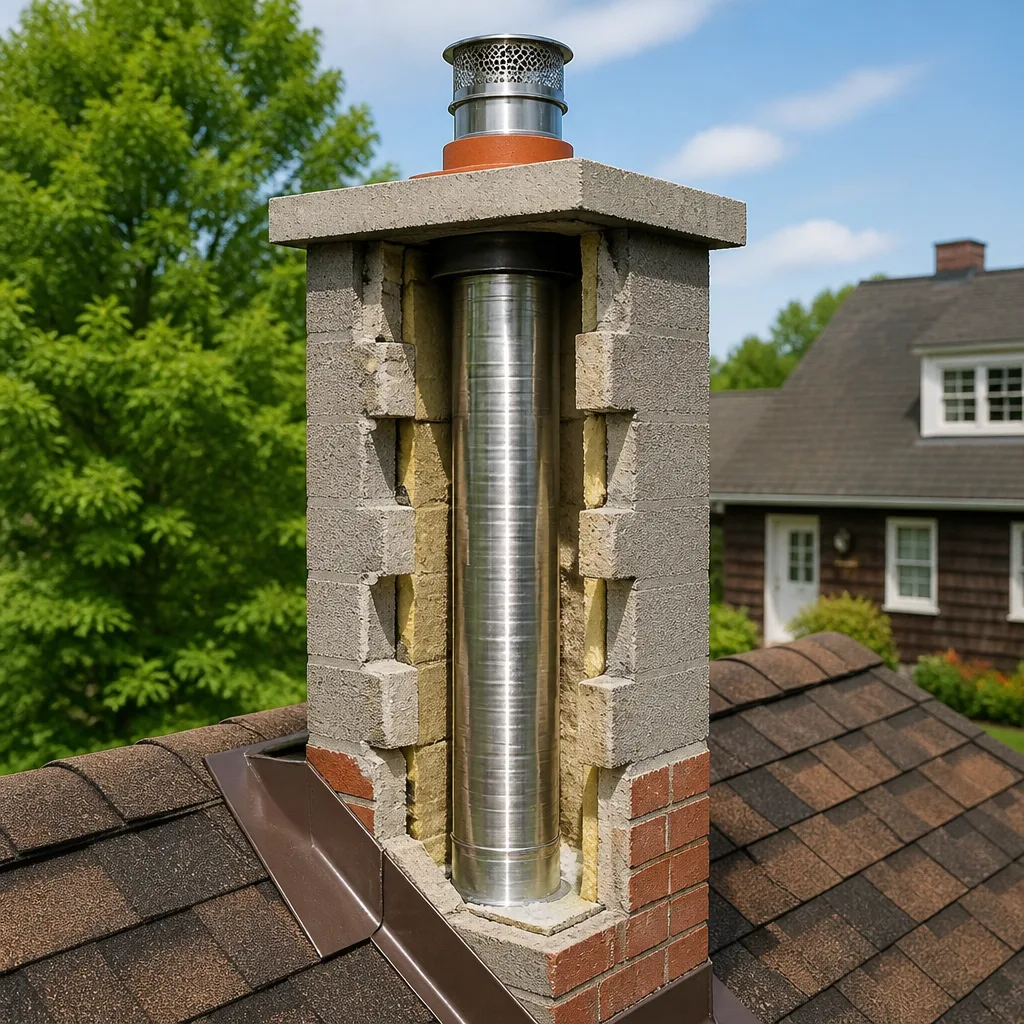 Flue relining
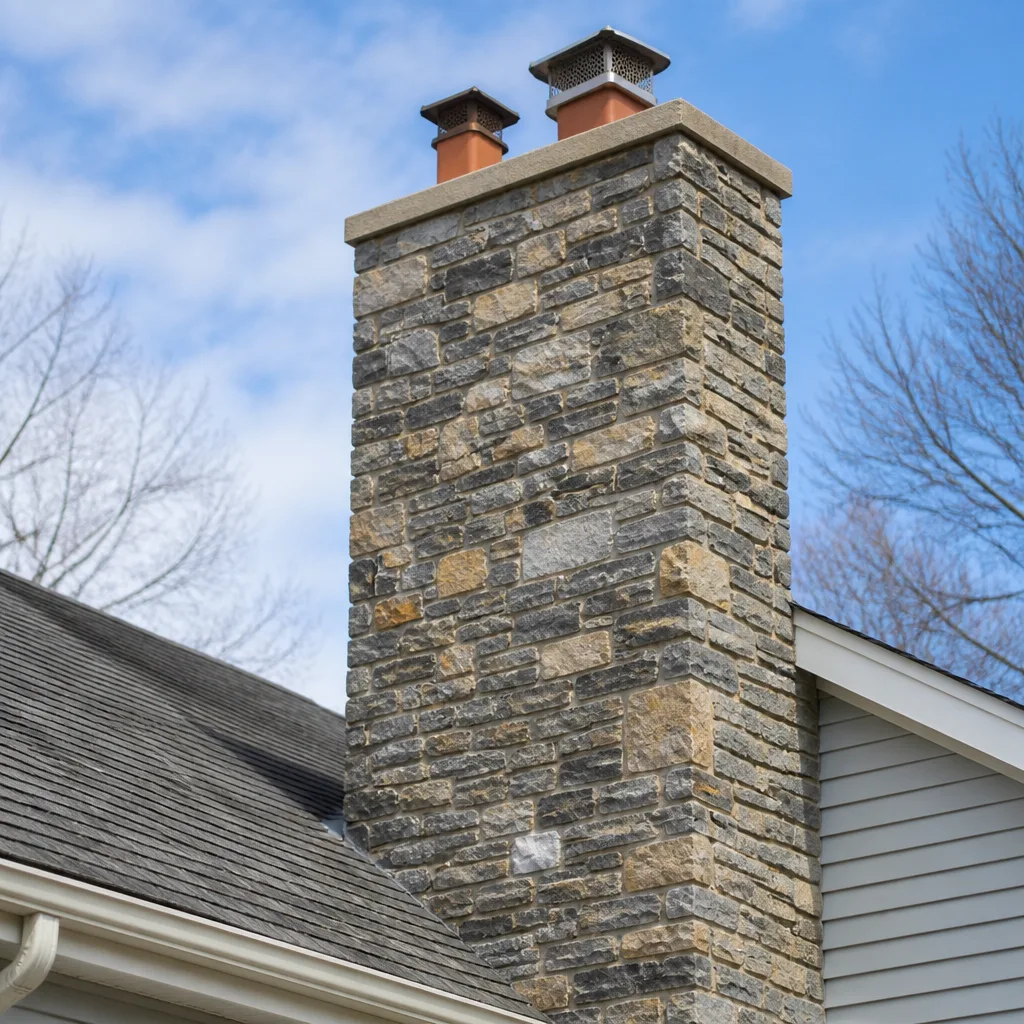 Masonry repair
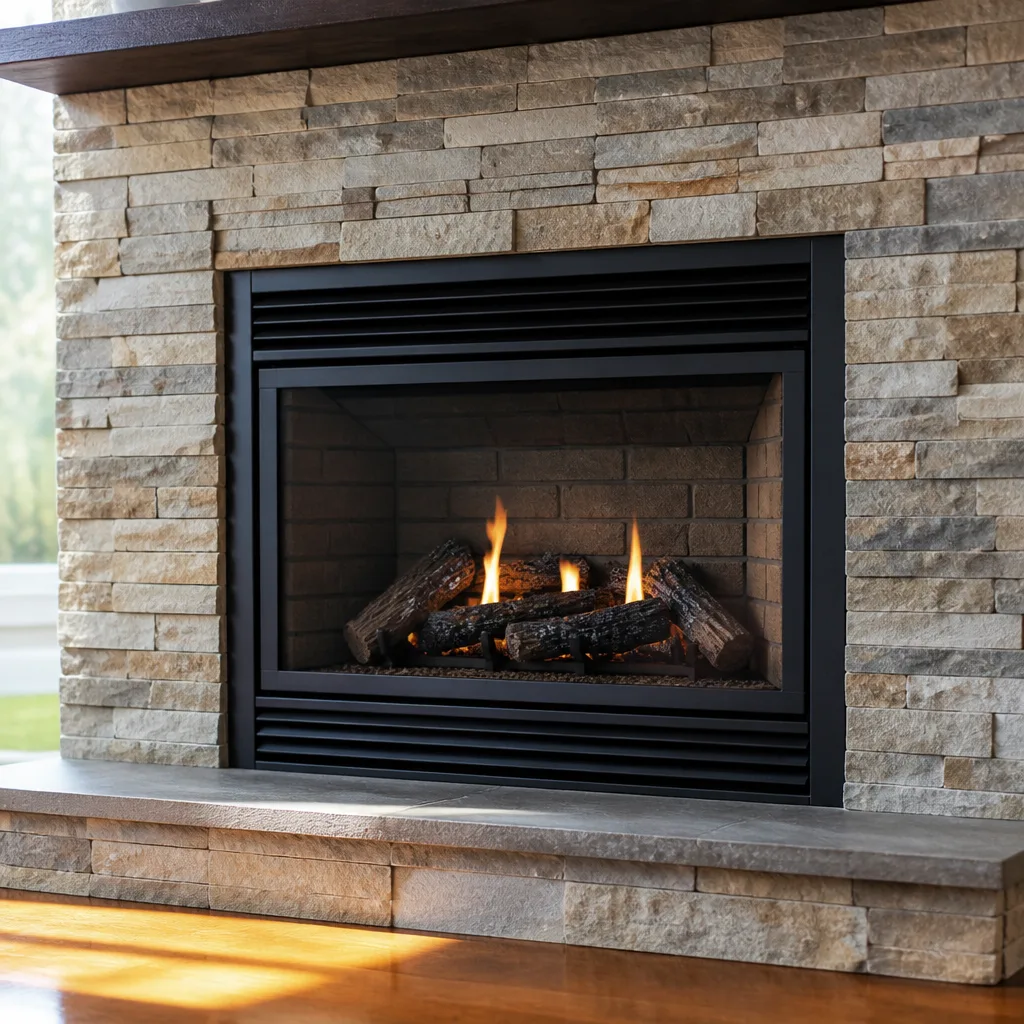 Gas fireplace service
Level 1 sweep and inspection to the NFPA 211 annual standard - flue, crown, cap, and flashing checked and photographed
Chimney sweep logs do not sweep chimneys. They loosen some creosote - which then falls where a brush and vacuum still have to collect it.
Chimney Cleaning Permits, Codes & Inspections in Raleigh, NC: What You Need to Know
Here’s a fact most homeowners miss: if a contractor does structural chimney work on your house without a permit and your home later has a fire, your insurer has grounds to deny the claim. That’s not a scare tactic. Most homeowner’s policies contain language requiring work to be done to code and with proper permits, and an unpermitted chimney repair gives an adjuster a reason to walk away. Cleaning and maintenance fly under the radar, but structural repairs – liner replacement, crown work, masonry rebuilds – sit squarely in permit territory. In this guide we’ll walk through the distinction, what the state code covers, how inspections actually work around Raleigh, and how to verify your contractor did things by the book.
Quick Answer
In Raleigh and across Wake County, routine chimney cleaning and maintenance don’t require a permit. Structural chimney repairs – including flue liner replacement, crown repair, and masonry rebuilds – typically do. The North Carolina Residential Building Code (Section R1003) governs chimney construction and repair, and most local building departments require a permit for structural work. Always confirm with the Wake County or City of Raleigh permitting office before work begins, and always verify that your contractor pulled the permit before the first day on the job.
Styles & brands we work with
- Sweep & inspection
- Caps & crowns
- Flue relining
- Masonry repair
- Gas fireplace service
Table of Contents
- Cleaning vs. Repair: Where the Permit Line Falls
- What NC Residential Building Code Section R1003 Covers
- How the Chimney Inspection Process Works in Raleigh
- What Happens If Your Chimney Fails Inspection
- How to Verify Your Contractor Pulled the Required Permits
- How Unpermitted Work Affects Real Estate Transactions and Title Insurance
- Why Raleigh’s Climate and Housing Stock Make This Matter More
- When to Call a Professional
Cleaning vs. Repair: Where the Permit Line Falls
The simplest rule: cleaning doesn’t need a permit, structural repair usually does. A routine chimney sweep removes creosote, soot, and blockages. That’s maintenance, and no building department in Wake County or anywhere in Raleigh wants a permit application for it. Once the work touches the structure of the chimney itself – the flue liner, the crown, the masonry, the firebox – you’ve crossed into permit territory.
Here’s the practical split we explain to homeowners:
- No permit typically needed: sweeping, creosote removal, cap replacement, minor animal guard installation, general cleaning.
- Permit almost always required: flue liner replacement or relining, crown repair or replacement, firebox rebuild, masonry repointing beyond cosmetic work, chimney chase modifications, any new chimney construction.
- Check with the permitting office: damper replacement, chimney cap structural work, spark arrestor installation on older masonry, and any repair that could affect clearances to combustibles.
Why does the line fall here? Because structural chimney work affects fire safety and clearances to combustible materials. A flue liner that’s improperly sized or installed can let heat or combustion gases into the wood framing of the home. The code treats that as structural work for a reason. Before we do any repair work in a Raleigh home, we confirm whether the job requires a permit. If it does, the permit gets pulled before crews start.
One more thing worth knowing: even when a permit isn’t strictly required, an inspection report matters. Our team uses camera inspection to document what’s actually inside the flue, so we can show you the condition rather than tell you about it. That report becomes valuable if you ever sell the house or file an insurance claim.
What NC Residential Building Code Section R1003 Covers
Section R1003 of the North Carolina Residential Building Code governs chimneys and fireplaces in one- and two-family dwellings. It’s the section building inspectors reference when they look at a chimney repair, and it covers more ground than most homeowners realize:
- Chimney construction requirements – material, height, clearance from combustibles, and how the chimney is supported and attached to the structure.
- Flue sizing and lining – the requirements for a proper flue liner, including the condition or replacement of an existing liner when the chimney is repaired or relined.
- Clearance to combustibles – the separation required between the chimney flue and any wood framing, and how that clearance must be maintained through repairs.
- Masonry and mortar condition – what counts as a compliant repair versus a cosmetic patch on damaged masonry.
- Chimney caps and spark arrestors – requirements for caps on chimneys serving solid-fuel appliances.
- Fireplace and hearth requirements – hearth extension dimensions, firebox construction, and fireplace clearances.
- Venting of appliances – how connected appliances (wood stoves, insert flues, gas appliances vented through a chimney) must be vented to the flue and how the flue itself must be sized to the appliance.
Practically, this means when a Wake County inspector comes out to look at a chimney repair, they’re checking the flue liner, the clearance between the flue and the framing, the condition of the masonry, and the cap. A repair that passes inspection is one that meets these requirements on all counts, not just the visible portion. That’s the code’s purpose: fire safety over the life of the home.
We use HeatShield ceramic resurfacing on many liner jobs where the existing flue is damaged but not fully compromised. It’s a professional-grade material, and it’s designed to be code-compliant under the conditions R1003 sets. When a chimney can’t accept a rigid liner – because of bends or offset flues common in older Raleigh homes – DuraFlex flexible liner systems give us a code-compliant path where less flexible options wouldn’t fit.
How the Chimney Inspection Process Works in Raleigh
The inspection process has two very different tracks: a professional chimney inspection (the kind a sweep does) and a municipal code inspection (the kind a building inspector does). Both matter, and they answer different questions.
The professional chimney inspection
A chimney inspection is a visual and camera assessment of the flue, firebox, crown, cap, and visible masonry. It’s about the condition of your chimney system, not code compliance per se. Here’s what it typically covers:
- Exterior survey – crown, masonry, flashing, cap, and vent terminations.
- Firebox and damper check – looking for cracks, deteriorated mortar joints, and damper operation.
- Camera inspection of the flue – a camera run inside the flue to look for cracks, gaps, and creosote buildup. This is the evidence we show homeowners before recommending any repair.
- Appliance connection check – how the stove, insert, or fireplace connects to the flue.
- Photo report – a documented record with photos you can keep and share with your insurer, your realtor, or a future buyer.
Nothing is recommended in a Raleigh home without camera evidence the homeowner can see. If the flue is sound, we say so. If it isn’t, we show you why.
The municipal code inspection
When structural repair work requires a permit, the permit is inspected by a municipal code official. The inspector checks that the work meets R1003 requirements – flue liner and clearance, masonry, cap, venting. During the work, the permit holder (the contractor) schedules the inspection at the applicable stages. The municipal inspection is your protection against unpermitted work, and it’s the record a future buyer or insurer will look for.
What Happens If Your Chimney Fails Inspection
A failed inspection isn’t the end of the road. It’s a written list of what needs to be corrected before the work can be signed off. What gets corrected depends on what the inspector flagged, and it’s usually one of a few categories:
- Clearance issues – the flue isn’t separated properly from framing, or repairs reduced the required clearance. The fix is to restore the proper clearance, which sometimes means reworking the way the liner is installed or routed.
- Liner issues – an improperly sized liner, a liner not connected correctly at the top or bottom, or a liner that doesn’t meet the material and condition requirements of R1003. The fix is usually re-lining to spec.
- Masonry and crown issues – repairs that didn’t fully address deteriorated material, or a crown that doesn’t properly shed water. The fix is proper replacement, not a cosmetic patch.
- Cap and venting issues – a missing or improperly installed cap, or an appliance connected to a flue that doesn’t meet sizing requirements. The fix is to install the correct cap or re-vent correctly.
The repair must be redone and re-inspected. In our experience, most failed inspections come from work that was rushed or corners cut on materials. We work from the R1003 requirements on every repair and use professional-grade products from brands like Olympia Chimney and Famco, because a failed inspection costs more in the long run than doing the job correctly the first time.
How to Verify Your Contractor Pulled the Required Permits
This is where homeowners get caught, because most people take a contractor’s word on the permit. The permit is a public record. You can check it yourself, and in Raleigh, that check is straightforward.
Before work starts
- Ask for the permit number. Any contractor doing structural chimney work in Raleigh should be able to provide the permit number the day the work is scheduled to begin, not weeks later.
- Check the permit against the work scope. The permit should describe the work actually being done – liner replacement, masonry repair, crown replacement. A permit for a narrower scope than the work being performed is a red flag.
- Confirm the permit is posted or available on-site. Permit cards are usually required to be visible where the work is happening.
- Verify it’s in your contractor’s name and matches the address of the home.
After work starts
- Look up the permit record. Wake County and City of Raleigh both publish permit records through their online permitting portals. Search by address or permit number.
- Confirm the inspection stages have been scheduled and completed. A permit that’s been pulled but never inspected hasn’t closed out.
- Keep the inspection sign-off in your records. Save it with your home’s documentation. It’s evidence the work was done to code.
One practical note: permit requirements and scope vary by jurisdiction and change over time. The right move is to confirm with the permitting office for your specific address before work begins. Call the City of Raleigh or Wake County building department directly; a two-minute call removes the doubt.
How Unpermitted Work Affects Real Estate Transactions and Title Insurance
This is the part of the permit story that quietly causes trouble years later. When a Raleigh home goes on the market, the buyer’s inspector will look at the chimney. So will the buyer’s insurance company. An unpermitted repair – especially a flue liner replacement – can turn up in a home inspection report as “recent repair, permit status unverified.” That’s a red flag for the entire transaction.
- The buyer’s lender may require evidence the work was permitted and inspected. If it wasn’t, the sale can stall while the seller figures out how to retroactively permit work that’s already closed up inside the chimney.
- The buyer’s insurer may exclude the chimney from coverage if the liner has no permit record, or may require proof of inspection before the policy is issued. In some cases the policy won’t issue until the work is re-documented, re-inspected, or redone.
- Title insurance generally doesn’t cover work quality or unpermitted construction; it covers title defects. So unpermitted chimney work doesn’t get “covered” by title insurance – it becomes a negotiation point in the sale, or an expense for the seller to correct.
- Future claims on the home may be denied if a fire can be traced to unpermitted work that didn’t meet code. That’s a risk in the policy language most homeowners never read.
The short version: unpermitted work can cost a homeowner far more than the permit fee. Get the permit, keep the inspection record, and document the work. It’s the cheapest insurance on the whole job.
Why Raleigh’s Climate and Housing Stock Make This Matter More
Raleigh has a wet, humid climate with real freezing spells in winter, and that combination works on chimneys in ways homeowners don’t always see. Moisture in masonry freezes and expands during cold snaps, then thaws, and over repeated cycles, mortar joints and crowns open up. The chimney crown – the concrete or masonry top that sheds water away from the flue – takes the worst of it, and a cracked crown lets water into the walls of the chimney.
The housing stock matters just as much. Many Raleigh neighborhoods have homes built in the mid-twentieth century or earlier, with masonry chimneys that predate modern liner requirements. When a liner in one of these homes is failing, the repair isn’t a cosmetic patch; it’s a permit-and-inspection job under R1003. That’s why we see so many unpermitted liner replacements in older neighborhoods: the original chimney wasn’t designed to modern code, and the fix requires more than a quick sleeve.
Routine sweeping and inspection catch problems early, before they become structural. That’s the reason we treat a chimney sweep as a check-up, not just a cleaning. The flue looks clear; the camera says otherwise; the homeowner gets a photo report and a straight answer about whether the work can safely wait. Many can. Some can’t.
We also handle dryer vent cleaning on the same visit, because lint buildup in the dryer vent is the other hidden fire hazard in the home. One crew, one appointment, both hazards checked.
Common Mistakes to Avoid
- Skipping the permit because the contractor says it isn’t needed. A contractor who waves off a permit for structural chimney work is telling you something important about how they operate. Confirm with the permitting office yourself before the work starts.
- Not checking the permit scope. A permit for “chimney repair” that doesn’t match the actual work on your liner or crown leaves you with the same exposure as no permit at all. The scope on the permit must match the work on the house.
- Waiting until the work is done to ask about the inspection. Permit inspections have to be scheduled at the right stages. If the contractor never scheduled them, the work won’t close out correctly, and you’re the one stuck with the record.
- Treating a sweep as a substitute for a structural inspection. A cleaning removes creosote. It doesn’t check the flue liner condition for cracks or verify clearances. Ask for the camera report and photo documentation.
- Accepting a cosmetic patch on damaged masonry. A mortar patch over a cracked crown or deteriorated firebox looks fixed for the season. Water and heat find the crack again, and the repair becomes a rebuild.
- Assuming title insurance will cover unpermitted work. It won’t. Title insurance covers title defects, not work quality or permit compliance, so unpermitted chimney work becomes a problem for you, not the title company.
- Not keeping the inspection record. If you ever sell or file a claim, the permit inspection sign-off and the camera report are what prove the work was done correctly.
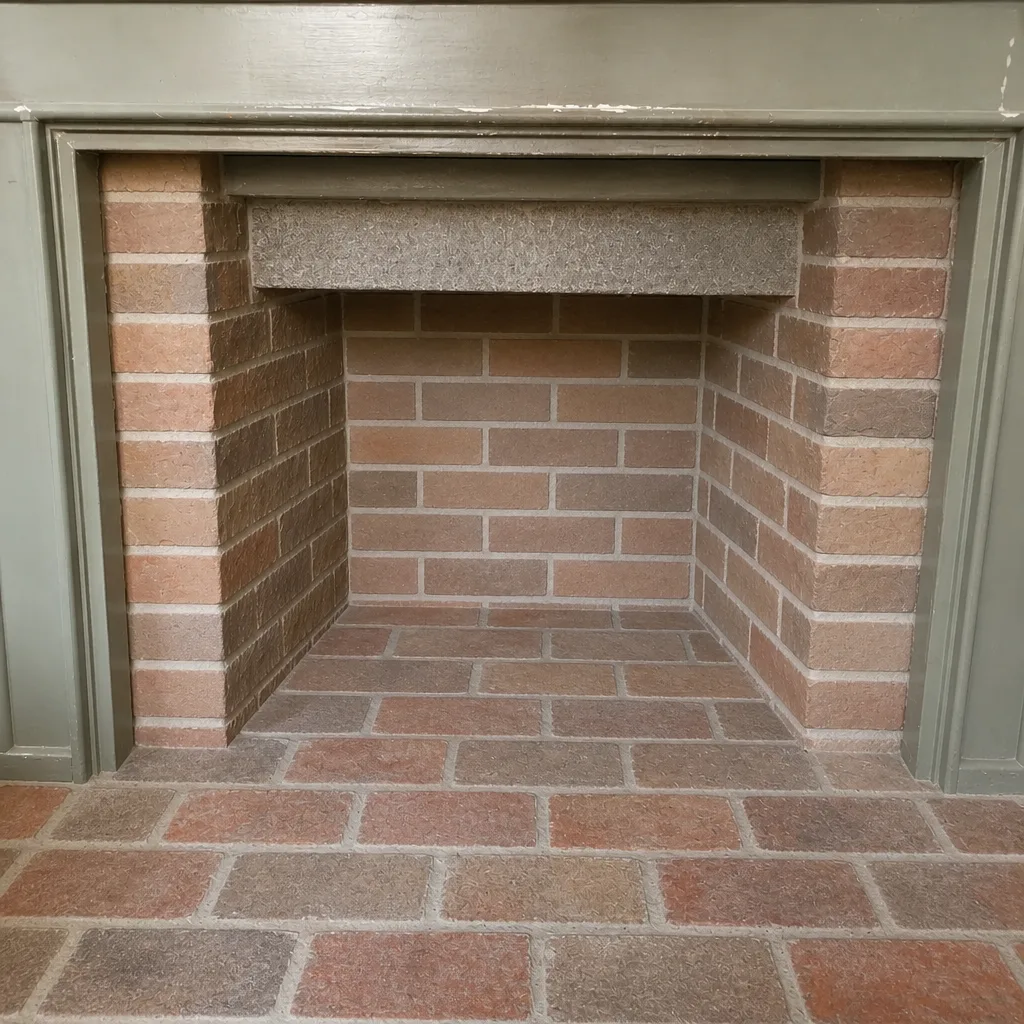
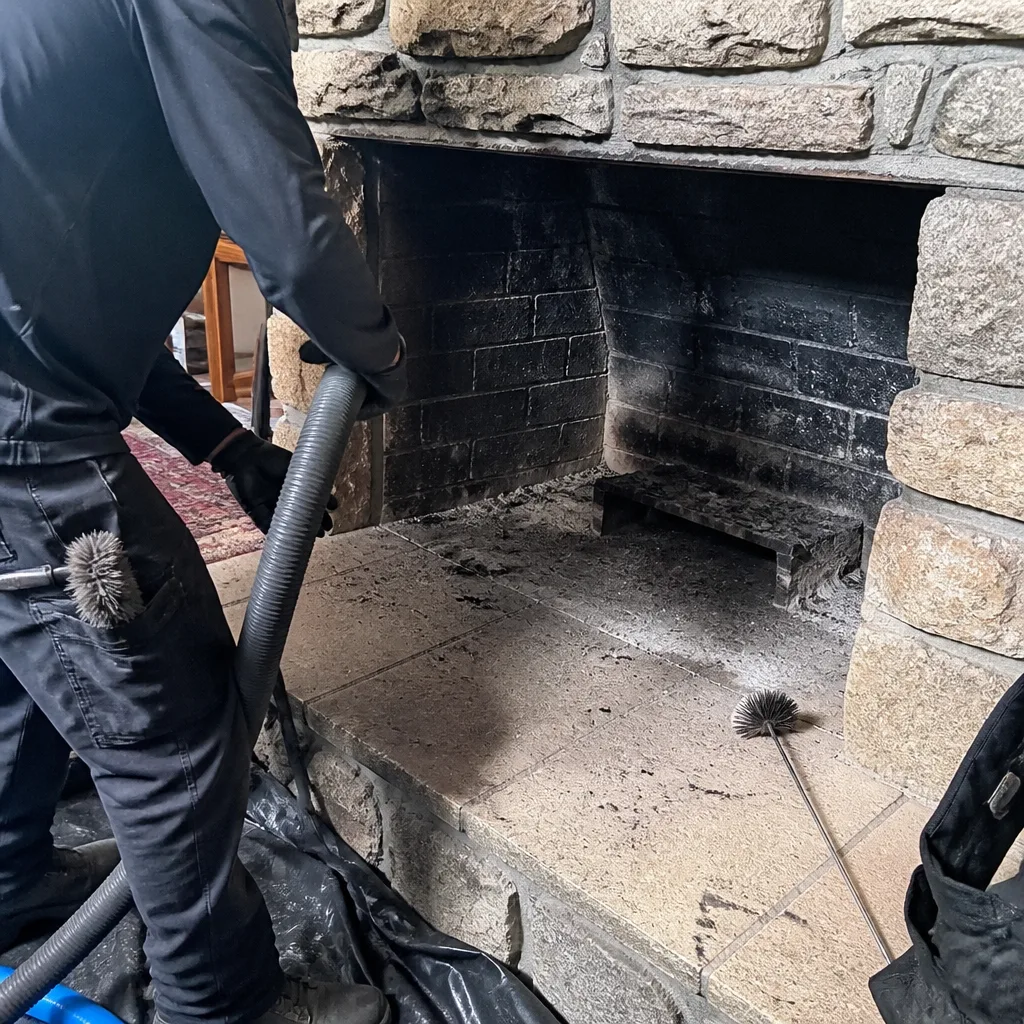
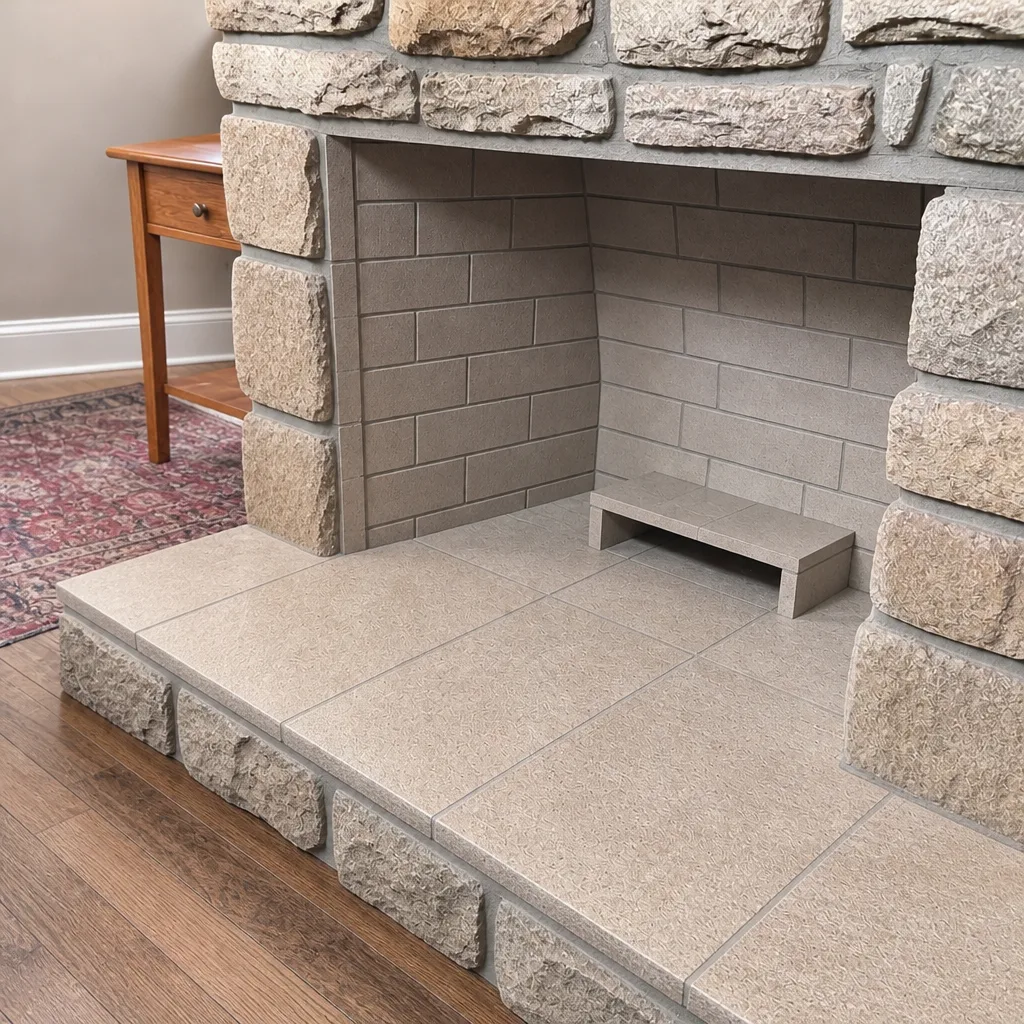
See the difference
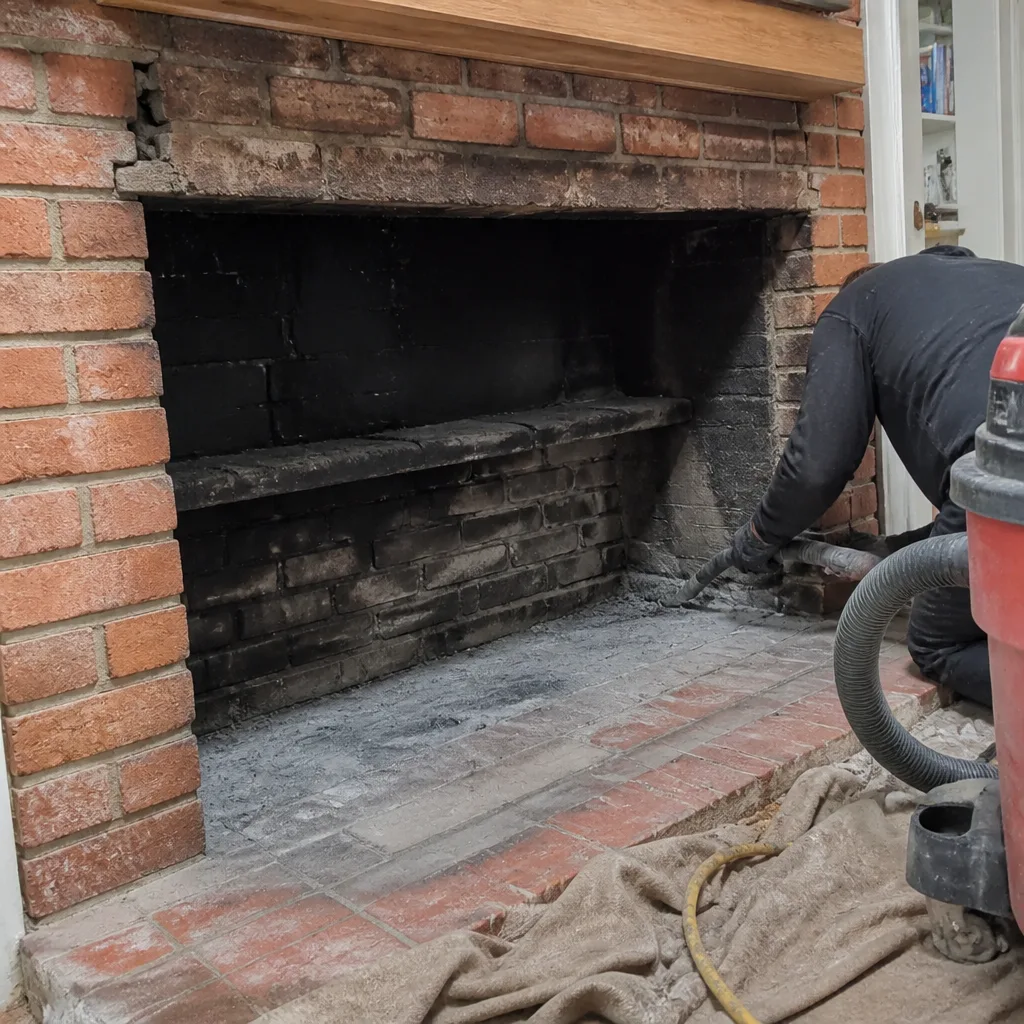 Before
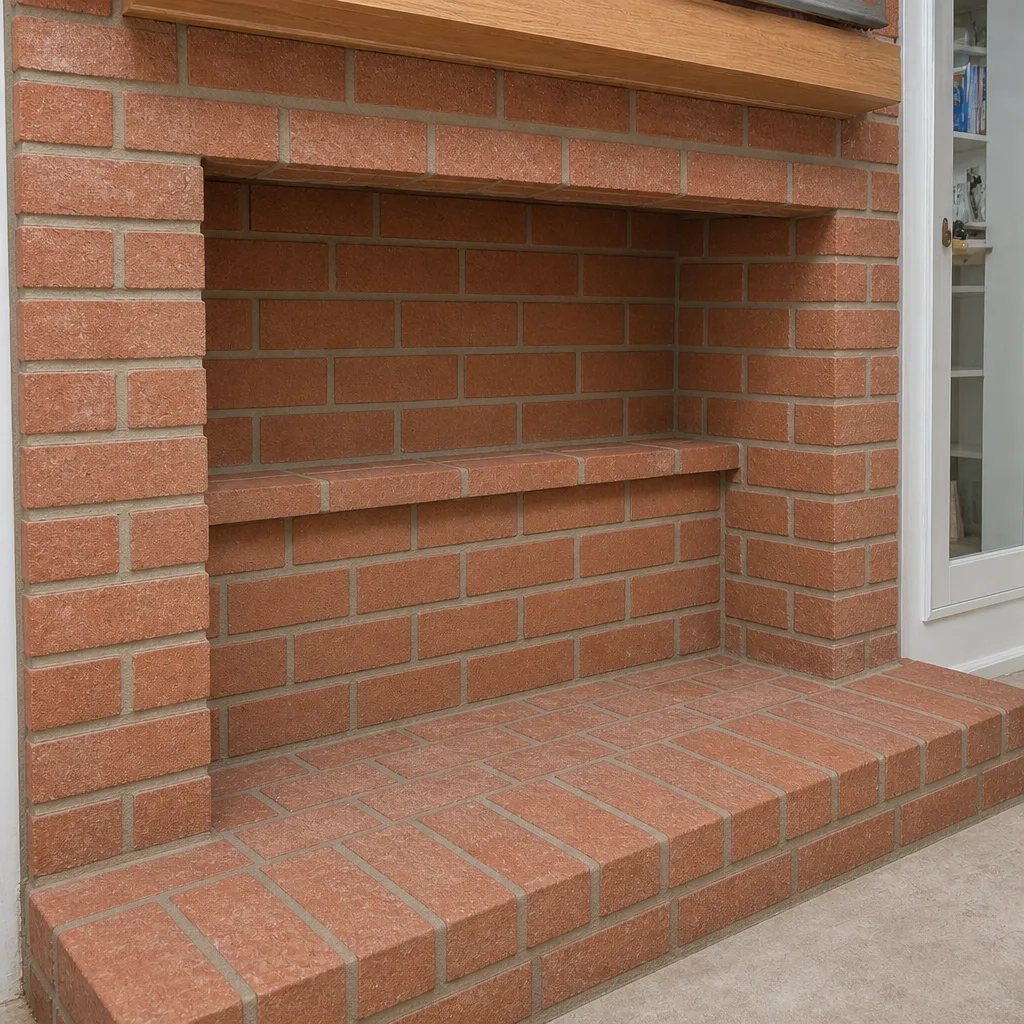 After
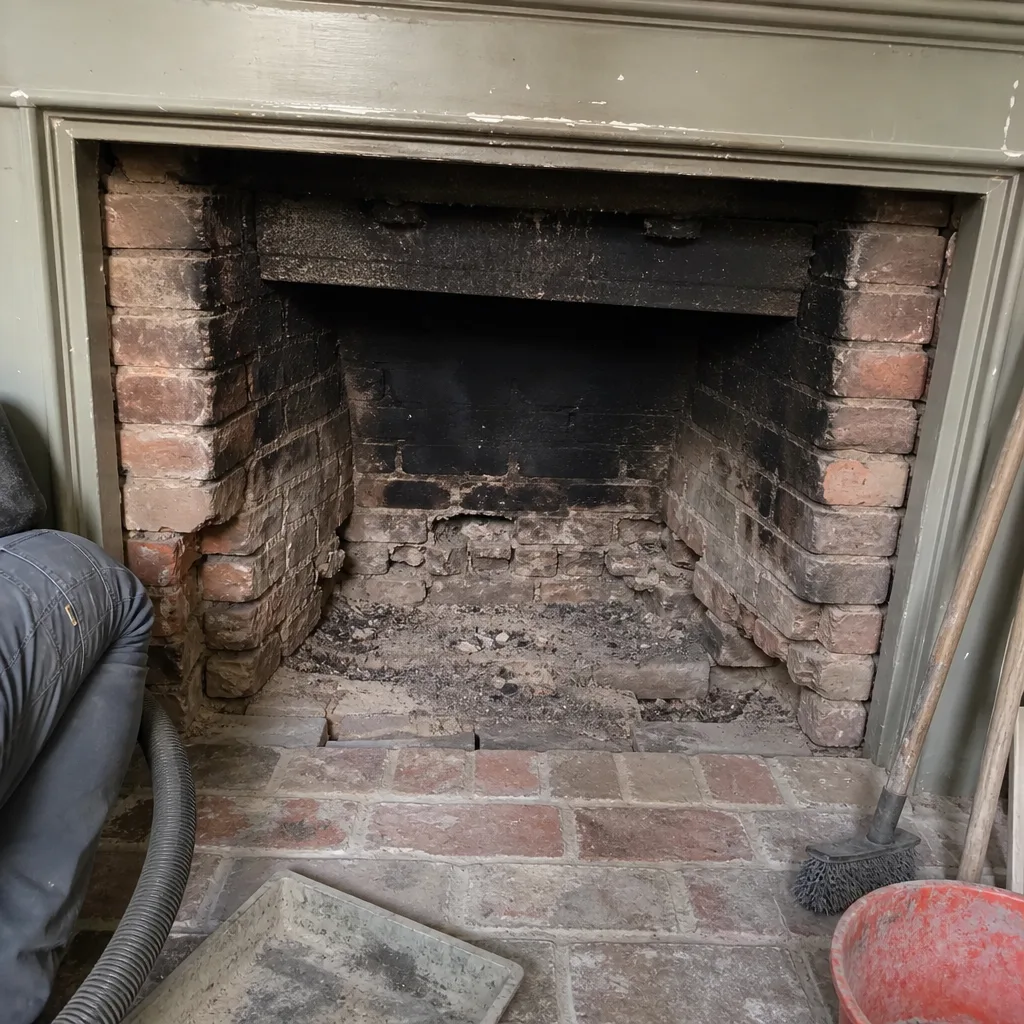 Before
 After
 Before
 After
When to Call a Professional
Call a professional chimney technician when you see cracked crown or masonry, water staining inside the chimney or on the ceiling near it, a cracked or deteriorated firebox, or a liner that hasn’t been checked in years. If you’re buying or selling a home in Raleigh and the chimney report shows recent repair work, have it verified – the permit record is public, but the condition of the flue needs a camera look. If you’ve never had the flue inspected, a first inspection tells you what you’re working with.
Raleigh Chimney Cleaning offers free estimates in Raleigh – call (833) 304-2125. We answer 24/7. Fast dispatch from 7am to 7pm, Sunday through Friday. Repairs are quoted per job from the written estimate, and nothing is recommended without camera evidence you can see.
Frequently Asked Questions
No. Routine chimney cleaning and maintenance don’t require a permit in Raleigh or Wake County. A permit is generally needed for structural repair work like flue liner replacement, crown repair, or masonry rebuilds. Confirm with the permitting office for your specific job, and call (833) 304-2125 for a free estimate on cleaning or repair.
In most cases, yes. A flue liner replacement is structural work and falls under NC Residential Building Code Section R1003, which makes it a permitted repair in most Wake County jurisdictions. The permit should be pulled before work begins and inspected after. Call (833) 304-2125 and we’ll tell you what the job will involve – estimates are free.
Ask for the permit number before work starts, then look it up through the City of Raleigh or Wake County online permitting portal by address or permit number. The permit scope should match the actual work on the chimney, and the inspection sign-off should be in your records when the job closes. Call (833) 304-2125 if you want help understanding what the permit record should show – estimates are free.
The inspector provides a written list of corrections, the work is redone to meet the R1003 requirements, and it’s re-inspected before the permit closes. Most failures come down to clearance, liner, or masonry issues that were cut short on the first attempt. Call (833) 304-2125 for a free estimate on repair work done correctly the first time.
It can. Most homeowner’s policies require work to be done to code and with proper permits, and an unpermitted repair can give an insurer grounds to deny a claim tied to that work. Unpermitted work can also complicate a future sale. Call (833) 304-2125 and we’ll walk you through what a compliant repair looks like – estimates are free.
Most chimney professionals recommend an inspection at least once a year if you burn regularly, plus after any event that could damage the chimney – a chimney fire, a storm, or visible masonry damage. Cleaning frequency depends on how much you burn and how much creosote builds up. Call (833) 304-2125 to schedule an inspection or a Raleigh Chimney Cleaning – the estimate is free.
The Bottom Line
Cleaning is maintenance and doesn’t need a permit. Structural repair – flue liners, crowns, masonry – sits under NC Residential Building Code Section R1003 and typically does. Get the permit pulled before work begins, verify the permit is in your contractor’s name and matches the scope, and keep the inspection sign-off with your home’s records. Unpermitted work can affect your insurance claim, your ability to sell the house, and any future buyer’s financing. If the flue hasn’t been checked recently, a camera inspection with photo documentation tells you what’s actually there, and we say clearly when work can safely wait. Call (833) 304-2125 for a free estimate. We answer 24/7. Fast dispatch from 7am to 7pm, Sunday through Friday.
Written by the team at Raleigh Chimney Cleaning, serving Raleigh since 2013.