
Last updated November 14, 2026
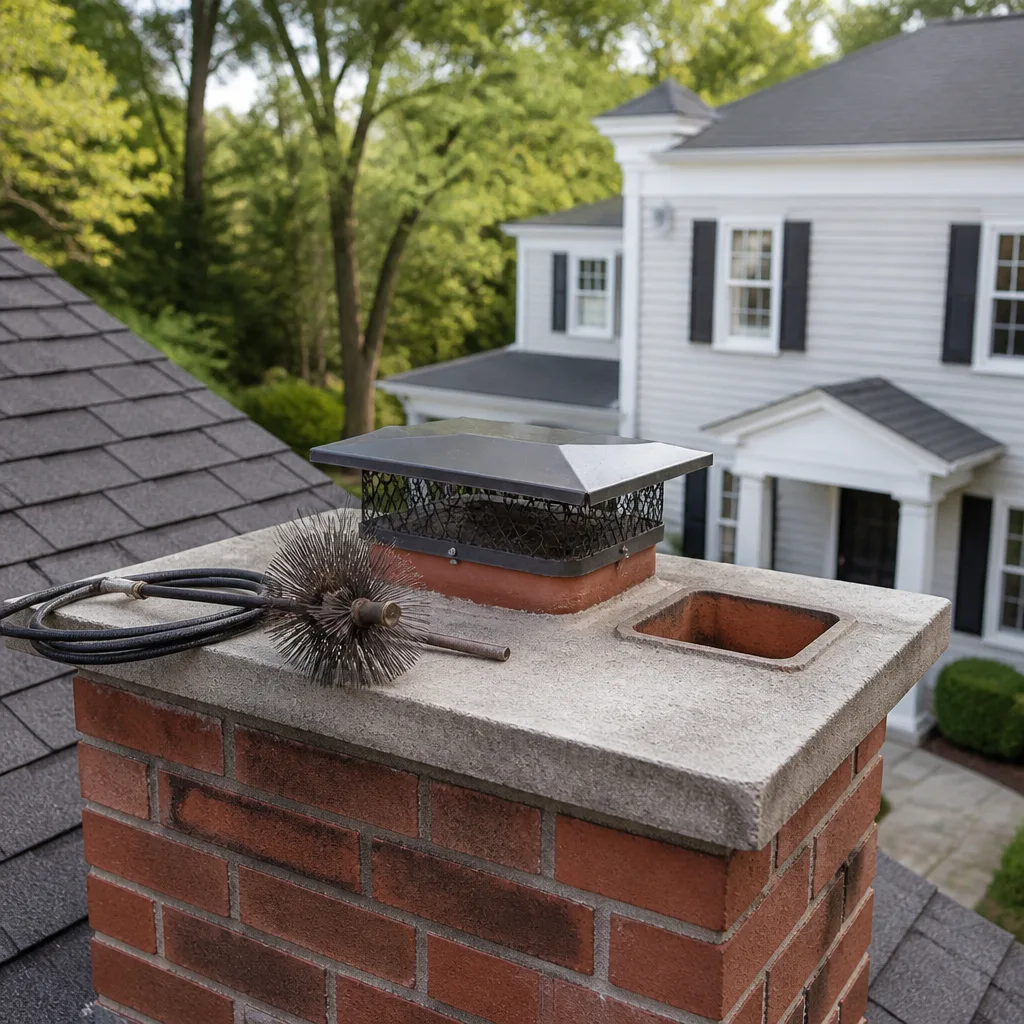 Sweep & inspection
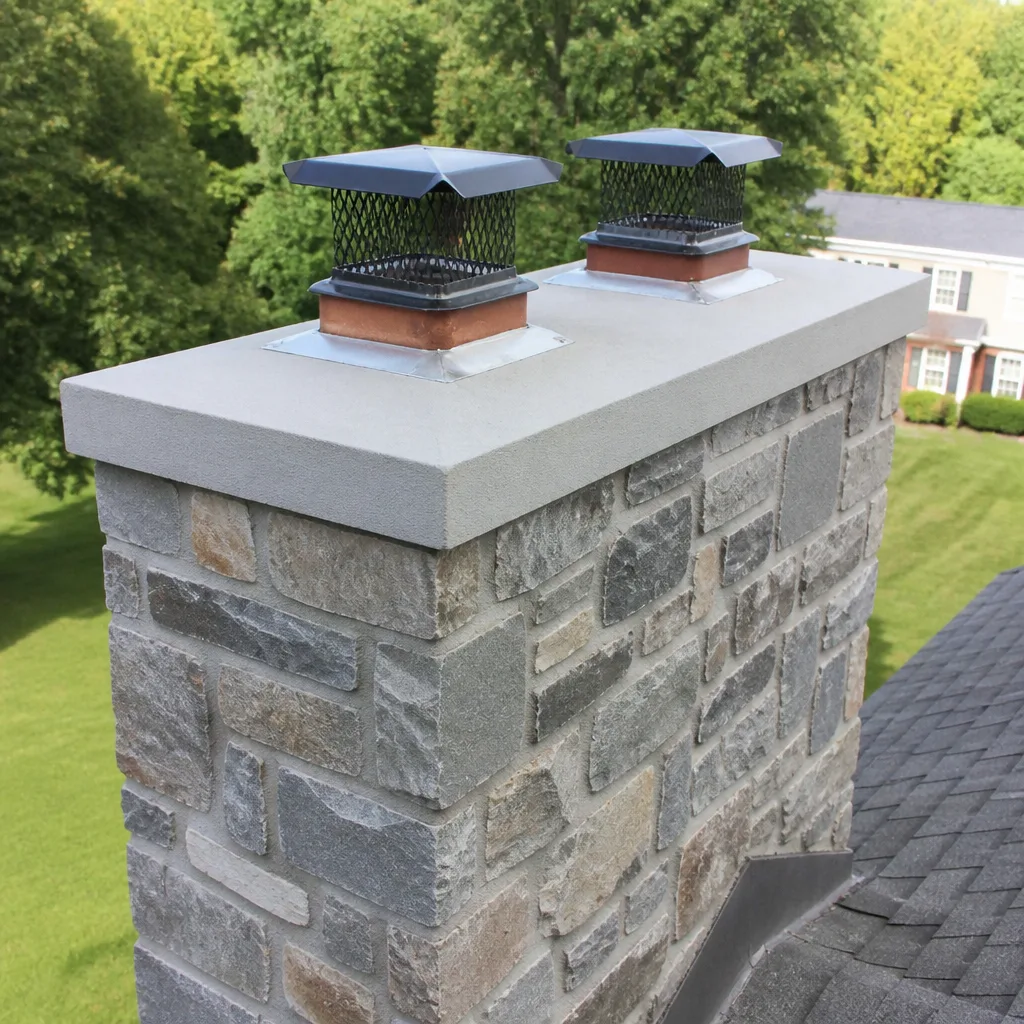 Caps & crowns
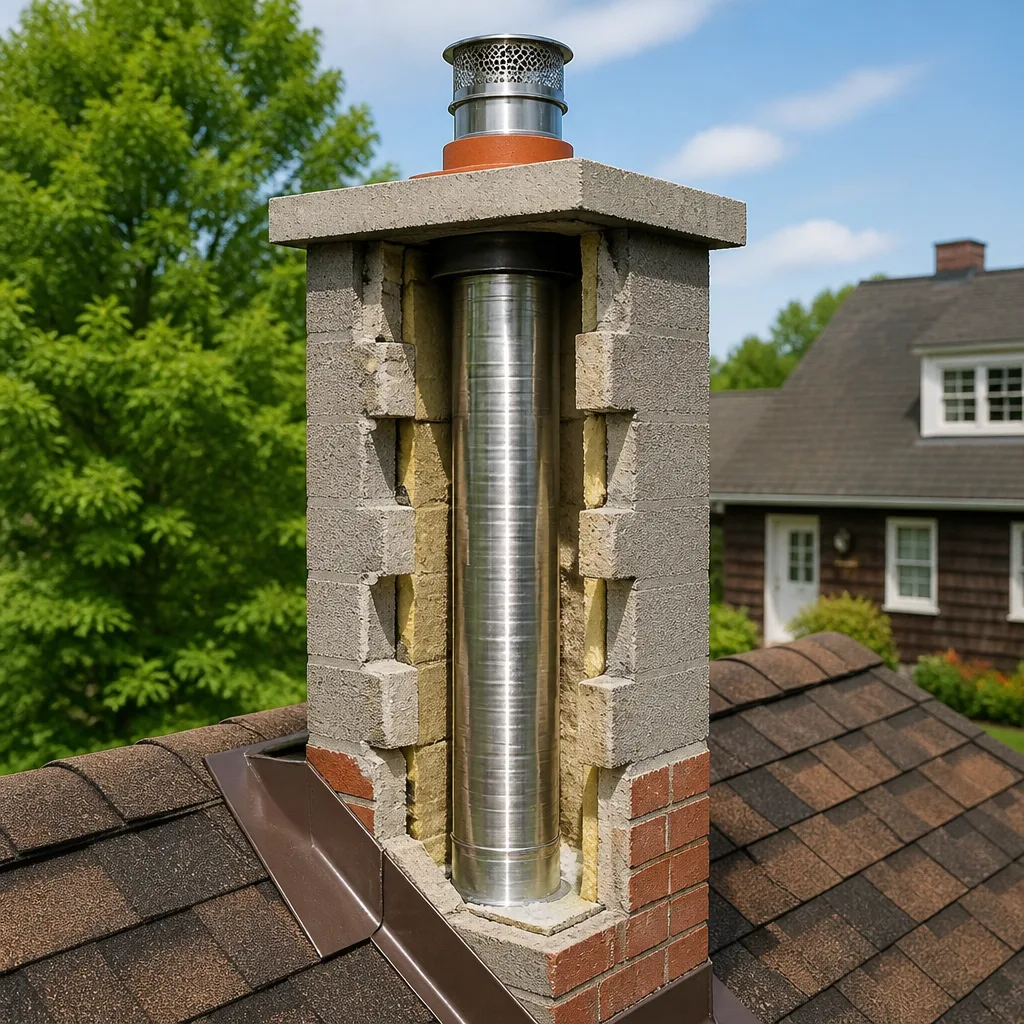 Flue relining
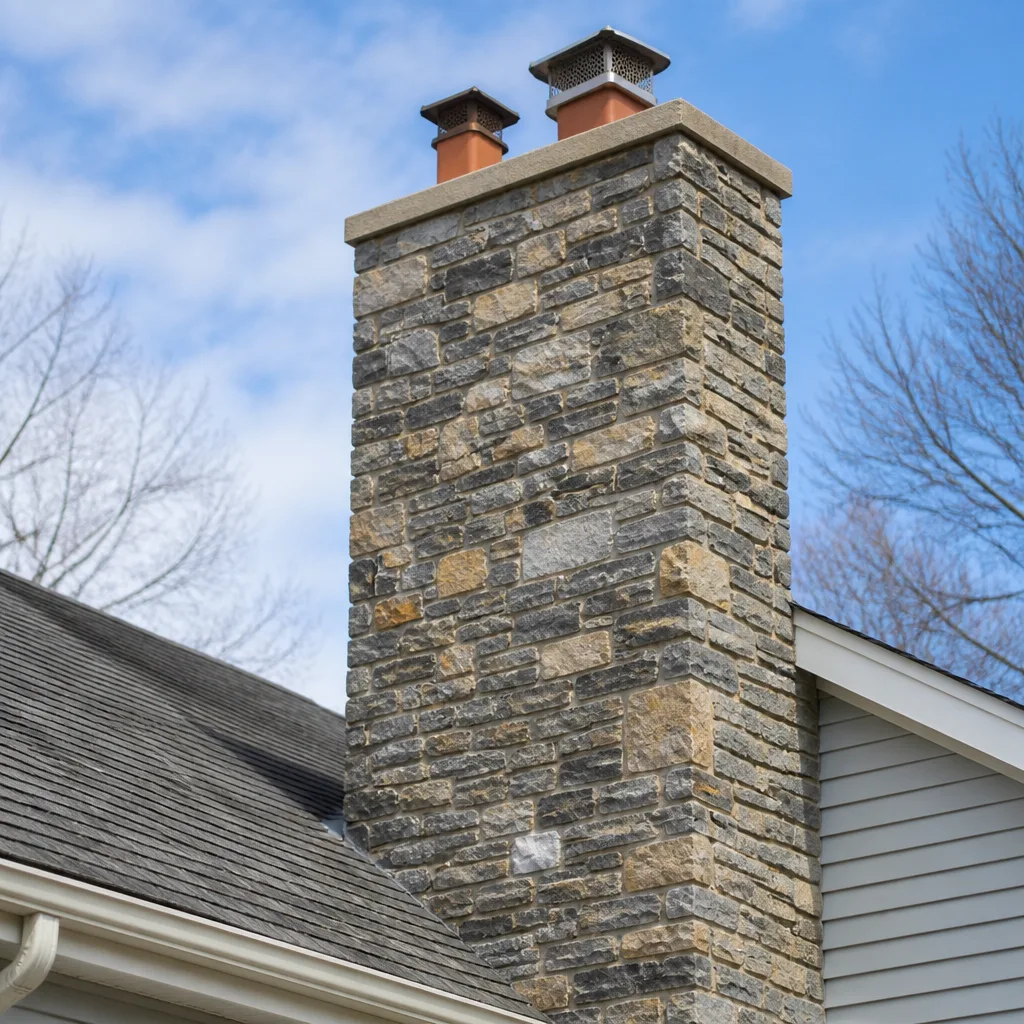 Masonry repair
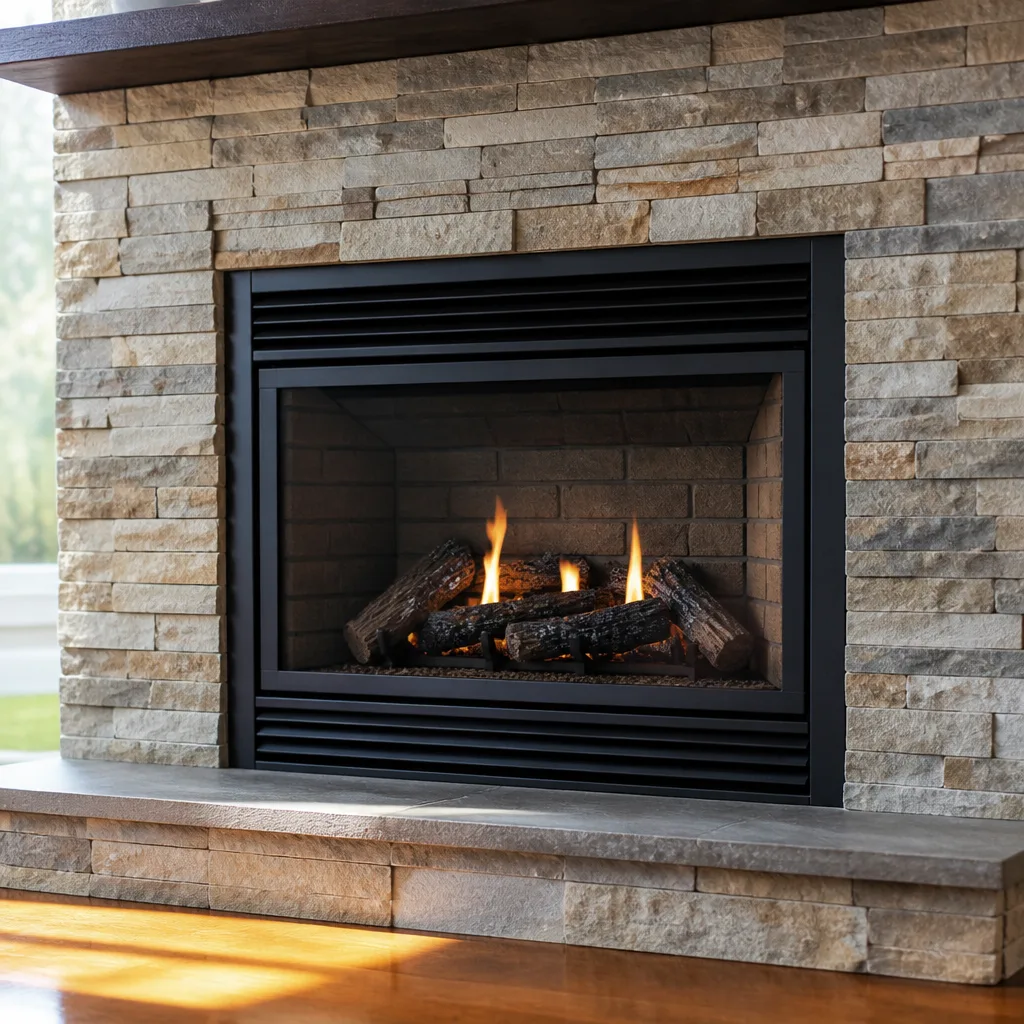 Gas fireplace service
Level 1 sweep and inspection to the NFPA 211 annual standard - flue, crown, cap, and flashing checked and photographed
Chimney sweep logs do not sweep chimneys. They loosen some creosote - which then falls where a brush and vacuum still have to collect it.
Chimney Sweep Troubleshooting in Raleigh: Common Problems and How to Fix Them
Smoke rolling into your living room doesn’t always mean the flue is dirty. A lot of the time it means your house is pulling harder on the chimney than the chimney can feed, and no amount of sweeping will change that. We hear the same handful of complaints again and again from homeowners around Raleigh – smoke that won’t go up, a fire that sulks, a smell that shows up in July, a rattle or roar that wasn’t there last winter. Each one points at a different part of the system. This guide maps the symptom to the cause, tells you which problems you can safely watch and which need a sweep before your next fire, and shows you how to document what you’re seeing so a technician can diagnose it faster. Less guessing, fewer unnecessary repairs.
Quick Answer
Most chimney problems in Raleigh trace back to one of five causes: a blocked or glazed flue, a cracked crown or damaged liner letting water in, negative pressure from a tightly sealed house fighting the draft, a damper or cap that isn’t doing its job, or creosote buildup from burning unseasoned wood. Smoke backing into the room is usually a draft or pressure problem, not just a dirty chimney. A level-two inspection with a camera tells you which one you’re dealing with before you spend money on the wrong fix.
Styles & brands we work with
- Sweep & inspection
- Caps & crowns
- Flue relining
- Masonry repair
- Gas fireplace service
Table of Contents
- Symptom to Cause: What Your Fireplace Is Telling You
- Why Smoke Rolls Into the Room (And Why Sweeping Won’t Always Fix It)
- The HVAC Pressure Problem in Tightly Sealed Raleigh Homes
- Clay Soil, Crown Cracking, and Water Getting In
- Odor, Noise, and Slow Draw: Three More Symptoms Decoded
- What You Can Safely Monitor vs. What Needs a Sweep
- How to Document Symptoms So Your Sweep Diagnoses Faster
- Repair Options: Resurfacing, Relining, and When a Rebuild Is Real
Symptom to Cause: What Your Fireplace Is Telling You
Chimney troubleshooting starts with reading the symptom correctly. Smoke spilling into the room, a fire that won’t draw, a smell that appears when the fireplace is cold, and a noise you can’t place are four different signals that point at four different failures. Get the symptom right and the diagnosis usually follows.
- Smoke rolling out of the firebox into the room – most often a draft or pressure problem: a flue that’s too cold, a house that’s too tight, or a chimney that’s too short for the appliance.
- Slow draw, lazy flame, smoke that hangs in the firebox – a partially blocked flue, a closed or partly closed damper, or a flue that’s undersized for the fire you’re building.
- Odor when there’s no fire – creosote or soot residue in the flue pulling moisture and smell back into the house, often on warm, humid days.
- Popping, ticking, or a roar – thermal expansion in a metal liner, a flue that’s overheating because of a heavy creosote load, or a damper that’s loose.
- Water stains, rust, or a musty smell near the chimney – a cracked crown, failed flashing, or missing cap letting rain into the masonry.
We’ve walked into plenty of Raleigh homes where the homeowner had already paid for a sweep and the smoke problem was still there. That’s usually a sign the first diagnosis stopped at “dirty flue” without going further. The right approach is a systematic check – flue condition, cap, crown, damper, and the pressure relationship between the house and the chimney – before anyone recommends work. A camera inspection with a photo report you can look at yourself is the fastest way to settle what’s actually going on. If you want the baseline service that most of these problems start with, our chimney sweep includes the inspection that surfaces the real cause.
Why Smoke Rolls Into the Room (And Why Sweeping Won’t Always Fix It)
Smoke rollout is the single most common complaint we get, and it’s also the most frequently misdiagnosed. A blocked flue is one cause. But a cold flue, a negative-pressure house, a chimney that’s too short, or an open window in the wrong room can all cause the same symptom. Sweeping only fixes the blocked-flue version.
Here’s the short list of causes for smoke rollout, in rough order of how often we find each one:
- Cold flue. The chimney is full of cold, dense air that the fire has to push out before it can draft. Warming the flue with a rolled newspaper torch for a minute before lighting the fire usually solves this.
- Negative pressure in the house. A bathroom fan, kitchen exhaust, or HVAC return is pulling harder than the chimney can. More on this in the next section.
- Partially blocked flue. Creosote, a bird nest, or a collapsed liner tile is narrowing the passage. No amount of draft can overcome a blocked flue – this one needs a sweep.
- Chimney height. A chimney that ends too close to the roofline, or that’s shadowed by a taller structure, can struggle to draft on calm days. This is a design problem, not a cleaning problem.
- Oversized fire for the flue. A roaring fire in a small firebox overwhelms a narrow flue. Small, hot fires on a bed of ash draw better than a big pile of wood.
Step one for any homeowner is to rule out a blocked flue. If the chimney hasn’t been swept in a season or two, book a cleaning and an inspection first. If the flue comes back clean and the smoke still rolls, you’re dealing with pressure or design, and that’s a different conversation. Our Raleigh Chimney Cleaning service includes a camera inspection so you know which bucket you’re in.
The HVAC Pressure Problem in Tightly Sealed Raleigh Homes
This one is worth its own section, because it’s the cause most homeowners have never heard of and the one that wastes the most money on unnecessary sweeps. A house built or retrofitted to be airtight doesn’t let enough outside air in to feed the chimney. The chimney needs to pull air from somewhere. In a tight house, it competes with the HVAC system, bathroom fans, and kitchen exhaust, and it usually loses.
Here’s the mechanism, plainly. Every fire needs air. In an older house, that air leaks in around doors and windows. In a newer or well-sealed house, the envelope is tight enough that pulling air up the chimney creates negative pressure inside the living space. The chimney starts sucking air down instead of pushing smoke up. You get smoke in the room even though the flue is perfectly clean.
Signs that pressure, not cleanliness, is your problem:
- Smoke rolls out mostly on windy days, or when the kitchen or bathroom exhaust fan is running.
- The fire draws fine with a window cracked open and smokes with the window closed.
- The problem started after a renovation that tightened up the house – new windows, new doors, spray foam in the attic.
- The furnace or HVAC runs and the smoking gets worse.
The fix isn’t another sweep. It’s usually a make-up air strategy: a dedicated outside air intake for the firebox, a slightly open window near the fireplace when the fire is running, or in some cases a chimney fan or draft-inducing cap. The important point is that a technician should check pressure before recommending repairs. If your last sweep told you the flue was clean and the smoke continued, ask specifically about pressure. It’s a Raleigh-specific issue in newer subdivisions, and it’s the reason we do a full-system look on every job. Our Raleigh service area covers a lot of tighter, newer construction where this is the number-one cause of smoke complaints.
Clay Soil, Crown Cracking, and Water Getting In
A cracked chimney crown is the most common structural problem we find in Raleigh, and homeowners rarely notice it until water has already found its way in. The crown – the concrete cap at the top of the masonry chimney – is meant to shed water away from the flue and the brick. When it cracks, water goes straight into the masonry, down the flue, and into the house.
Why is crown cracking more common in Raleigh than homeowners expect? The clay-heavy soil around here shifts with moisture. Wet winters and hot, dry summers cause the ground under the chimney footing to move, and a masonry chimney that’s tied to a moving foundation tends to develop cracks at the crown and along the mortar joints. It isn’t a dramatic failure you can see from the yard unless you’re looking. It’s a hairline crack that widens over a few seasons and lets a little water in with every rain.
How to spot it before water gets in:
- Water stains or a dark, damp patch on the chimney breast in the room below.
- Rust around the damper or firebox – a sign moisture is reaching the metal components.
- White, powdery staining on the exterior brick (efflorescence) – a sign moisture is moving through the masonry.
- Spalling brick: the face of a brick flaking off, usually near the top of the chimney.
- A musty smell in the room when the fireplace is cold.
A cracked crown is a repair, not a rebuild. Our shop stocks Gelco and Olympia Chimney crown and cap materials specifically because the fix has to last through the wet-then-dry swing this area sees every year. A cosmetic patch from a big-box tube won’t hold through a Raleigh winter. If you’re seeing water stains, a camera inspection inside the flue plus a look at the crown are both part of the same call – one roof, one diagnosis. For the fireplace side of the system, our chimney sweep covers the flue; the crown gets checked in the same visit.
Odor, Noise, and Slow Draw: Three More Symptoms Decoded
The three symptoms people ask about most, after smoke rollout, are chimney odor, unexplained noise, and a fire that just won’t draw. Each points at a different set of causes.
Odor when there’s no fire
A cold chimney that smells like soot or ash is usually holding creosote residue that draws moisture from the air on warm, humid days. The residue softens and releases smell. This is common in Raleigh in late spring and summer. A sweep clears the residue, and a cap keeps rain and animals out. If the smell is sharp and chemical, get it checked before you light another fire – creosote that smells acrid is worth looking at closely.
Noise: popping, roaring, ticking
A roar usually means a fire is running hotter than the flue can handle. A heavy creosote load in the flue can ignite and roar – a chimney fire. Ticking or popping from a metal liner is often just thermal expansion in a well-made stainless liner as it heats. If the noise is loud and sudden and the fire burns hotter than usual, treat it as a chimney fire and keep an extinguisher handy. Once the fire is out, don’t relight until the flue is inspected.
Slow draw
A fire that burns but doesn’t pull usually means a partial blockage: creosote, a bird nest, a collapsed flue tile, or a damper that isn’t opening fully. Slow draw and smoke rollout share the same short list of causes. The difference is how far the smoke gets – slow draw keeps it in the firebox, rollout pushes it into the room.
All three complaints point to the same starting point: a real inspection, not a guess. A camera inspection tells you whether the flue is blocked, cracked, or clear in minutes. When we find damage, we repair it – we don’t hand you a list and leave. A damaged flue gets resurfaced with HeatShield where the liner is still sound enough to restore, or relined with DuraFlex where it isn’t. We stock those brands because they’re what a repair has to be built from to hold up.
What You Can Safely Monitor vs. What Needs a Sweep
Not every symptom is a call-us-now emergency, and not every one can wait. Here’s the split we give homeowners so they know where the line is.
You can safely watch these:
- Minor smoke rollout that happens only on cold starts and clears once the flue warms.
- Occasional popping or ticking from a metal liner that stops once the fire is established.
- A faint soot smell on warm days when the fireplace has been unused for weeks.
- Slow draw that improves when you open a window near the fireplace.
Call a sweep before your next fire for these:
- Smoke that rolls into the room with every fire, even after a sweep.
- Water stains, efflorescence, spalling brick, or rust at the damper.
- Any roaring or popping sound that’s louder than normal, especially if it comes with a hotter-than-usual fire.
- Slow draw that doesn’t improve with a warm flue and an open window.
- A flue that hasn’t been inspected in two seasons or more.
- Any sharp chemical smell, or a smell that shows up in a room other than the fireplace room.
The rule we give homeowners: if the symptom goes away once the fire is established and comes back only on cold starts, watch it. If it’s there every fire or it involves water, noise, or smell, call. The same applies to the other half of the hidden fire hazard in most homes – the dryer vent. A clogged dryer vent is a real fire risk, and it hides behind the dryer where no one looks. It’s worth booking the dryer vent cleaning in the same visit as a chimney sweep; two systems, one trip up the ladder and one trip down the hall.
How to Document Symptoms So Your Sweep Diagnoses Faster
The fastest way to a correct diagnosis is to arrive at your sweep’s visit with evidence. We ask homeowners to collect four things, and it shaves time off the visit and helps rule out causes before anyone lights a camera.
- A short video of the symptom. Thirty seconds is plenty. Film the moment the smoke rolls into the room, or the fire struggling to draw. The angle matters – film from where you actually sit.
- A note of when it happens. Cold start, established fire, or all the time? Wind, rain, or calm? Kitchen fan on or off? HVAC running or not? Each answer rules out a cause.
- The weather and the house state. A line about recent weather (cold snap, wind direction, humid day) plus anything that’s changed in the house – new windows, a renovation, a new HVAC unit – tells us whether pressure or structure is the likely culprit.
- A photo of the chimney from outside. Stand back from the house and shoot the whole chimney, then a second shot from below looking up. Crown cracks, spalling, and missing caps show up clearly from that angle.
Bring all four and the technician can usually skip the exploratory portion of the visit. That’s a faster, cheaper diagnosis, and it’s a smarter conversation – you’re not paying for someone to re-discover what you already saw. We bring a camera inspection and a photo report on every job, so you walk away with visual evidence of what the diagnosis is. Nothing gets recommended that you can’t see for yourself.
Repair Options: Resurfacing, Relining, and When a Rebuild Is Real
Once the diagnosis is clear, the repair conversation is usually straightforward. Most chimney problems in Raleigh fall into one of three buckets, and only one of them is a rebuild.
Resurfacing a damaged flue liner. A hairline crack or spalling in the flue liner doesn’t always mean a full reline. HeatShield ceramic resurfacing restores a liner that’s still structurally sound by smoothing and sealing the interior surface. It’s the middle-ground option between “do nothing” and a full replacement, and it’s the repair sweep-only operators can’t offer because they don’t carry the materials.
Relining a complex or aging chimney. When the flue has bends, offsets, or masonry too old to accept a rigid liner, a DuraFlex flexible stainless liner is the way through. It’s the same class of product professional chimney crews install across the country, and it’s the reason we keep it in stock rather than referring the job out.
A real rebuild. A rebuild is the right call when the masonry itself is failing: the crown is gone, the brick is spalling throughout, or the chimney isn’t safe to line. We’ll say so when it’s the case, and we’ll say plainly when work can safely wait. If a flue is sound and the crown is intact, we tell you to hold off rather than sell work you don’t need.
Our repair materials come from the brand roster we carry on hand – DuraFlex, HeatShield, Olympia Chimney, Famco, and Copperfield among them – because a repair has to be built from professional-grade components to hold up through the wet-dry swing this area sees every year. We also carry Gelco. When we recommend a repair, the material is already in the shop, not on order from a distributor.
Common Mistakes to Avoid
- Sweeping a pressure problem. If smoke rolls into the room every fire and the flue is clean, sweeping again won’t help. Rule out negative pressure and short chimneys before you pay for a second cleaning.
- Patching a crown with a big-box tube. A cosmetic patch from a hardware-store tube won’t hold through a Raleigh winter. Crown repair needs a proper material that can move with the masonry as the ground shifts.
- Burning unseasoned wood to “get the flue hot.” Green wood throws moisture into the flue and forms creosote faster. Seasoned wood and a warm flue are the combination that draws, not a hotter fire on wet wood.
- Ignoring water stains until spring. A water stain on the chimney breast is a sign water is already inside the masonry. Waiting for warmer weather gives it a whole season to work through the brick and reach the damper.
- Skipping the dryer vent. A clogged dryer vent is the other hidden fire hazard in the house, and it’s the one most homeowners never think about. If the chimney gets checked, the vent should get checked too.
- Treating a chimney fire as “fine now.” A roaring, popping fire that burns hotter than usual is a chimney fire. Even if it goes out on its own, the flue needs an inspection before the next fire – a chimney fire can crack a liner.
- Believing a single-service sweep can also fix what it finds. A sweep-only operator will inspect, flag problems, and leave you to find someone else to repair. Ask before you book whether the same crew can do the repair.
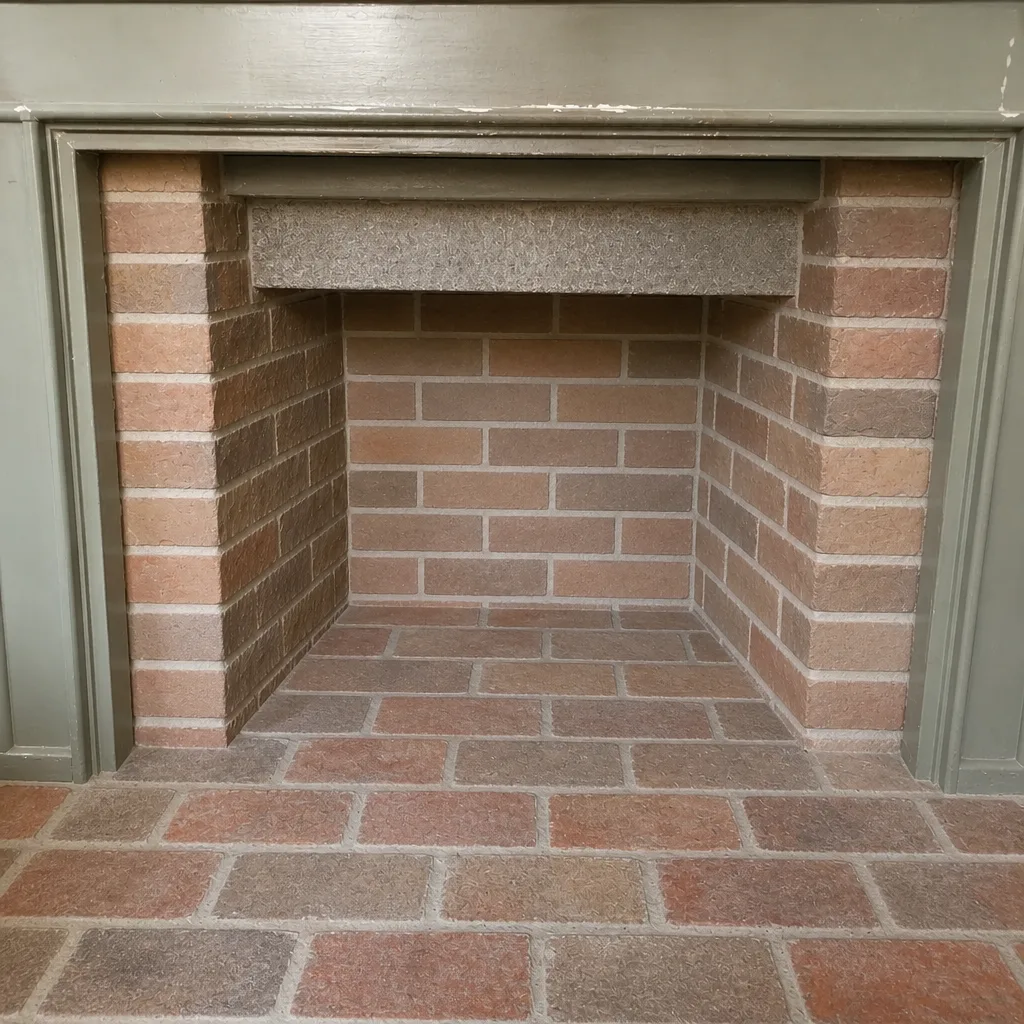
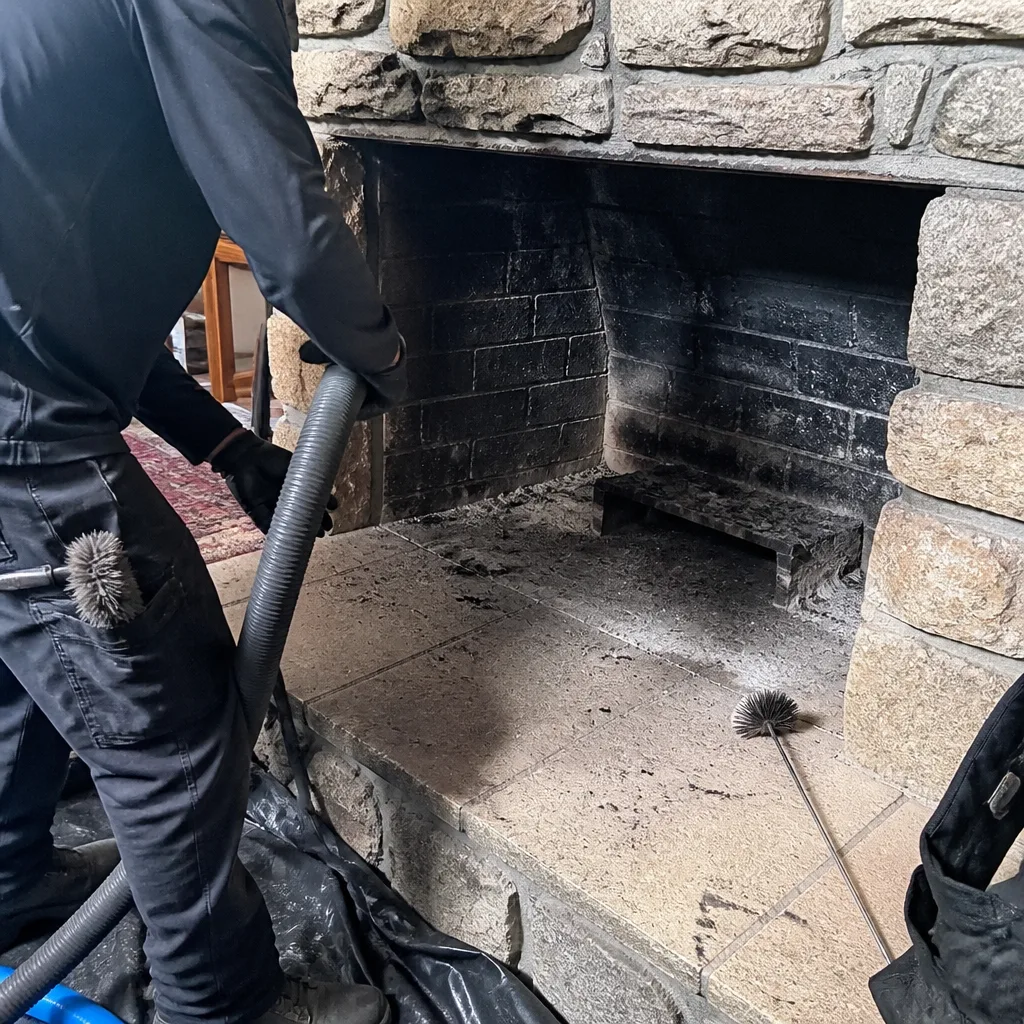
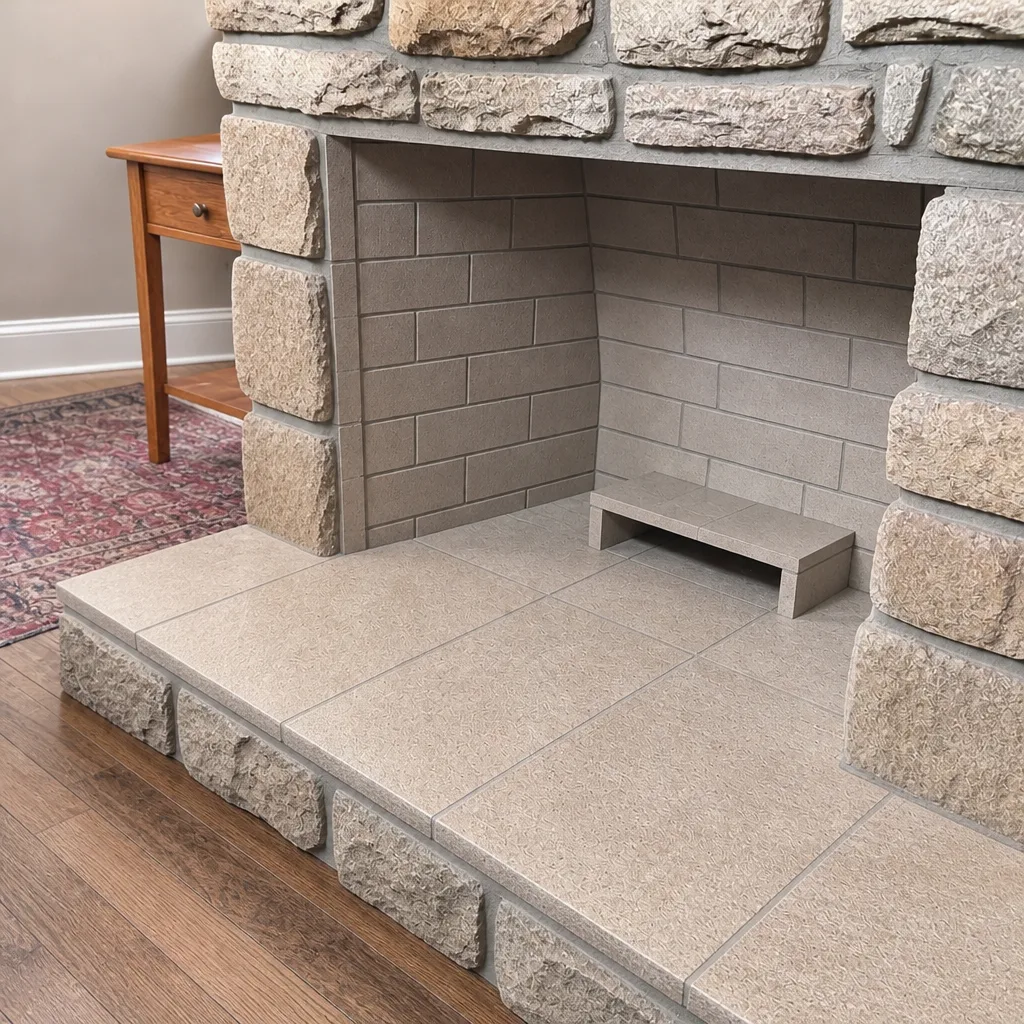
See the difference
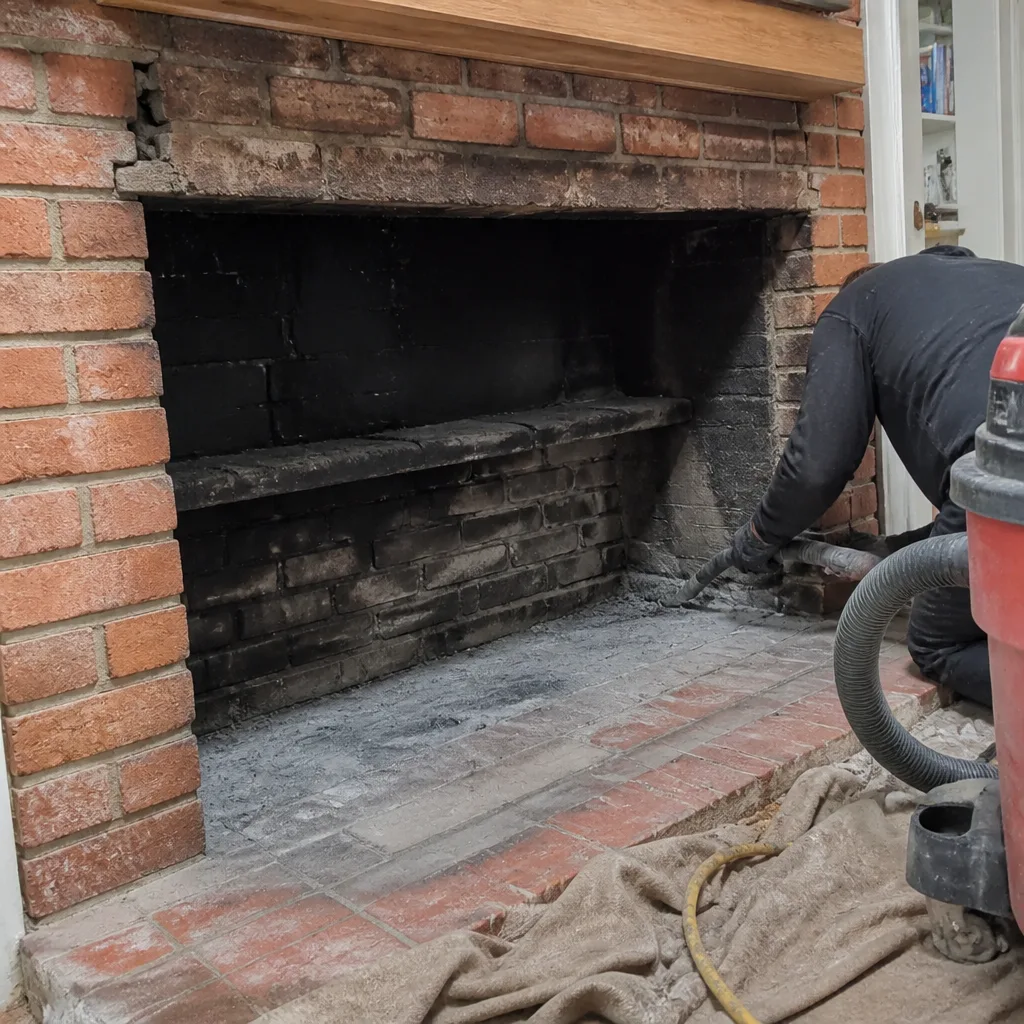 Before
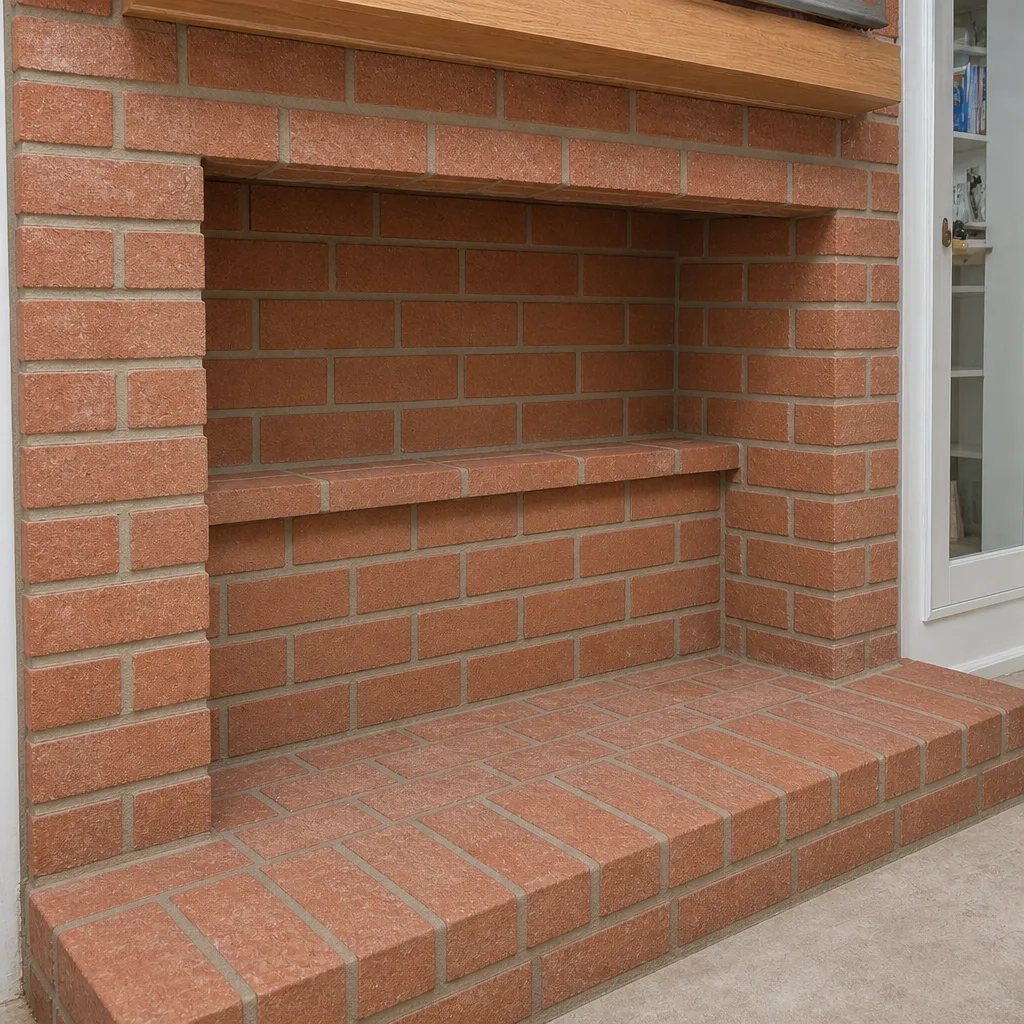 After
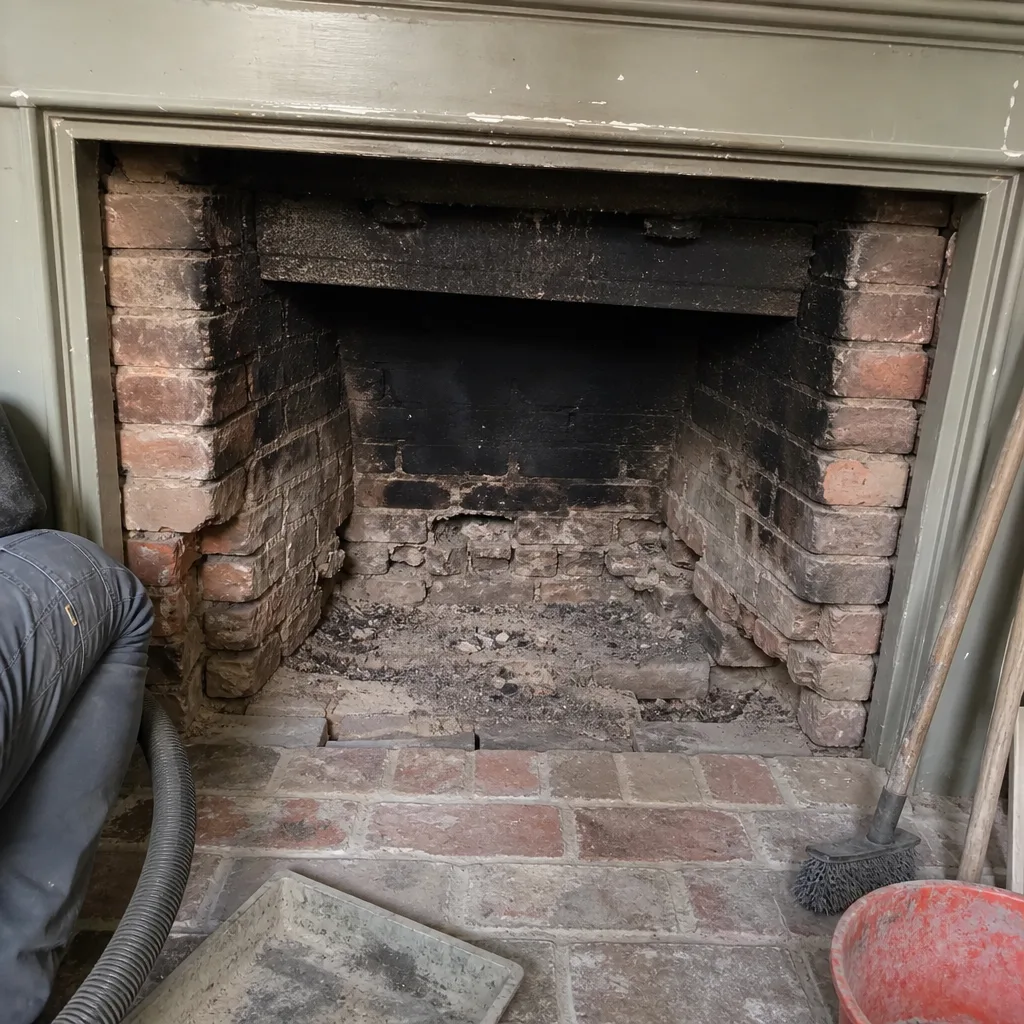 Before
 After
 Before
 After
When to Call a Professional
Call a professional when the symptom shows up with every fire, when there’s water, noise, or a sharp smell, or when your flue hasn’t been inspected in two seasons. Call when the smoke doesn’t clear once the flue is warm, or when the fix from last time didn’t hold. Those are all signs the diagnosis wasn’t complete. And call if you’re unsure – a camera inspection settles it in one visit, and you’ll leave with a photo report you can see yourself. We repair what we find, so there’s no handoff to a second contractor who has to start over. Raleigh Chimney Cleaning offers free estimates in Raleigh – call (833) 304-2125. We answer 24/7. Fast dispatch from 7am to 7pm, Sunday through Friday.
Frequently Asked Questions
Smoke coming into the house usually means the flue isn’t drafting, and the two most common causes are a blocked flue and negative pressure from a tightly sealed house. A cold flue, an oversized fire for the flue, or a chimney that’s too short can also cause it. Start by checking whether the smoke clears once the flue is warmed and a window near the fireplace is cracked open. If it does, you’re looking at pressure, not a dirty chimney. Call (833) 304-2125 for an exact diagnosis – estimates are free.
Most used fireplaces need a sweep once a year, and every flue should get an inspection at that interval regardless of how often the fireplace is used. If you burn more than a cord of wood a season, or you notice slower draw, book sooner. A camera inspection is the only reliable way to know how much creosote has built up in a flue you can’t see. Call (833) 304-2125 to book a sweep and inspection – estimates are free.
Skipping a sweep lets creosote build up in the flue until the risk of a chimney fire rises, and it lets small problems – a cracked crown, a spalling tile, water reaching the damper – go unnoticed for another season. A chimney fire can crack a liner and open a path for combustion gases into the house. The fix is a sweep and a camera inspection before the next fire. Call (833) 304-2125 for an exact quote – estimates are free.
Resurfacing is enough when the liner is structurally sound but has hairline cracks or surface spalling, and a full reline is the right call when the liner has failed or the flue is too damaged to restore. The only way to know is a camera inspection, and we don’t recommend either option without showing you what the camera sees. HeatShield ceramic resurfacing is available as the middle-ground repair. Call (833) 304-2125 for an exact quote – estimates are free.
A chimney that smells in summer is usually holding creosote or soot residue that draws moisture from the humid air and releases it as smell. The fix is a sweep to clear the residue plus a cap to keep rain and animals out. If the smell is sharp or chemical, get it checked before you light another fire. Call (833) 304-2125 – estimates are free.
Yes. Lint builds up in the vent and can ignite when the dryer runs hot, and it’s the same class of hidden fire hazard as a dirty flue. Most homeowners never look behind the dryer, which is why it’s worth booking with the chimney sweep. We handle dryer vent cleaning in the same visit. Call (833) 304-2125 to book both – estimates are free.
The Bottom Line
Most chimney problems have a specific, diagnosable cause, and the fix depends on getting the symptom right. Smoke that rolls into the room, a fire that sulks, a summer smell, a pop or roar – each points at a different failure, and only some of them are solved by sweeping. The two most overlooked causes in Raleigh are negative pressure in a tightly sealed house and crown cracking driven by clay soil movement. Documentation helps: a short video, a note on timing and weather, and a photo of the chimney from outside shave time off the diagnosis. And the other hidden fire hazard is the dryer vent, which deserves the same attention as the flue. When the diagnosis is unclear, a camera inspection settles it with evidence you can see. We repair what we find, so a sweep and a repair stay with the same crew.
Call (833) 304-2125 for a free estimate. We answer 24/7. Fast dispatch from 7am to 7pm, Sunday through Friday.
Written by the team at Raleigh Chimney Cleaning, serving Raleigh since 2013.