
Last updated November 14, 2026
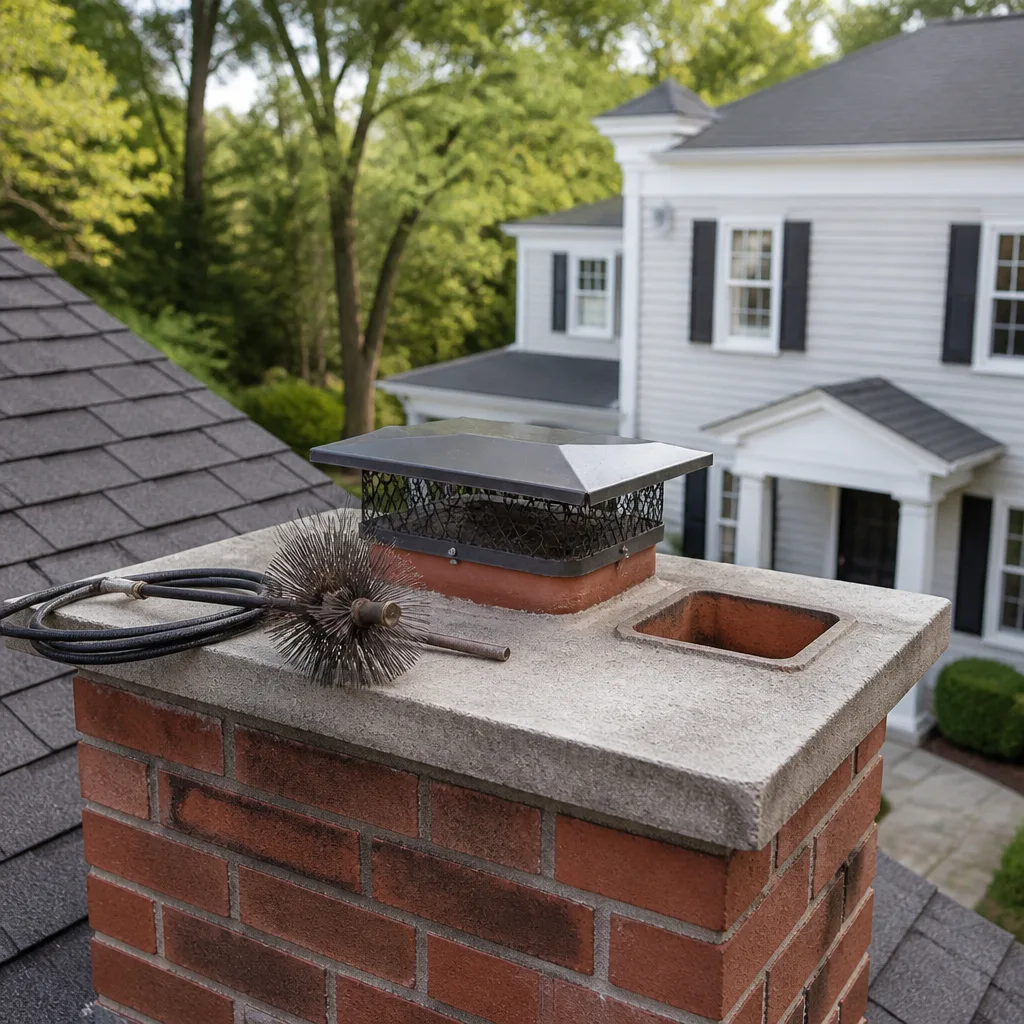 Sweep & inspection
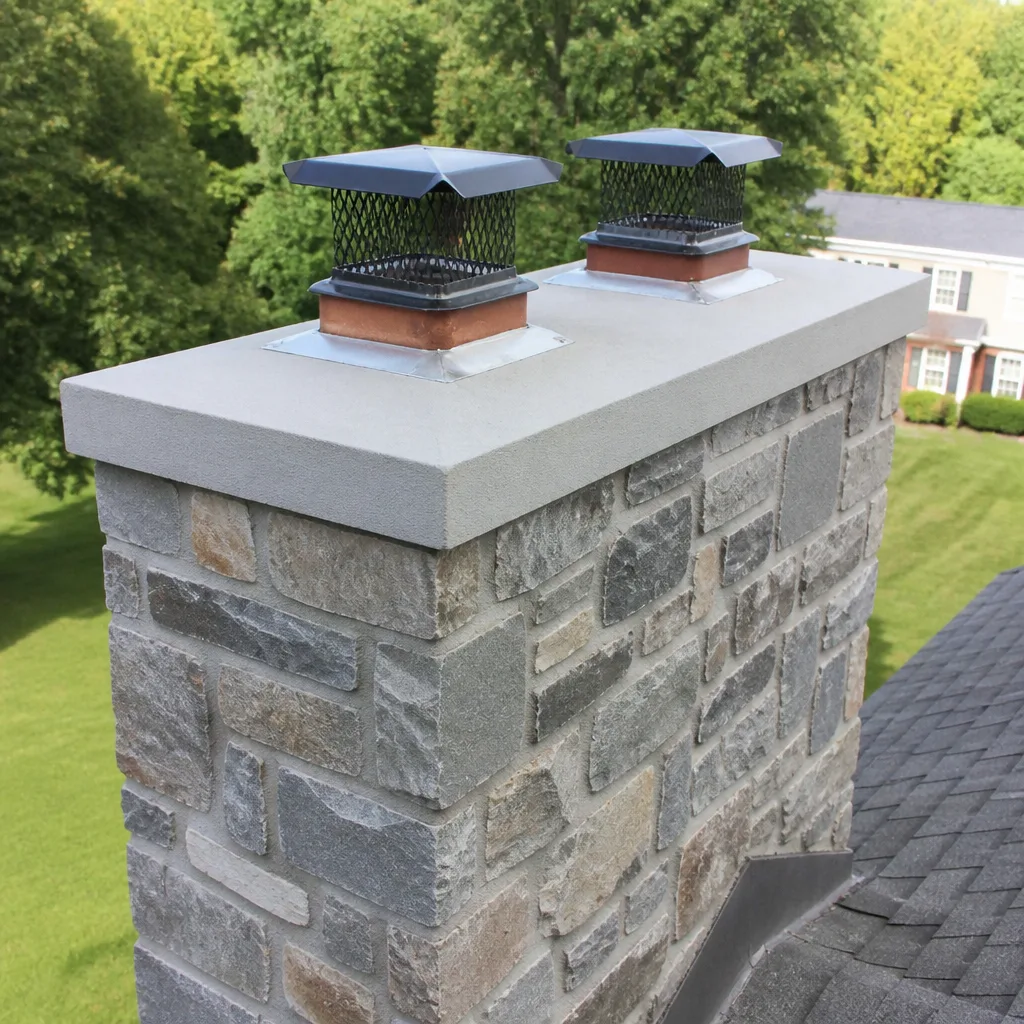 Caps & crowns
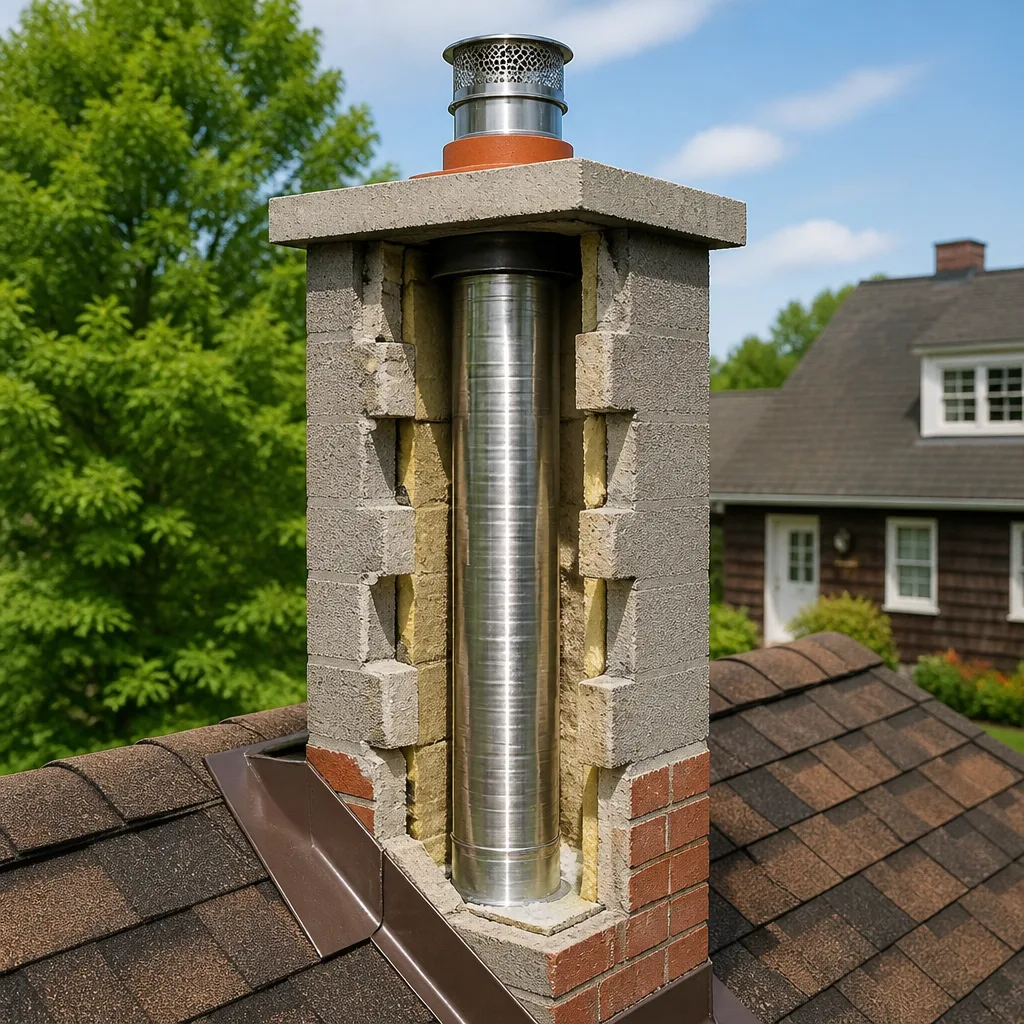 Flue relining
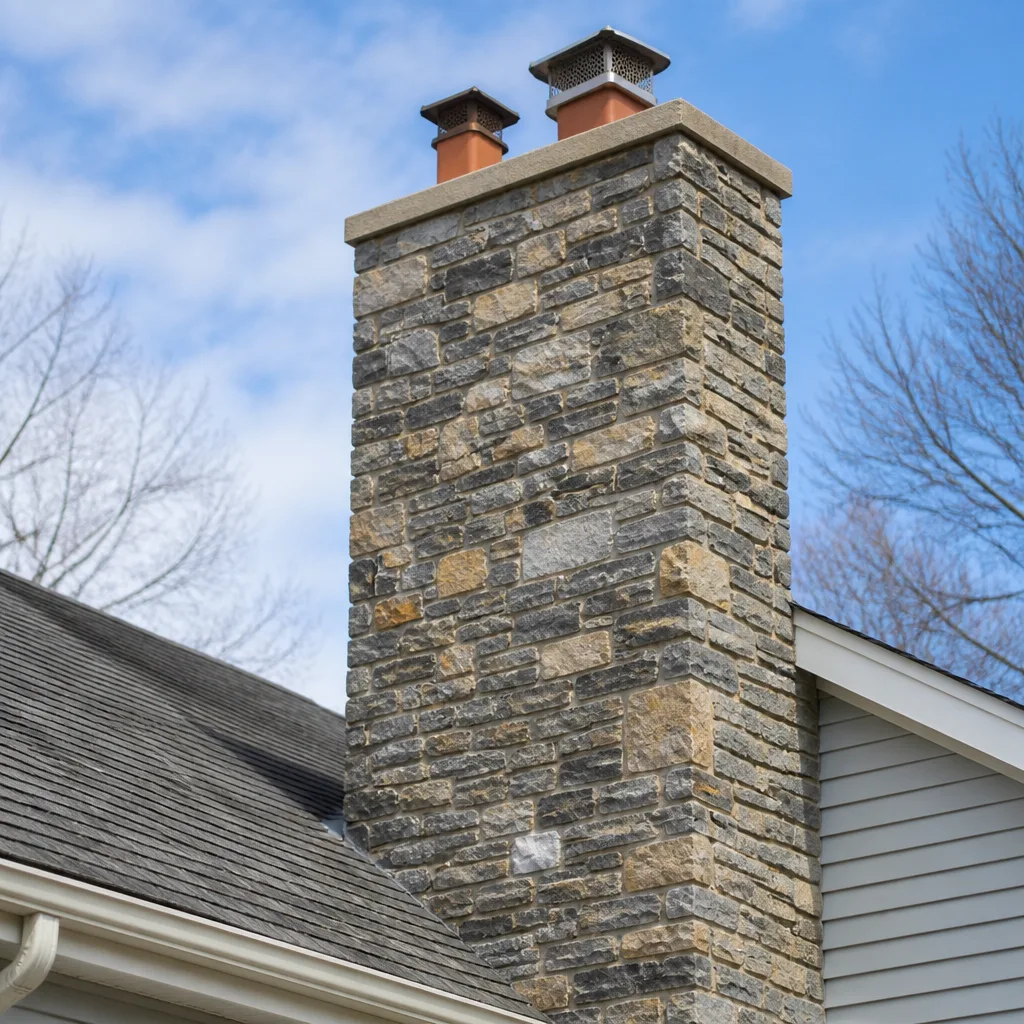 Masonry repair
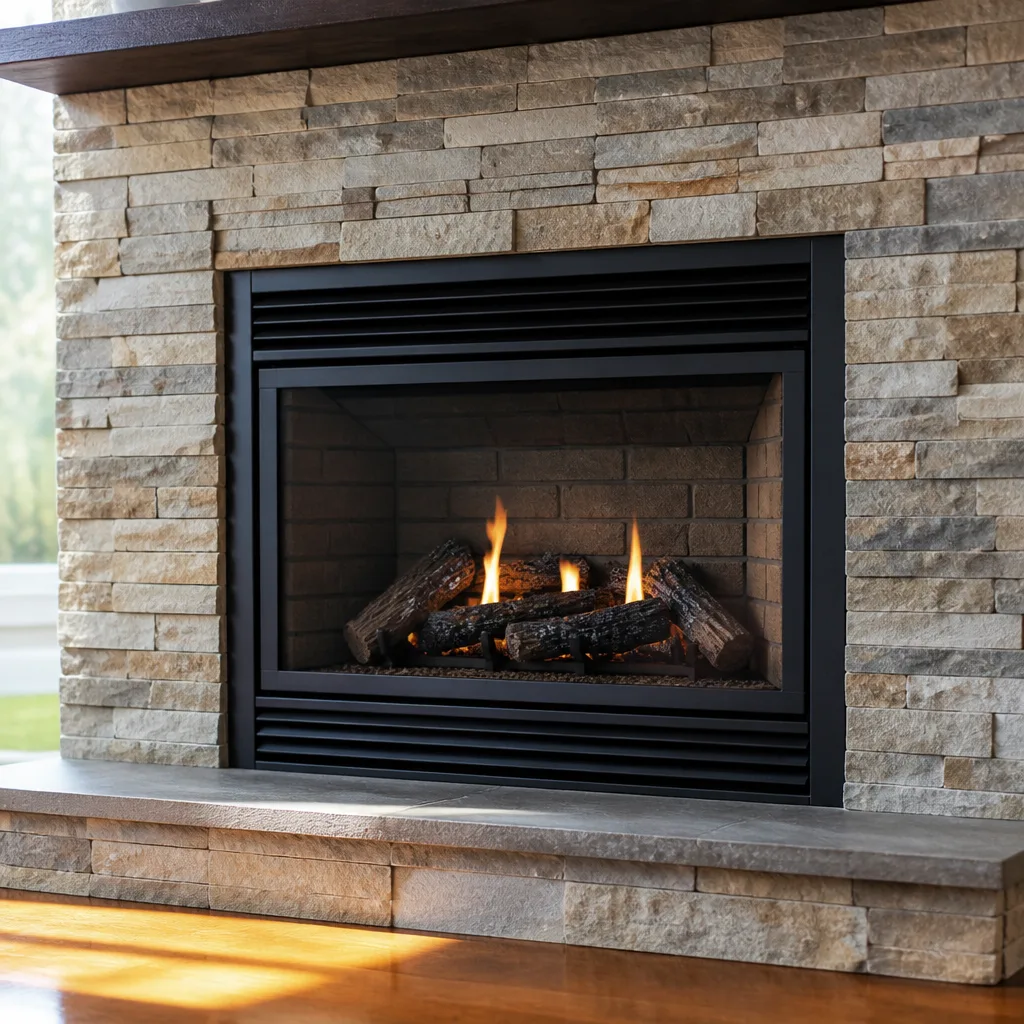 Gas fireplace service
Level 1 sweep and inspection to the NFPA 211 annual standard - flue, crown, cap, and flashing checked and photographed
Chimney sweep logs do not sweep chimneys. They loosen some creosote - which then falls where a brush and vacuum still have to collect it.
Chimney Sweep Maintenance Schedule: What to Do and When
If you burned more than two cords of wood last winter, waiting until next fall for an inspection isn’t annual maintenance. It’s a gamble. The standard advice to sweep once a year is a floor, not a ceiling, and it ignores the things that actually decide how much creosote builds up in your flue and how fast. Fuel type matters. How hard you run the fireplace matters. The age and construction of the chimney matters too, and in Raleigh those range from mid-century brick ranches to newer homes with factory-built systems. This guide lays out a maintenance schedule based on how you actually burn, walks through the Raleigh climate cycle month by month, and covers the years when you barely touch the fireplace, because those years have their own risks. You’ll finish knowing what to do and when.
Styles & brands we work with
- Sweep & inspection
- Caps & crowns
- Flue relining
- Masonry repair
- Gas fireplace service
Quick Answer
Sweep and inspect your chimney once a year if you burn occasionally, and add a mid-season sweep once you pass about two cords of wood or roughly 50 to 60 fires in a season. Schedule the inspection in spring, right after the heating season, so moisture damage gets caught before summer, then book the pre-season sweep in September before your first fire. Gas logs need an annual inspection too, and pellet stoves need the vent cleaned more often than most people think.
Table of Contents
- Why an Annual Sweep Is the Minimum, Not the Whole Schedule
- Usage-Based Thresholds: When You Actually Need a Mid-Season Sweep
- Different Fuels, Different Schedules
- Raleigh’s Climate Cycle and Your Chimney
- A Month-by-Month Task List for Raleigh Homeowners
- The Years You Barely Used the Fireplace
- What a Proper Inspection Covers
- Common Mistakes to Avoid
- When to Call a Professional
- Frequently Asked Questions
- The Bottom Line
Why an Annual Sweep Is the Minimum, Not the Whole Schedule
The old rule of sweeping once a year exists for a good reason: creosote accumulates, and creosote is what feeds a chimney fire. But the rule treats every household the same, and households aren’t the same. A family that lights a fire on cold evenings and burns a cord of seasoned oak has a very different flue from someone running a wood stove as primary heat through a long winter. The fire-safety guidance most sweeps work from is based on accumulation, not the calendar. When a flue builds up enough creosote, it needs cleaning. The calendar is just a convenient way to remember to check.
That’s why we think of the annual sweep as the baseline and build the rest of the schedule around how you burn. For a home in Raleigh that uses the fireplace occasionally, one inspection and sweep a year is genuinely enough. For heavier use, a mid-season sweep earns its keep. And for the years when the fireplace sits idle, the annual inspection still matters, just for different reasons: water, animals, and crumbling mortar don’t wait for you to light a fire.
If you’re new to the process and want to know what a routine visit actually involves, our guide to chimney sweep service explains the steps. What follows is about timing.
Usage-Based Thresholds: When You Actually Need a Mid-Season Sweep
Here’s the benchmark we suggest, and it’s the part most guides leave out. Instead of asking “has it been a year?”, ask “how much have we burned?”
- Occasional use (under one cord, or fewer than about 25 fires): one annual sweep and inspection in spring is enough.
- Regular use (one to two cords, or 25 to 60 fires): annual sweep is the floor. Have the flue checked in spring and swept in fall.
- Heavy use (more than two cords, or 60-plus fires): book a mid-season sweep around the midpoint of your burning season, in addition to the pre-season sweep. Creosote can reach problem levels well before a year passes at this volume.
- Wood as primary heat: treat the chimney like a working appliance and have the flue checked every few months through the season.
Two more things shift the threshold. Burning unseasoned or “green” wood produces far more creosote per cord than dry, seasoned firewood, so a heavy user burning wet wood should sweep sooner. And a cold exterior chimney, common on older brick homes, tends to run cooler flue gases, which means more condensation and faster buildup. If your chimney sits on an outside wall, lean toward the more frequent end of these ranges.
How to Judge Your Own Creosote
You don’t need a tool to make a rough call. When a professional sweeps, ask what they found and where the buildup sits. Glossy, hardened creosote is the kind that matters most, and it forms fastest in the upper flue. If a sweep reports heavy buildup, shorten the interval next season rather than waiting for the same point in the calendar.
Different Fuels, Different Schedules
Most guides treat every fireplace the same. They shouldn’t. The fuel you burn changes what accumulates in the flue, how often it needs attention, and what kind of inspection makes sense.
Wood-Burning Fireplaces and Inserts
Wood produces creosote and ash, and both need regular removal. This is the fuel type where the cord and fire-count thresholds above apply most directly. Annual sweep plus a mid-season sweep for heavy use, with the venting and flue checked for buildup at every visit.
Gas Logs and Gas Fireplaces
Gas doesn’t produce creosote, so you might assume there’s nothing to inspect. But gas logs still need an annual inspection. The venting can clog with debris, nests, or deteriorated material, and a vented gas appliance that can’t exhaust properly is a carbon monoxide concern. We also check the logs, connections, and the condition of the firebox. Annual is the right interval here, not skipped because “it’s just gas.”
Pellet Stoves
Pellet stoves burn cleanly and produce less creosote than wood, but their venting is smaller and bends more easily, which means ash and residue collect faster. Most pellet stoves need the vent cleaned more often than once a year, especially through a heavy heating season. Ash traps and the firebox get cleaned more often still. If a pellet stove is your main heat source in Raleigh, plan on at least one vent cleaning mid-season in addition to the annual service.
Dryer Vents Are Part of the Same Routine
The clothes dryer is the other hidden fire hazard in a lot of homes, and its vent needs cleaning about once a year too, or more often in a busy household. Pairing dryer vent cleaning with your chimney service means one appointment handles both. We handle both under one roof.
Raleigh’s Climate Cycle and Your Chimney
Raleigh’s weather does specific things to a chimney, and a maintenance schedule should account for them. The heating season is long enough to matter but not brutal. What follows is the harder part: warm, humid summers, plenty of spring rain, and a shoulder season in between when the chimney sits idle while the weather works on it.
Summer humidity is the quiet problem. Masonry is porous, and a chimney that took on moisture during spring rain holds it through the humid months. That moisture drives spalling, where the face of a brick or the mortar joint flakes and crumbles, and it corrodes metal components. A spring inspection catches cracks in the crown or flashing before a whole summer of moisture gets inside and compounds the damage. Catching a hairline crack in May is a small repair. Finding it in October is often not.
The other local factor is wildlife. A warm climate and an open flue are an invitation. Birds, squirrels, and raccoons nest in uncapped chimneys across the region, and a nest blocks the flue or, once it dries, becomes fuel sitting in your chimney. That’s why a cap inspection belongs in the spring routine, not just fall.
Raleigh’s housing stock adds a third layer. Older brick homes often have clay tile flues that crack with age and thermal cycling. Newer homes may have factory-built systems with their own clearances and venting requirements. Both need inspection, but the failure points differ. In our experience, the cracked tile is the one that surprises people, because a cracked flue liner lets combustion gases into the home. That’s the finding that matters most, and it’s why spring inspections are worth doing even after a clean sweep.
A Month-by-Month Task List for Raleigh Homeowners
Here’s the schedule we’d suggest for a home that uses its fireplace regularly. Adjust for heavy or light use, but keep the order.
- March (end of the heating season): Book the annual inspection and sweep. Have the flue, firebox, crown, and cap checked for cracks, and get creosote cleaned so it doesn’t sit all summer.
- April: Check the chimney cap and spark screen for winter damage and animal activity. Confirm the cap is intact and the flue is covered.
- May: Look at the exterior: mortar joints, flashing where the chimney meets the roof, and the crown on top. Arrange any masonry repair now, before the humid months.
- June through August: The chimney sits idle, but the weather doesn’t. Watch for signs of moisture inside (staining, a musty smell, crumbling mortar), and have any liner concern addressed while the schedule is open.
- September: Book the pre-season sweep before the first fire. This is also when you stock and stage firewood, and when you confirm the cap is secure.
- October: First fires of the season. Burn dry, seasoned wood and keep an eye on draft.
- November through January (heavy-use months): If you cross the two-cord mark, schedule the mid-season sweep. Keep creosote from building to a level you’ll find in spring.
- February: Check toward the end of the season. If you’re burning heavily, a late-winter sweep keeps the flue clear for the last cold weeks.
The pattern is simple: inspect and clean in spring, protect against moisture through summer, and get ahead of the season in September. Once you’ve done it a couple of years, it becomes a rhythm.
The Years You Barely Used the Fireplace
A year with a mild winter and a handful of fires can tempt you to skip the inspection. Don’t. Infrequent use creates its own set of problems, separate from creosote.
- Animal intrusion: An idle chimney is prime real estate. Nests block the flue, and a dried nest is a fire hazard waiting for the first cold night.
- Moisture: Rain gets in through a damaged cap or crown whether you light fires or not. A summer of humidity on a soaked flue causes spalling and cracking.
- Spalling and mortar deterioration: These happen on a timeline that has nothing to do with your burn rate. A year off doesn’t pause the clock.
- Settling debris: Leaves, twigs, and loose mortar collect at the smoke shelf and need clearing before the next fire.
The answer here is still an annual inspection, just a lighter version. A sweep can confirm the flue is clear and the cap is intact, and flag moisture or structural issues early. If the chimney hasn’t been used in years, an inspection before the next fire is even more important, because there may be an existing problem you don’t know about.
What a Proper Inspection Covers
A maintenance schedule only works if the inspection actually looks at the right things. Here’s what we check on a routine visit.
- The flue: Creosote level and location, blockages, and the condition of the liner. Clay tile cracks and gaps between tiles are the findings that matter most.
- The firebox: Cracks in the brick or mortar, and the condition of the walls where the fire burns.
- The crown and cap: Cracks, missing pieces, and whether the cap is secure enough to keep animals and rain out.
- Flashing: The seal where the chimney meets the roof, which is where leaks tend to start.
- The exterior masonry: Spalling brick and deteriorating mortar joints, especially after a wet spring.
- The damper and smoke shelf: Whether the damper opens and closes properly, and whether debris has collected.
The point of all of it is evidence. You should be able to see what we see, and understand why any work is being recommended. If something can safely wait, we say so.
What Happens When We Find Liner Damage
Liner damage is common in older Raleigh homes, and it’s the one finding that can’t be deferred. A cracked flue liner lets combustion gases into your home, so it needs attention. But it doesn’t always mean a full rebuild. Where the damage allows, we can resurface a flue liner with HeatShield ceramic resurfacing instead of tearing it out, which is a durable middle ground most sweep-only outfits can’t offer. For chimneys with complex bends or aging masonry that a rigid liner won’t fit, we install DuraFlex flexible liner systems. We repair what we find, using professional-grade materials, including products from Olympia Chimney.
Common Mistakes to Avoid
- Treating once-a-year as a magic number. A calendar year tells you nothing about your creosote level. If you burn heavily through a Raleigh winter, you can cross into problem buildup in a single season.
- Skipping the spring inspection. Waiting until fall means a summer of humidity has already worked on any crack or flashing leak. Catching it in spring keeps a small repair small.
- Skipping the annual check on gas logs. No creosote doesn’t mean no risk. Venting problems with gas logs are a carbon monoxide concern, and they only turn up on inspection.
- Burning unseasoned wood to get the fire started faster. Green wood produces far more creosote. Season it and you’ll need fewer sweeps.
- Ignoring the chimney cap. An open flue is how squirrels and birds get in. In a warm climate with an active wildlife population, that’s not rare.
- Hiring a sweep who only inspects and refers. A sweep-only operator flags a cracked liner and leaves you to find someone else. We handle the repair ourselves.
- Forgetting the dryer vent. A clogged dryer vent is the other hidden fire hazard in the house. It needs cleaning roughly annually, and it’s easy to pair with your chimney visit.
When to Call a Professional
Book a professional when any of these apply:
- It’s been more than a year since the last sweep.
- You’ve burned more than two cords this season.
- You notice a strong odor, staining, or a smoky draft that wasn’t there before.
- You see crumbling mortar, cracked brick, or a damaged crown from the ground.
- You smell gas or suspect an animal has nested in the flue.
- You’ve never had the chimney inspected, or you’ve moved into a home you don’t know the history of.
- You can’t remember the last time the dryer vent was cleaned.
A cracked flue liner, a blocked vent, or a failing crown are all things a trained professional should handle. The same goes for anything involving the lintel, masonry, or metal liner work. We’d rather check it than have you guess.
Raleigh Chimney Cleaning offers free estimates in Raleigh. Call (833) 304-2125. We answer 24/7. Fast dispatch from 7am to 7pm, Sunday through Friday.
Frequently Asked Questions
Once a year for most homes, with a mid-season sweep added if you burn more than about two cords of wood or 50 to 60 fires in a season. Fuel type and how hard you run the fireplace change the interval. A Raleigh home using the fireplace occasionally can stay on an annual schedule; heavy wood users and wood-stove households should plan on more.
An annual inspection is still worth doing even with light use. The inspection in a low-use year isn’t mainly about creosote; it’s about animals in the flue, moisture getting in through a damaged cap or crown, and mortar starting to crumble. Those problems don’t wait for you to light a fire.
Yes. Gas logs and gas fireplaces still need an annual inspection. The venting can clog with debris or nests, and a gas appliance that can’t vent properly is a carbon monoxide risk. Annual is the right interval for gas, just like wood.
Schedule the inspection and sweep in spring, right after the heating season, then book the pre-season sweep in September. Spring catches moisture damage before the humid months compound it, and September gets you ahead of the first cold nights. Summer is generally the quietest stretch, which makes it a good time for any liner or masonry repair.
A damaged flue liner does need to be addressed, because it lets combustion gases into the home. But a full replacement isn’t always the answer. Where the damage allows, we can resurface the liner with HeatShield ceramic resurfacing, and for chimneys that can’t take a rigid liner, we install DuraFlex flexible liner systems. You should always be able to see the evidence behind the recommendation before you decide.
A sweep removes creosote and debris; an inspection evaluates the condition of the flue, firebox, liner, crown, cap, and flashing. They often happen on the same visit. The inspection is the part that catches structural problems, which is why it’s worth doing annually even when the flue isn’t heavily soiled.
The Bottom Line
The annual sweep is the starting point, not the finish line. Build your schedule around how you actually burn: once a year for light use, plus a mid-season sweep once you pass two cords. Match the interval to your fuel, since gas logs and pellet stoves need attention even though they don’t behave like wood. Then follow Raleigh’s climate cycle: inspect in spring before the humidity, protect against moisture through summer, and get ahead of the season in September. The years you barely use the fireplace still need that inspection, for animals and water if not for creosote. Get it on the calendar and the rest gets easier.
Need a maintenance plan for your chimney? Call Raleigh Chimney Cleaning at (833) 304-2125. We answer 24/7. Fast dispatch from 7am to 7pm, Sunday through Friday. Estimates are free, and you’ll see the evidence before anything gets recommended.
Written by the team at Raleigh Chimney Cleaning, serving Raleigh since 2013.
See the difference
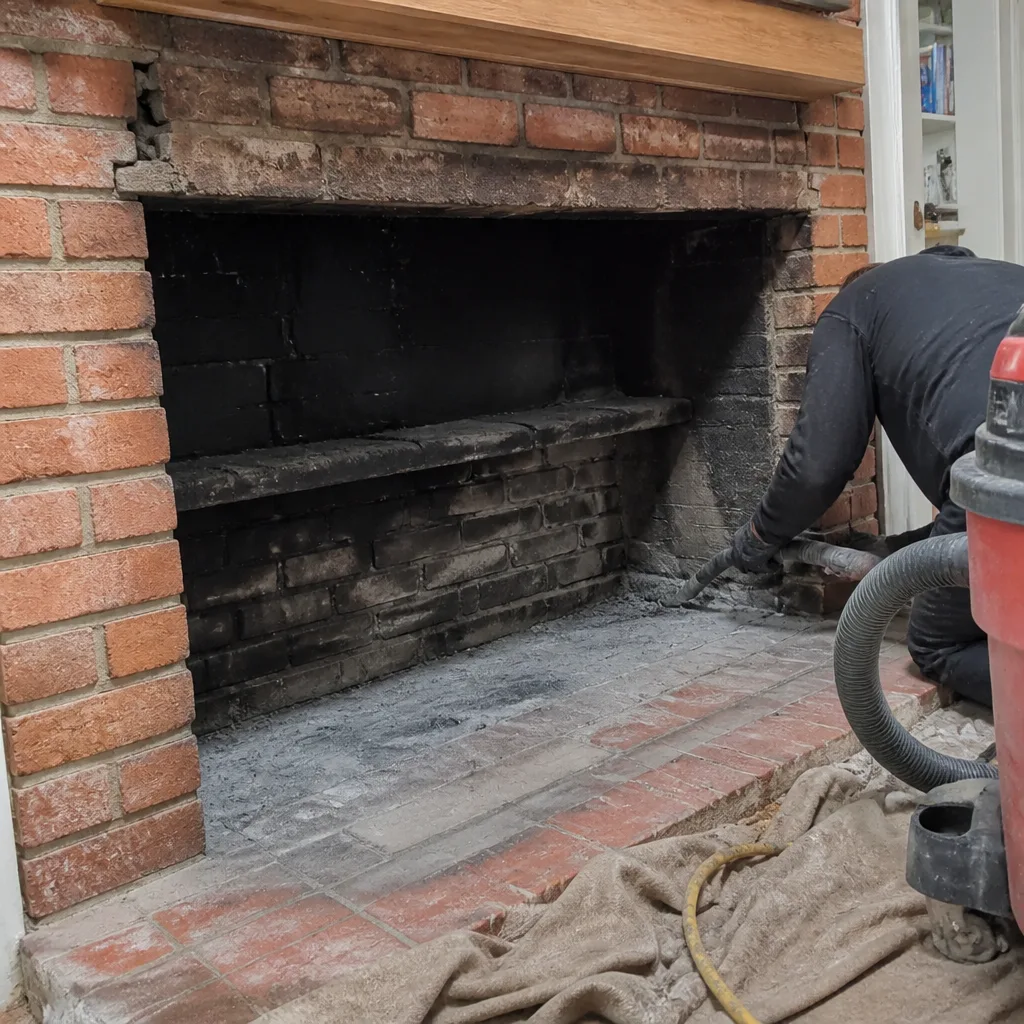 Before
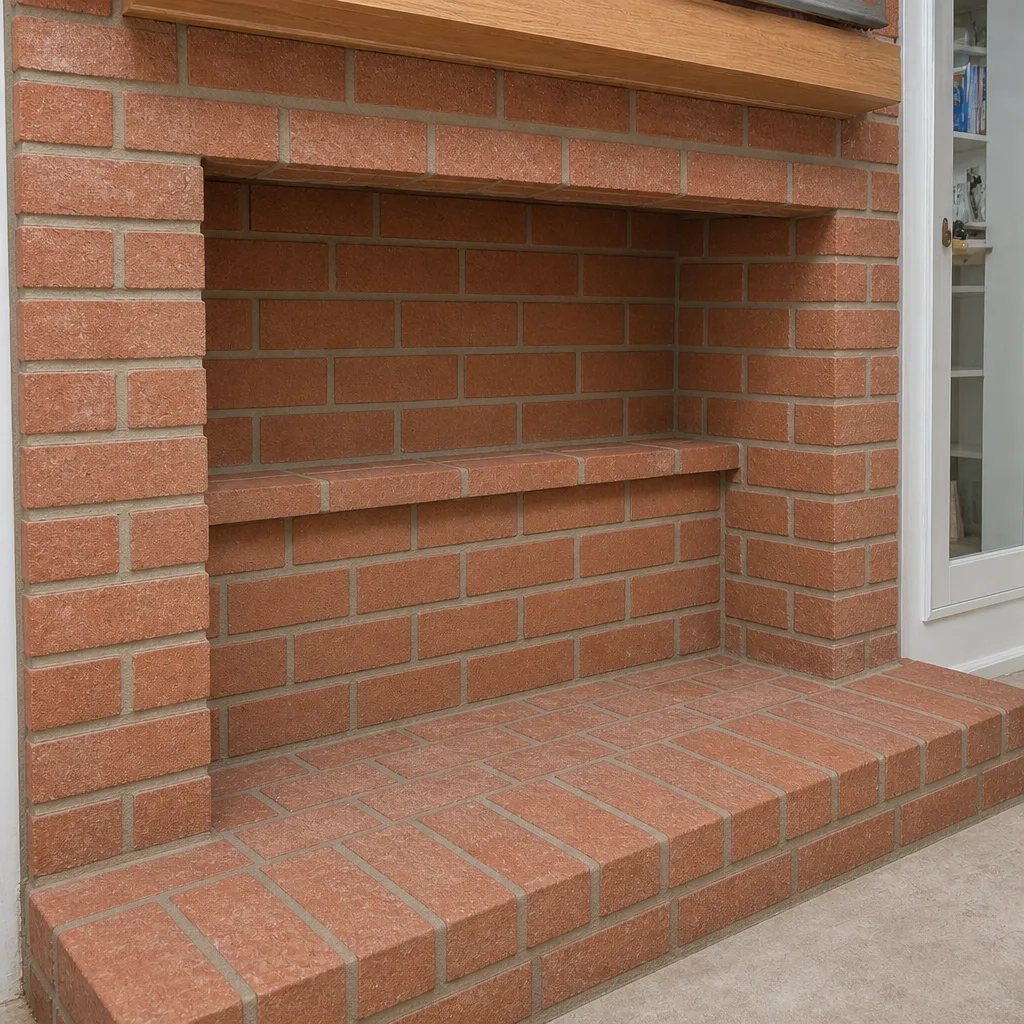 After
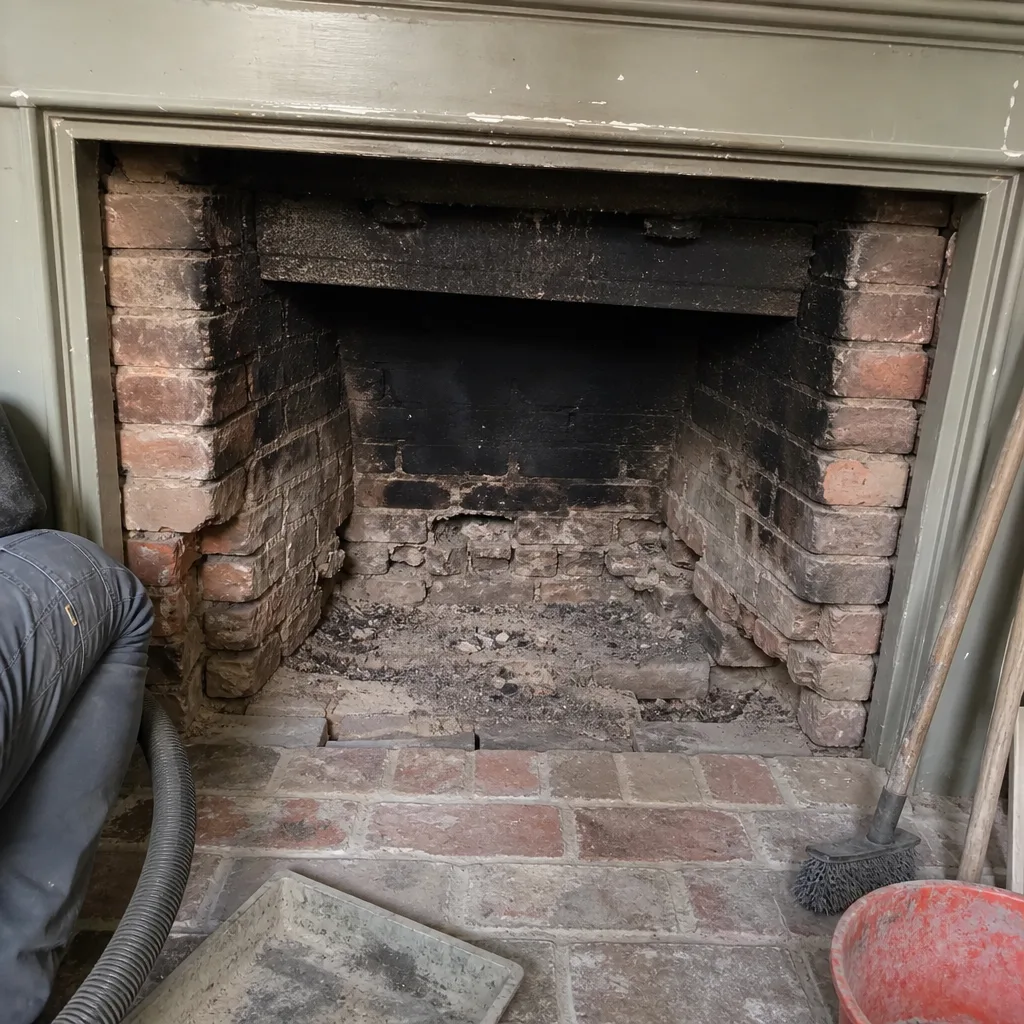 Before
 After
 Before
 After