
Last updated November 14, 2026
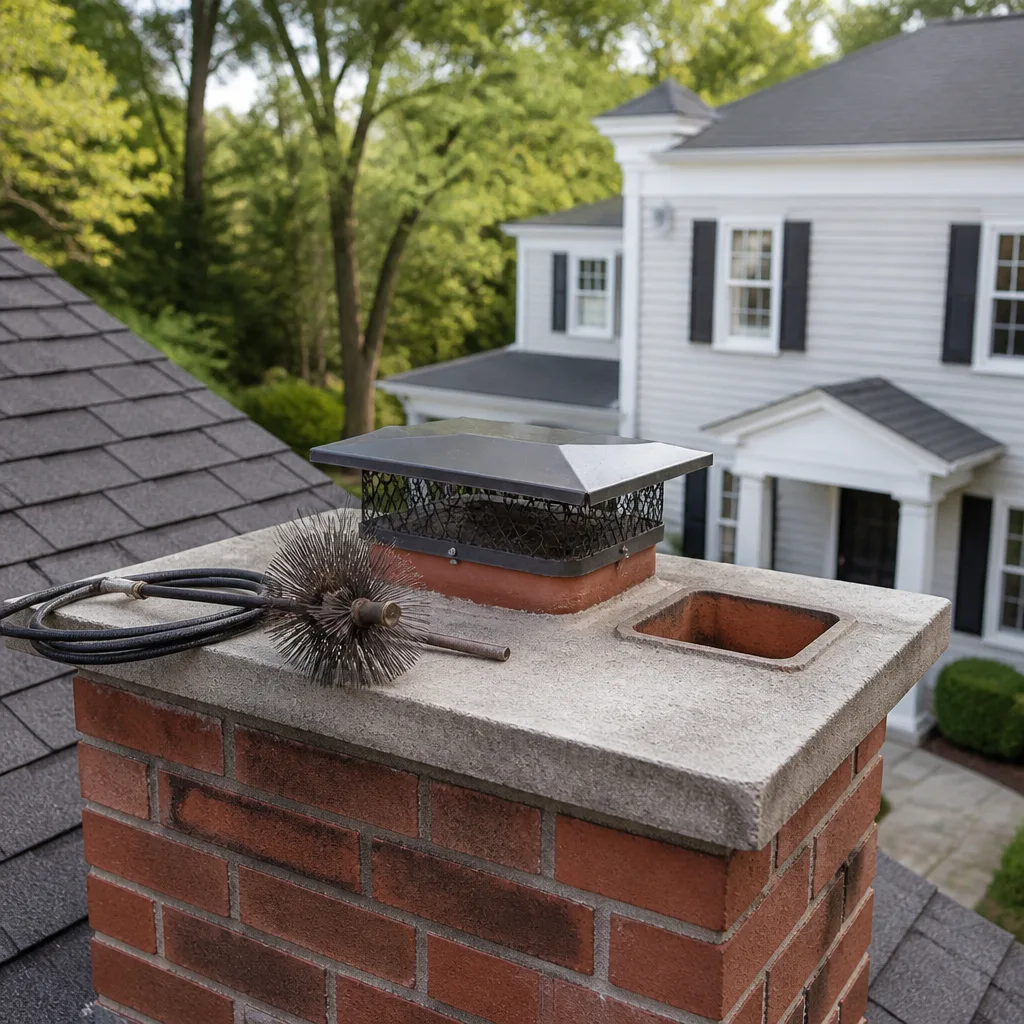 Sweep & inspection
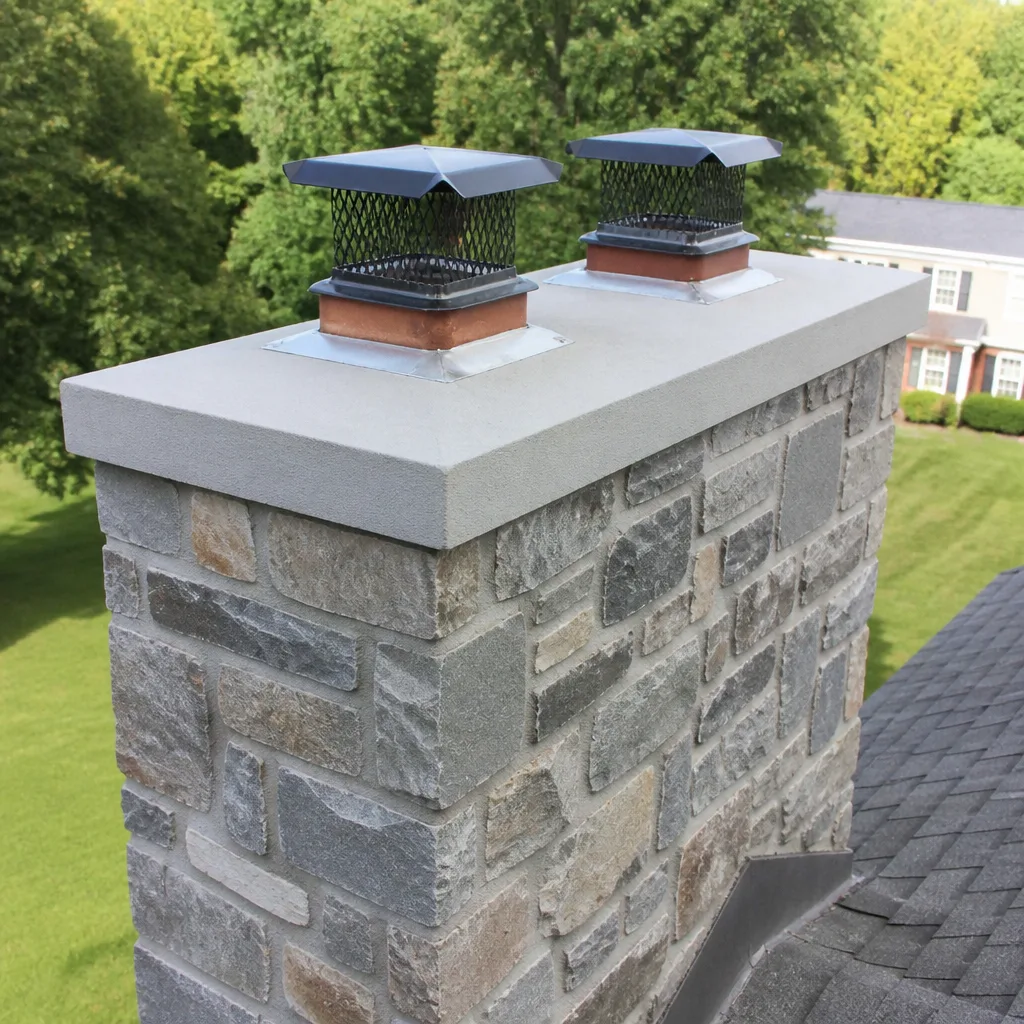 Caps & crowns
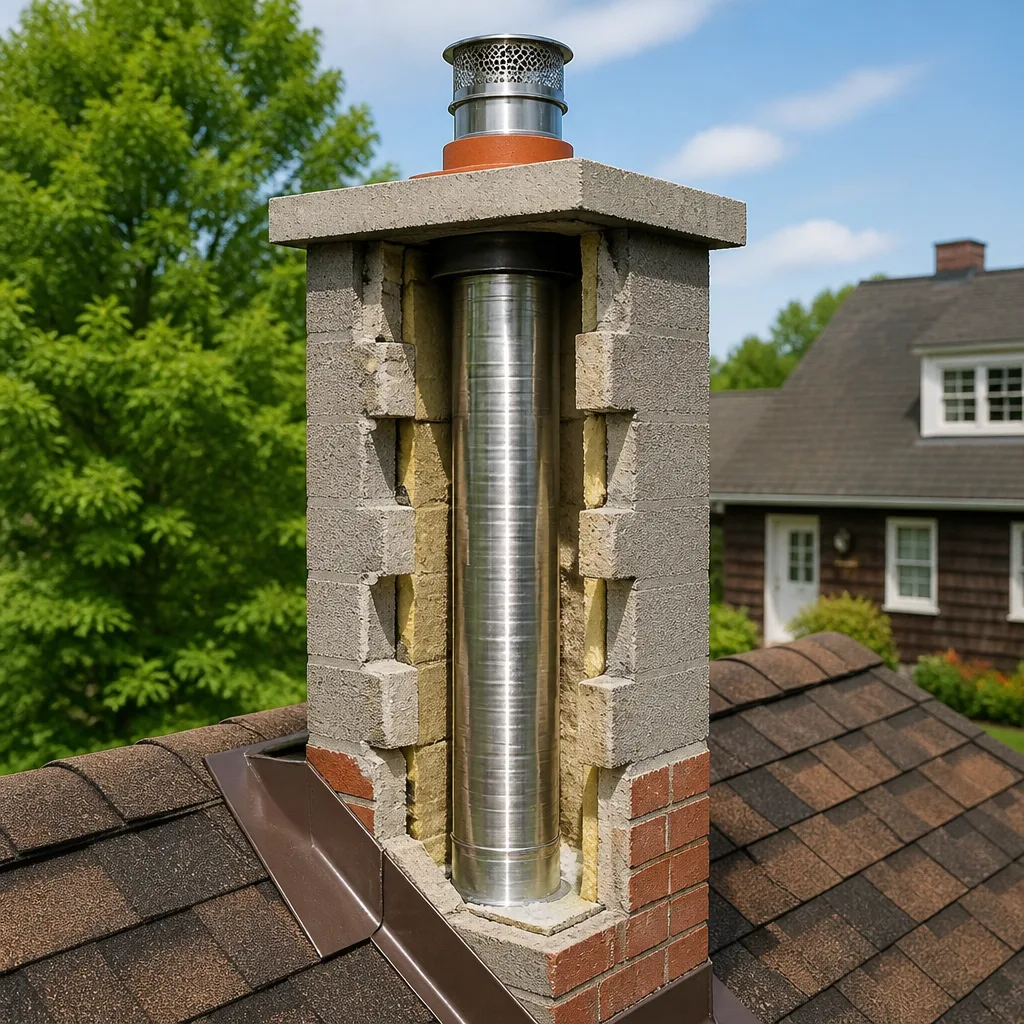 Flue relining
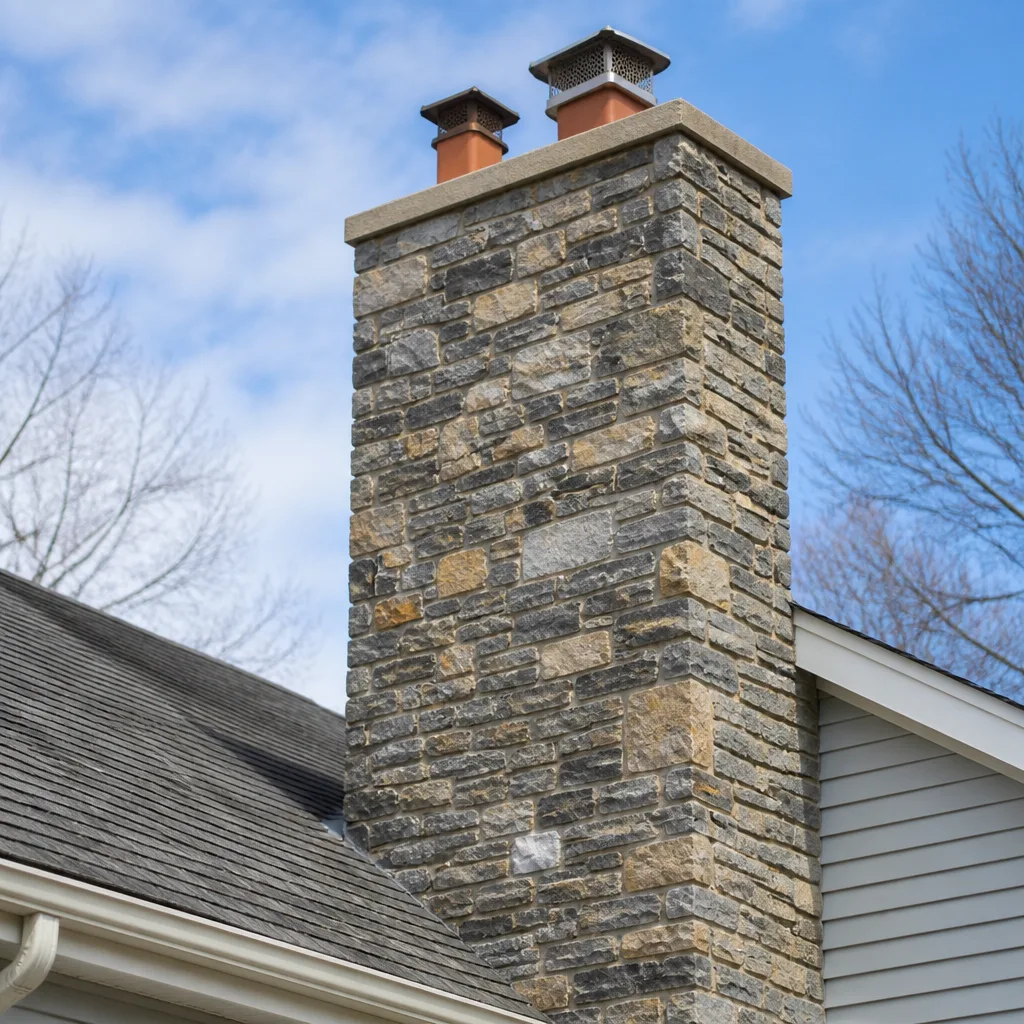 Masonry repair
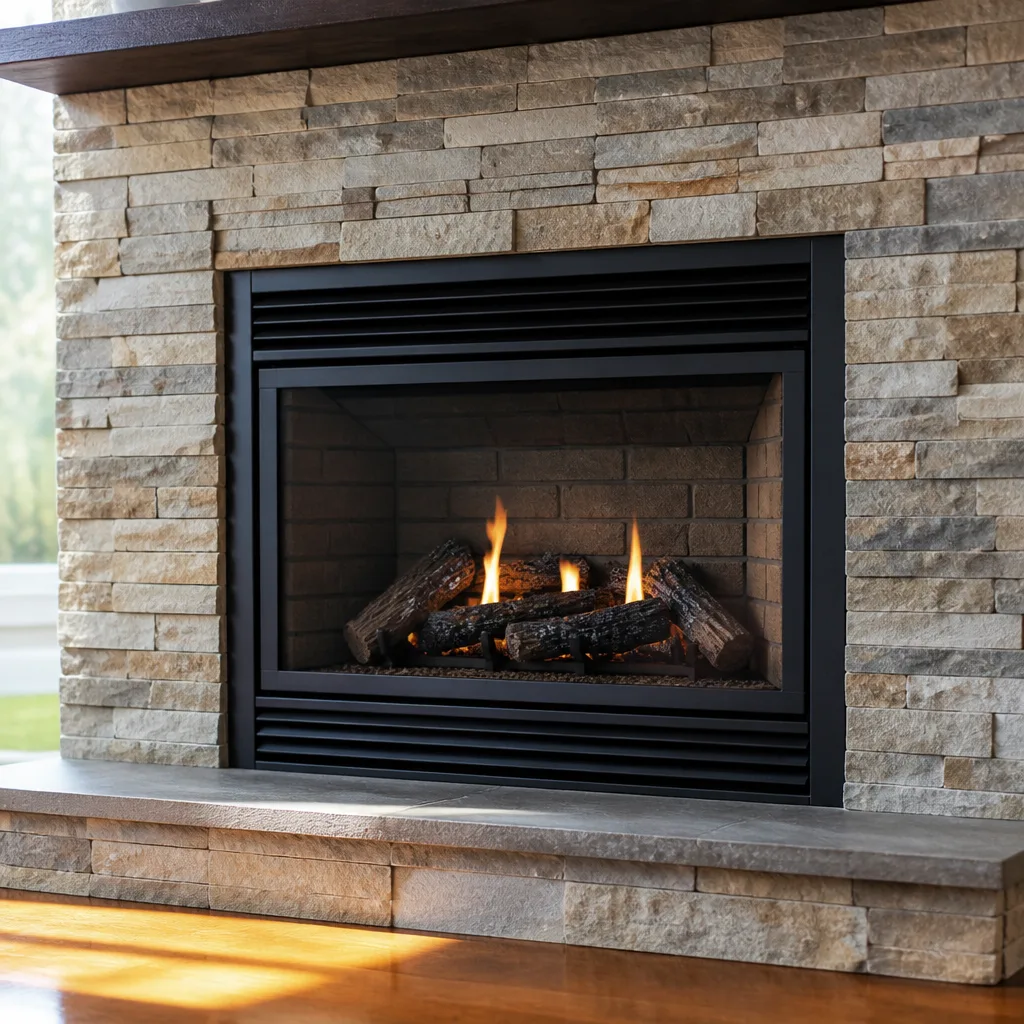 Gas fireplace service
Level 1 sweep and inspection to the NFPA 211 annual standard - flue, crown, cap, and flashing checked and photographed
Chimney sweep logs do not sweep chimneys. They loosen some creosote - which then falls where a brush and vacuum still have to collect it.
Chimney Cleaning Warning Signs: A Raleigh Homeowner’s Reference Guide
A white stain on the outside of your chimney isn’t cosmetic. It’s your masonry telling you water is moving through it, and by the time the stain is wide enough to notice from the driveway, the damage behind the brick has already been working for weeks. Most homeowners find out their chimney has a problem only when a technician tells them, which means they’re trusting that technician completely. This guide flips that. It teaches you to read the condition of your own chimney, from the brick and mortar outside to the firebox and smoke chamber inside, so you can spot trouble early and know which signs are a real stop-use signal and which ones are worth watching. We’ll walk through the exterior, the interior, what smells mean, how the fire should behave, and where a Raleigh climate puts extra stress on a chimney.
Quick Answer
The main chimney cleaning and condition warning signs are efflorescence (white staining) and spalling on the outside masonry, crumbling mortar joints, cracked or glazed flue tiles, a heavy creosote smell, smoke rolling back into the room, and a fire that won’t draft or burns unevenly. Stop using the fireplace immediately if you see cracked flue tiles, loose or missing mortar in the firebox, smoke filling the room, or a strong creosote odor with a visible buildup – those are structural or fire-risk signals. Everything else on this list is worth watching and worth a sweep before you use the fireplace again.
Styles & brands we work with
- Sweep & inspection
- Caps & crowns
- Flue relining
- Masonry repair
- Gas fireplace service
Table of Contents
- Exterior Warning Signs You Can See From the Yard
- Interior Warning Signs to Check With a Flashlight
- Smell-Based Warning Signs: Creosote vs. Moisture vs. Animals
- Performance Warning Signs During Use
- Watch-and-Monitor vs. Stop Using Immediately
- Why Raleigh Chimneys See These Signs Sooner
- How Often Should a Chimney Be Swept?
- Common Mistakes to Avoid
Exterior Warning Signs You Can See From the Yard
The outside of a chimney is the easiest place to start because you can inspect it without climbing or opening anything. Walk to the side of the house and look straight at the brick or stone stack. What you’re looking for is water: water moving through the masonry, water trapped behind it, or water breaking the surface apart. A chimney is designed to shed water, and when it stops shedding, the masonry starts telling you.
Efflorescence is the chalky white staining you’ll sometimes see spreading across brick or mortar. It’s salt pushed to the surface as moisture moves through the masonry and evaporates. The stain itself is harmless, but the moisture behind it is not. Efflorescence that keeps reappearing after it’s brushed away means something is letting water in – a failed crown, a missing cap, cracked mortar, or a flashing problem where the chimney meets the roof.
Spalling is more serious. That’s when the face of the brick flakes, peels, or pops off entirely. It happens when water soaks into the brick and freezes, then expands. In Raleigh we get enough freeze-thaw over a winter – not a lot of snow, but plenty of nights that drop below freezing after a mild day – that saturated brick takes real damage. Loose brick faces on the ground or in the gutter beneath the chimney are a clear sign the masonry is cycling through water and cold.
Mortar erosion is the slowest of the three and the most common. Run a finger along the mortar between the bricks if you can reach it safely, or use binoculars from the ground. Fresh mortar is flat and firm. Eroded mortar is recessed, sandy, and crumbles if you press it. When the mortar between bricks has receded more than about a quarter inch, the joint is no longer doing its job.
- White chalky staining – moisture moving through the masonry
- Flaking or popped brick faces – freeze-thaw damage from water saturation
- Recessed, sandy mortar joints – structural joints failing
- Cracked or flaking chimney crown – the concrete top is letting water in
- Rusted or missing cap and spark screen – opening the flue to rain and animals
- Green or dark staining on the stack – algae or mold leaving evidence of constant damp
Any of these is a reason to have the chimney inspected before the next burning season. You can see them yourself, and you can photograph them yourself, which means when you do call a sweep you already know a specific question to ask. That’s the whole point of learning to read your chimney. If you’d like the professional side of this, our chimney sweep service includes a condition inspection that covers the same ground – and more – with a camera.
Interior Warning Signs to Check With a Flashlight
Open the firebox doors and shine a strong flashlight in. You’re looking at two areas: the firebox itself (the brick chamber where the fire sits) and the smoke chamber (the sloped area above the damper, visible if you look up past it). Both are places where cracks and gaps can let heat and combustion gases escape into the structure of the house, which is exactly what you want to catch early.
In the firebox:
- Look for cracked or missing firebrick on the back and side walls. Firebrick is a special heat-resistant brick, and once it cracks, the brick behind it – regular masonry – takes the heat directly.
- Check the mortar joints between the firebricks. Recessed, sandy, or missing mortar is a sign of heat damage or water infiltration.
- Look at the grate and the floor of the firebox for heavy soot or creosote glazing. A light coat of soot is normal; a thick, tacky, or shiny black coating is creosote buildup.
- Examine the damper door and frame for rust, warping, or a door that won’t close flat.
In the smoke chamber: the smoke chamber is corbelled – stepped in – and hard to see into. Shine the flashlight up past the damper. You’re looking for heavy creosote buildup on the sloped surfaces, cracked parging (the smooth plaster-like coating), or gaps where the chamber meets the flue. Creosote glazed on the smoke chamber wall is one of the highest fire-risk conditions in a residential chimney, and it’s exactly the kind of thing a camera inspection reveals in detail. If you can only see the smoke chamber with a flashlight from below, that’s still useful – any heavy dark coating or obvious damage is a signal to stop and call.
Across the whole firebox and throat: a strong ammonia smell (covered in the next section), white staining inside the firebox, or water marks on the brick are all signs of moisture getting in from above. If you want the full interior inspection done with a camera and photo report, our Raleigh Chimney Cleaning service documents what we find so you can see it yourself.
Smell-Based Warning Signs: Creosote vs. Moisture vs. Animals
Your nose is a diagnostic tool. Chimneys give off different odors depending on what’s wrong, and once you learn to tell them apart you’ll know more about your chimney’s condition than most homeowners ever do. The key is that a chimney in good condition has almost no smell when it’s not in use. If yours does, something is building up or getting in.
The creosote smell. Creosote is the tar-like residue left behind when wood smoke cools. A light creosote smell – like a campfire or a fireplace that’s been used recently – is normal. A strong, sharp, acrid smell that lingers day after day, especially a tar or asphalt-like odor, means creosote has built up to the point where it’s outgassing into the room. This is the smell that often signals a sweep is overdue. If you can smell creosote consistently when the fireplace is cold, the flue is loaded.
The moisture smell. Musty, damp, “basement” or wet-brick smell coming from the firebox or chimney chase means water is entering. That’s often a failed crown, a missing cap, or cracked flashing. Moisture smell is a warning but not an emergency; it means the masonry or flue is staying wet and will keep degrading until the source is fixed. The white efflorescence on the outside and the musty smell inside are usually the same problem viewed from two different places.
The animal smell. Animal intrusion has its own recognizable odor: a strong urine or ammonia smell, or the musty-organic smell of a nest. Birds, squirrels, and raccoons all find open flues inviting, especially in a Raleigh fall when they’re looking for warmth. You may also hear scratching or fluttering from the flue. A chimney cap with a properly fitted spark screen prevents this, and if you suspect an animal is in the flue, don’t light a fire – call to have it removed and the flue inspected. Our Raleigh service includes an animal and nest check as part of the inspection.
- Acrid, sharp, tar-like smell – creosote buildup, sweep overdue
- Musty, damp, wet-brick smell – water entering, inspect crown and cap
- Ammonia or urine smell – animal intrusion, don’t burn until cleared
- Smoke smell in the room when the fireplace is off – draft or pressure issue, see next section
Performance Warning Signs During Use
How a fire behaves tells you what’s happening inside the chimney. A healthy fireplace lights easily, holds a steady flame, and sends smoke up and out with no drama. When something changes in the way the fire burns or the way smoke moves, the chimney is telling you it needs attention, even if you can’t see the problem directly.
Smoke rolling back into the room. This is the classic draft problem, and it can come from several sources: a flue that’s blocked by creosote or a nest, a flue that’s too cold to establish draft, negative pressure from a modern airtight house or a competing exhaust fan, or a chimney that’s simply too short for the firebox opening. The fix depends on the cause, and the cause is only diagnosable with a proper inspection. If smoke intermittently rolls out at startup but then rises once the flue warms, that’s usually a cold-flue issue and often manageable. If smoke rolls out continuously, or comes out whenever the furnace or bathroom fan runs, stop and get it checked.
Poor draft and weak fires. A fire that’s sluggish, smoky, and won’t stay lit is drawing poorly. Sometimes the flue is partially blocked. Sometimes the damper isn’t opening fully. Sometimes the issue is the smoke chamber geometry – a corbelled chamber with heavy buildup or a badly shaped throat slows the smoke path and causes trouble.
Uneven burn patterns. A fire that burns hotter on one side, or that seems to pull to one side of the firebox, can indicate a damaged flue tile or a gap that creates a hot spot. Fire that touches a cracked flue tile will find its way into the surrounding masonry.
Excessive smoke at startup or throughout the burn. Some smoke at startup is normal, especially in a cold flue. Continuous smoke, visible out of the chimney top when the fire is burning, is a sign the flue isn’t carrying the smoke efficiently.
If you’re seeing any of these, write down when it happens – startup only, all the time, only when the furnace runs, etc. That’s diagnostic information, and it saves time on the inspection.
Watch-and-Monitor vs. Stop Using Immediately
Not every warning sign is a red alert. Some are early signals you can monitor while you book a sweep. Others are stop-using signs. The difference matters, and getting it wrong either wastes money on unnecessary work or ignores a real fire risk. Here’s how we sort them.
Watch and monitor (book a sweep, don’t panic):
- Light white efflorescence on the exterior that hasn’t grown
- Minor recessed mortar joints on the outside stack
- A moderate creosote smell when the fireplace is cold
- Occasional smoke at startup only, with a good fire once the flue warms
- A fire that burns a little unevenly but drafts fine
- Soot on the firebox walls (normal, part of an annual sweep)
Stop using the fireplace immediately and get it inspected:
- A cracked, glazed, or missing flue tile – combustion gases can enter the structure
- Loose or missing firebrick, or a firebox wall that’s cracked through
- Smoke rolling into the room continuously, or whenever exhaust fans run
- A strong creosote odor with a visible heavy buildup on the flue or smoke chamber
- Any evidence of an animal in the flue (sound, smell, or visible obstruction)
- A water mark inside the firebox or white staining on the interior surfaces
The distinction is simple: a structural or gas-path problem stops the fireplace; a cosmetic or early-stage buildup keeps it in “monitor” mode. If you’re unsure which category a sign falls into, don’t guess. A call is free. Call (833) 304-2125. We answer 24/7. Fast dispatch from 7am to 7pm, Sunday through Friday.
Why Raleigh Chimneys See These Signs Sooner
Raleigh’s climate is mild enough that chimneys don’t get the continuous deep cold of northern states, but that mildness creates its own pattern of wear. The problem isn’t dramatic freezing; it’s the back-and-forth. Raleigh winters flip between warm days and overnight freezing many times, and every flip pulls a little more moisture into the masonry and then freezes it. Brick that’s already stressed by efflorescence or eroded mortar doesn’t take long to start spalling under that cycle.
The other local factor is humidity. Raleigh summers are long and damp, and a chimney that sits unused through the warm months is holding moisture the whole time. Creosote that was left in the flue after the last fire in spring absorbs that humidity and turns tacky and acidic, which is harder on the flue than the same creosote in a drier climate. That’s why we tell homeowners in the area to think of a sweep as a before-the-season task, done in early fall before the first cold snap.
The age of the housing stock matters too. Raleigh has neighborhoods with homes from the mid-20th century and earlier where the original clay tile liner is still in place. Clay tile was never meant to last forever; it cracks over decades, and once it cracks, the flue can’t be trusted to contain combustion gases. Many of those homes are candidates for a liner restoration rather than a full rebuild, which is where the HeatShield ceramic resurfacing material comes in – it can often restore a damaged clay liner to a usable surface without pulling the chimney apart. We also stock and install DuraFlex flexible liners for chimneys where a rigid liner won’t fit through the bends or offsets, and Olympia Chimney, Gelco, Famco, and Copperfield components for caps, crowns, and stove connections. The point isn’t the brand names. The point is that when a repair is needed, we can actually do the repair rather than handing you a list and a referral.
And here’s the part most homeowners don’t think about: the dryer vent cleaning service we offer alongside chimney work addresses the second hidden fire-hazard system in the same house. Dryer lint accumulating in a vent carries the same risk profile as creosote in a flue, and having one crew check both on one visit means nobody has to remember to schedule the other contractor.
How Often Should a Chimney Be Swept?
The general rule is once a year, every year, regardless of how often you burn. An annual sweep is a condition check as much as a cleaning, and it’s the cheapest way to catch a cracked flue tile, an animal nest, or a slowing draft before it becomes a repair. That’s the baseline for any home with a working fireplace.
Some homes need it more often. If any of the following describes your situation, plan on a sweep before every season and a mid-season look if you’re burning heavily:
- You burn more than a cord of wood in a season
- You burn unseasoned or “green” wood, which produces significantly more creosote
- You have a wood stove or insert rather than an open fireplace, because those concentrated fire temperatures build creosote faster
- You’ve had a chimney fire in the past, even a small one you put out yourself
- Your chimney has no cap and sits open to weather and animals
- You’ve noticed any of the warning signs in this guide
For a home that’s used only a handful of times a year, an annual inspection remains the right call even if the cleaning itself is light, because the inspection is where you find the structural issues. If you’re not sure how your usage compares, book the sweep and ask.
Common Mistakes to Avoid
- Judging a chimney only by how it looks inside the house. The exterior masonry tells you as much as the firebox does, and most homeowners never walk around the outside to look. Make the yard check part of your fall routine.
- Brushing off efflorescence as “just a stain.” The white staining is a symptom, not the problem. Brushing it away without finding the water source means it comes back and the masonry keeps degrading underneath.
- Burning green or wet wood. It produces far more creosote than seasoned wood and loads the flue faster. In Raleigh’s humid climate, wood stored loosely covered and split a season ahead is the standard.
- Using the fireplace after a chimney fire without an inspection. Even a small chimney fire can crack a flue tile, and the break is usually invisible from the firebox. The flue has to be checked before the next fire.
- Letting a sweep-only contractor flag a problem and leaving you to find someone else. A sweep who can’t repair what they find turns into a referral chain. Ask whether the company actually does the repair before booking, not after.
- Skipping the annual inspection because “the fire burned fine last year.” A flue tile can crack between seasons without any change in how the fire burns. The fire can look perfect while the flue is no longer containing gases.
- Ignoring the smell. A persistent creosote or ammonia smell is a signal. Treat a smell you can’t explain the same as a symptom.
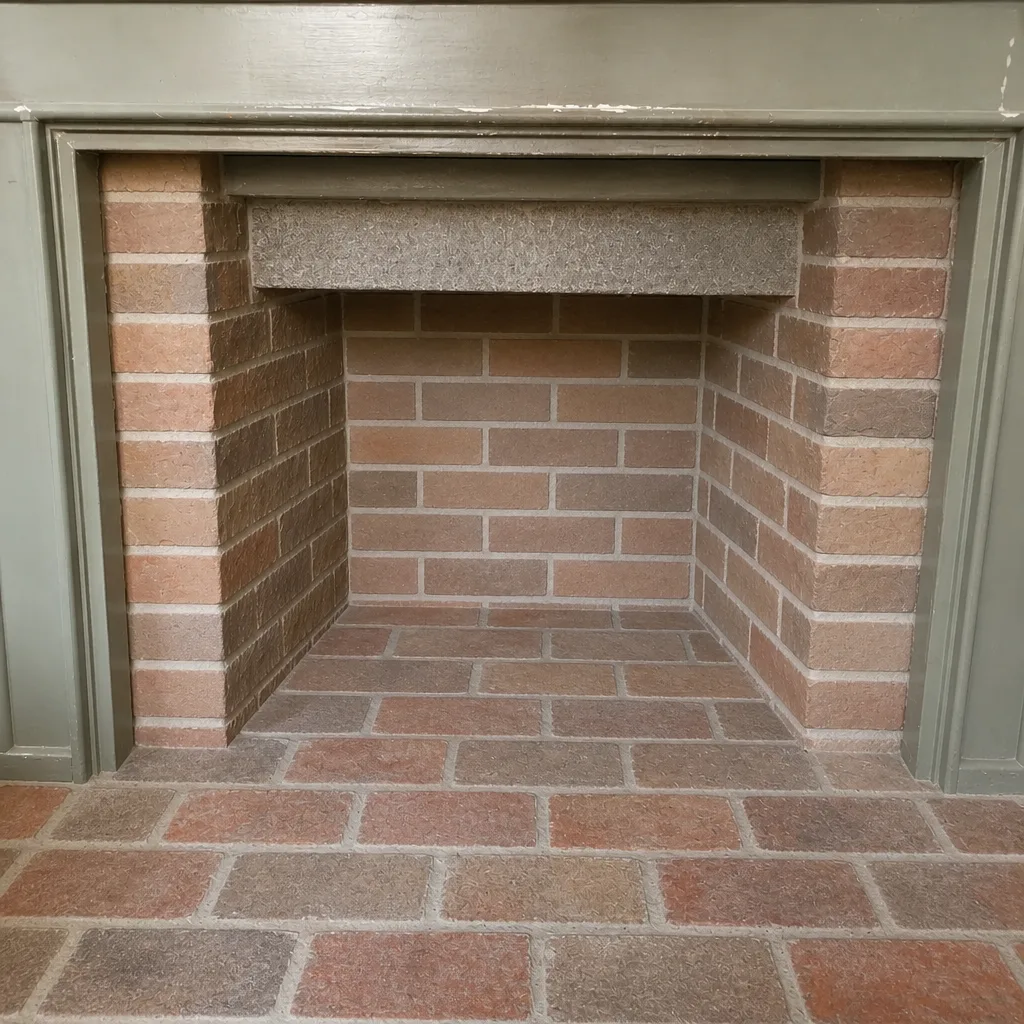
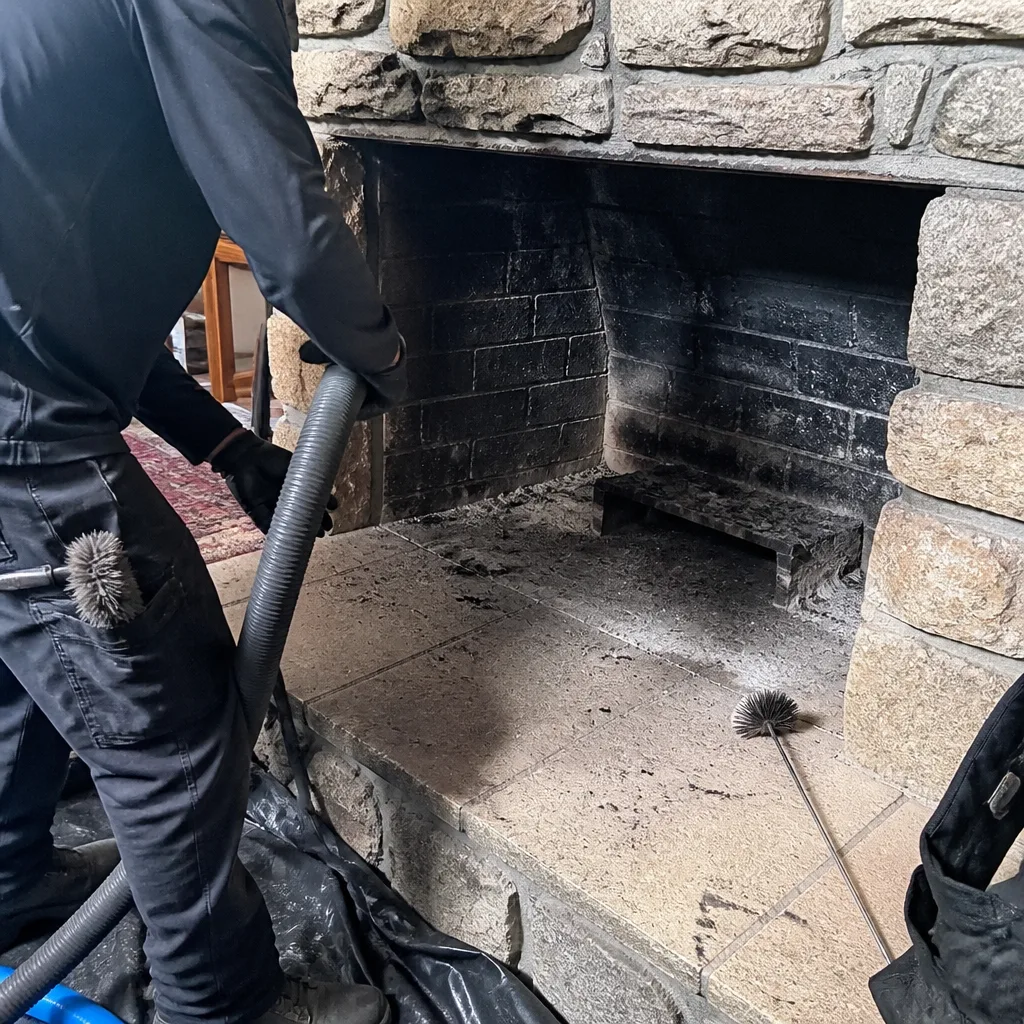
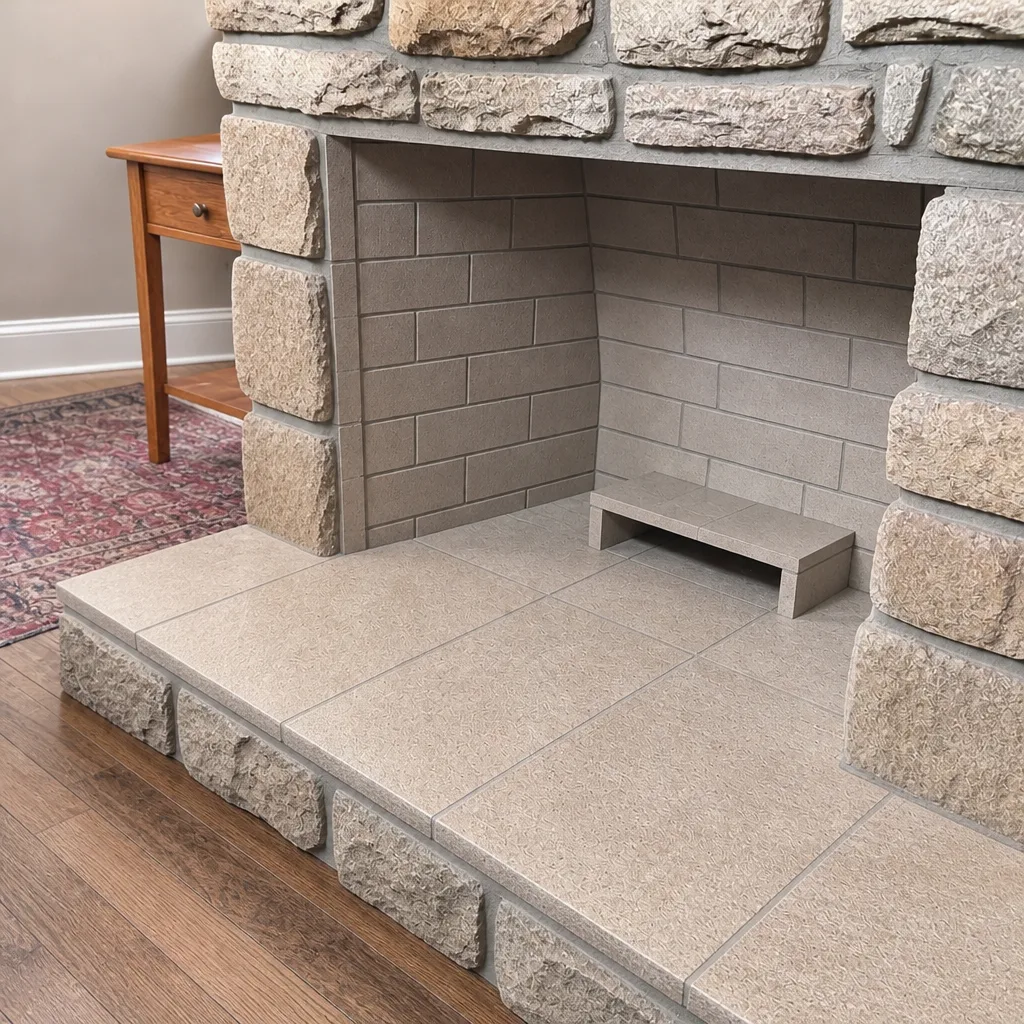
See the difference
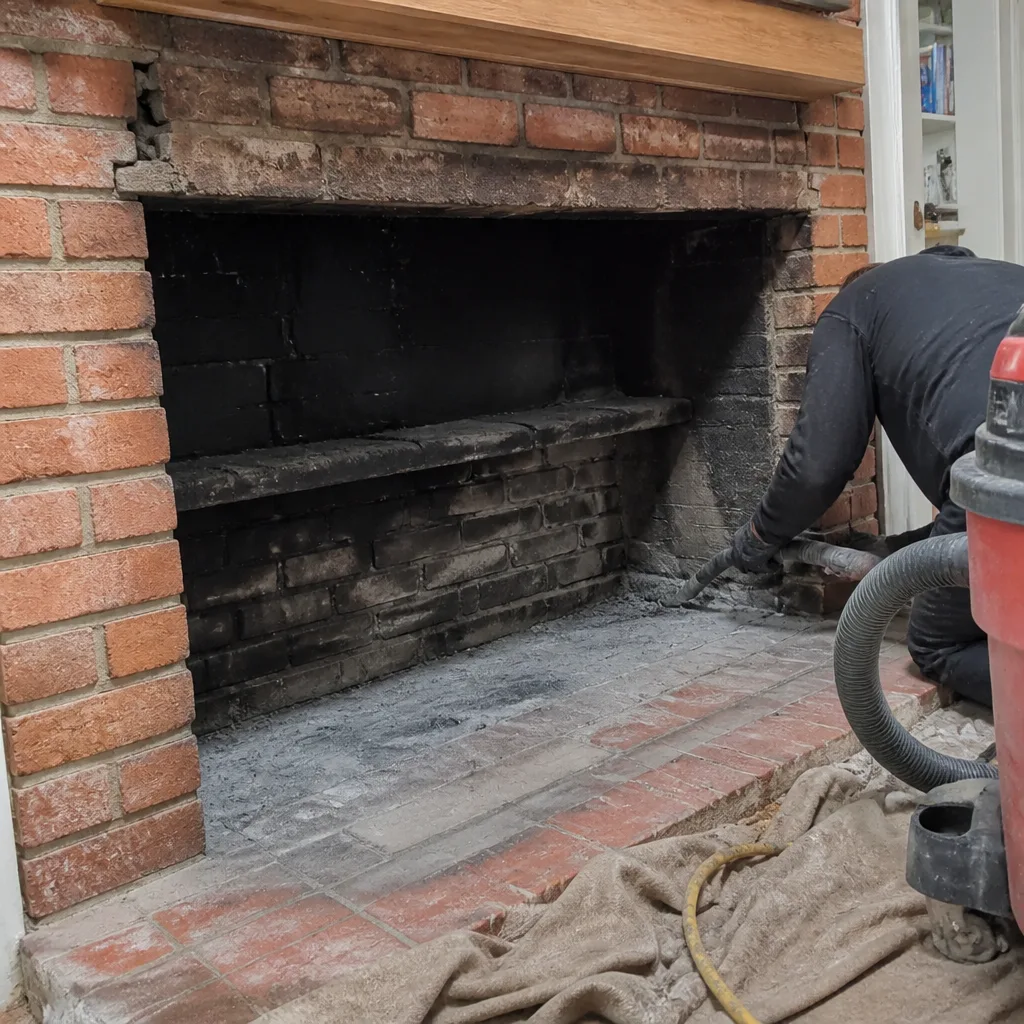 Before
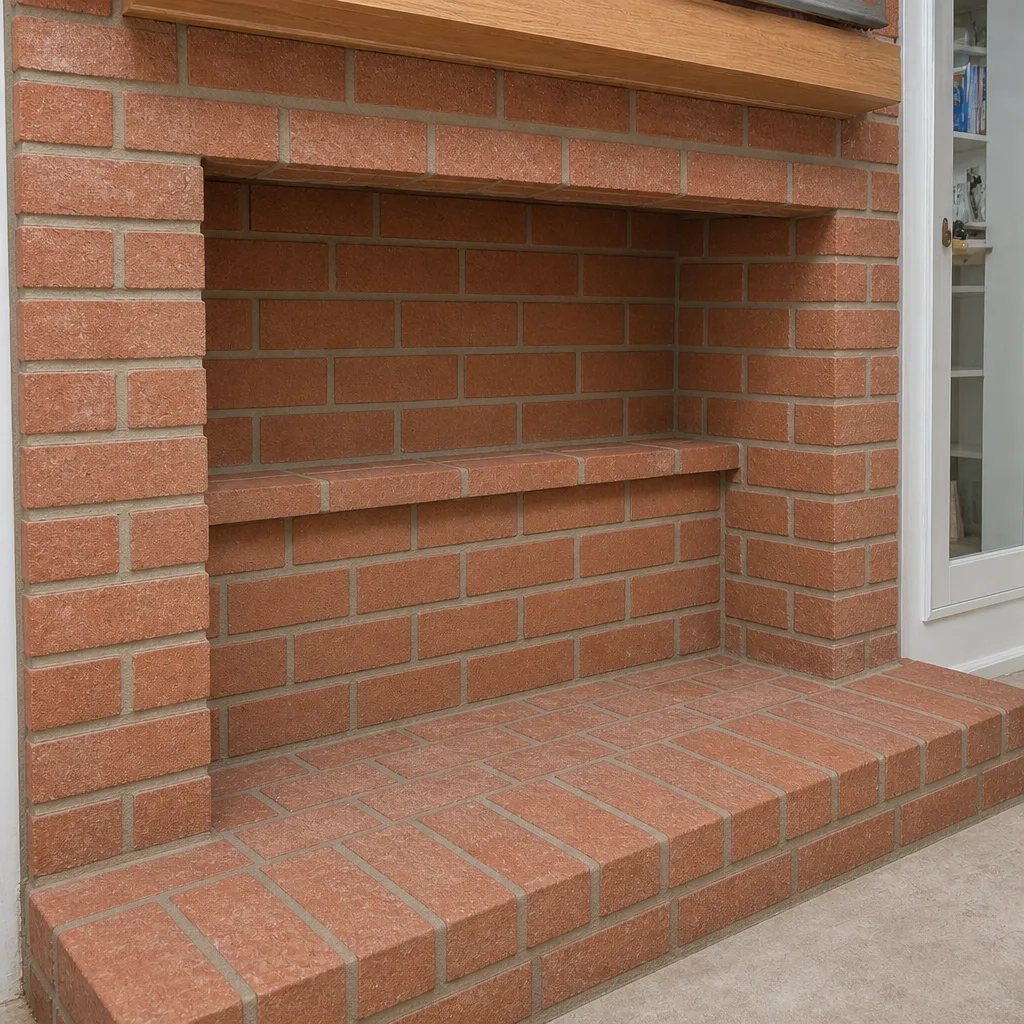 After
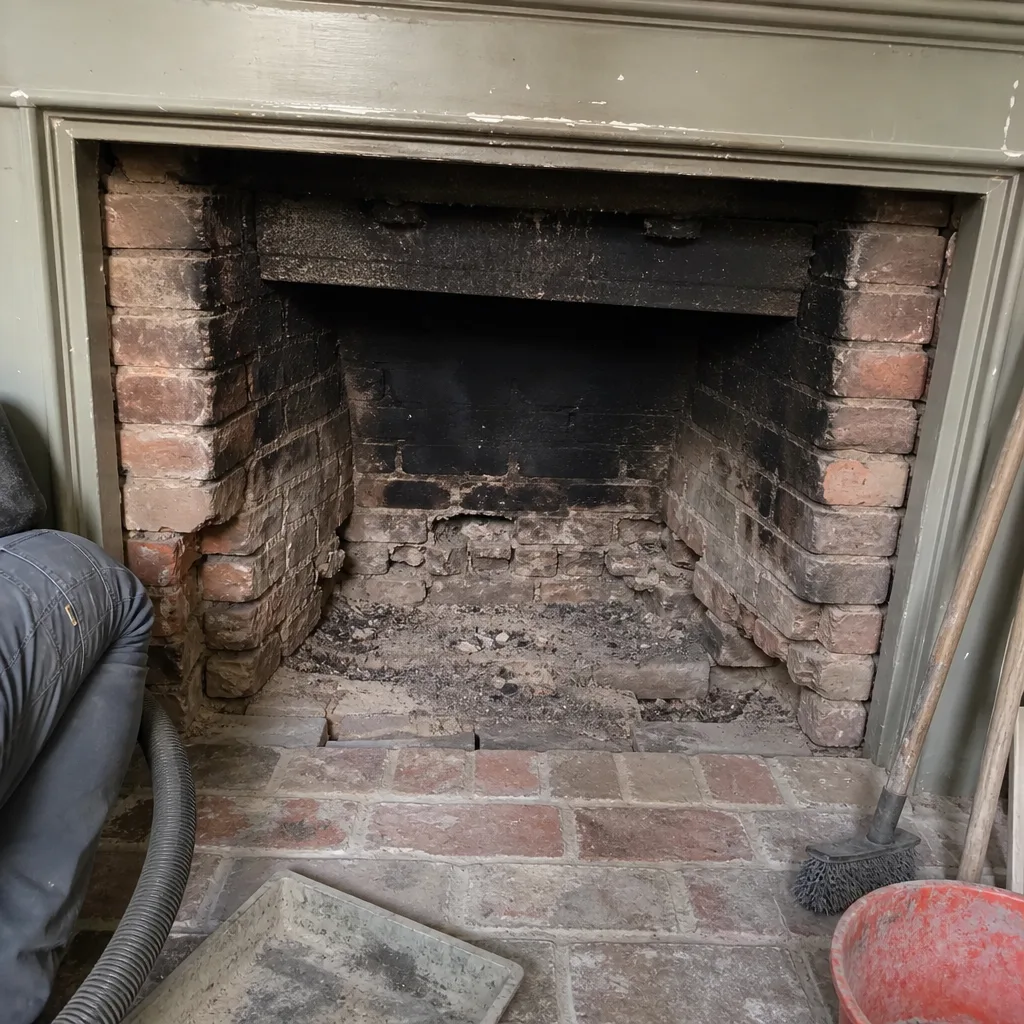 Before
 After
 Before
 After
When to Call a Professional
Call us if you’ve spotted any of the stop-use signs on this list: a cracked flue tile, cracked firebrick, continuous smoke rollout, a strong creosote smell with visible buildup, or evidence of an animal in the flue. Call us if you’ve had a chimney fire, even a small one, or if the fire has been behaving differently – smoky, sluggish, or uneven – through the last season. Call us if your home is older and you’ve never had the liner inspected, if you’re buying a home with a fireplace, or if you simply haven’t had the chimney looked at in more than a year. Raleigh Chimney Cleaning offers free estimates in Raleigh – call (833) 304-2125. We answer 24/7. Fast dispatch from 7am to 7pm, Sunday through Friday. The estimate is free and the price is set per job by the written estimate, so there’s nothing to lose by asking.
Frequently Asked Questions
Efflorescence on the exterior masonry. It’s the white chalky staining that shows water is moving through the brick, and it’s the earliest visible signal of a water problem. Most homeowners catch it late, after the spalling has started, because they never walk around the outside of the chimney to look. Check the exterior before the first fire of the season.
Not always. A crack in a clay flue tile can sometimes be resurfaced rather than replaced. HeatShield ceramic resurfacing can restore the interior surface of a damaged clay liner in cases where the tile is still structurally sound enough to support the coating. Where it can’t, a flexible stainless system like DuraFlex allows us to reline the chimney through the existing structure. The right answer depends on the camera inspection, not on the category of damage. Call (833) 304-2125 for an exact quote – estimates are free.
Rates are set per job by the written estimate for the individual chimney, so there isn’t one number that fits every home. What we do confirm up front is that the estimate is free and that you see the price in writing before any work begins. Call (833) 304-2125 for your exact quote.
Creosote keeps accumulating in the flue, and at a certain thickness it becomes combustible. The flue stops venting properly, smoke can roll back into the house, and eventually the buildup becomes a chimney-fire hazard. The structural problems – a cracked tile, a crumbling mortar joint – go undetected and get worse. None of that shows up in how the fire looks, at least not until the fire is the last thing to find out. Call (833) 304-2125 to book a sweep before the season.
Yes. A musty, damp, wet-brick smell points to moisture entering the chimney, usually through a failed crown, a missing cap, or cracked flashing. An ammonia or urine smell usually means animals. Only a sharp, acrid, tar-like odor with a lingering presence when the fireplace is cold points to creosote buildup. Each one calls for a different response, so describe the smell when you call. Call (833) 304-2125 to talk it through.
Usually yes, provided the smoke rises once the flue warms and stops within a few minutes, and provided you’ve had the chimney inspected recently. A cold flue often needs a few minutes to establish draft. If the smoke continues beyond startup, or comes back when the furnace or a bathroom fan runs, stop and have it checked. If in doubt, call. We answer 24/7. Fast dispatch from 7am to 7pm, Sunday through Friday.
The Bottom Line
A chimney that’s in trouble usually tells you before it fails, and most of what it says is visible to a homeowner with a flashlight, a ladder, and a nose. White staining and spalling on the brick, crumbling mortar on the exterior stack, cracked firebrick and glazed creosote inside the firebox, a persistent acrid or musty smell, and a fire that won’t draft or rolls smoke into the room – these are the signs, and knowing them puts you in charge of the decision. The annual sweep is the backstop, not the only line of defense. And when the signs do point to a repair, the difference matters between a contractor who diagnoses and refers and one who diagnoses and fixes. That’s the work we do in Raleigh, with professional-grade materials from the manufacturers chimney technicians rely on, and with a camera inspection that lets you see what we see before you agree to anything.
Written by the team at Raleigh Chimney Cleaning, serving Raleigh since 2013.