
Last updated November 14, 2026
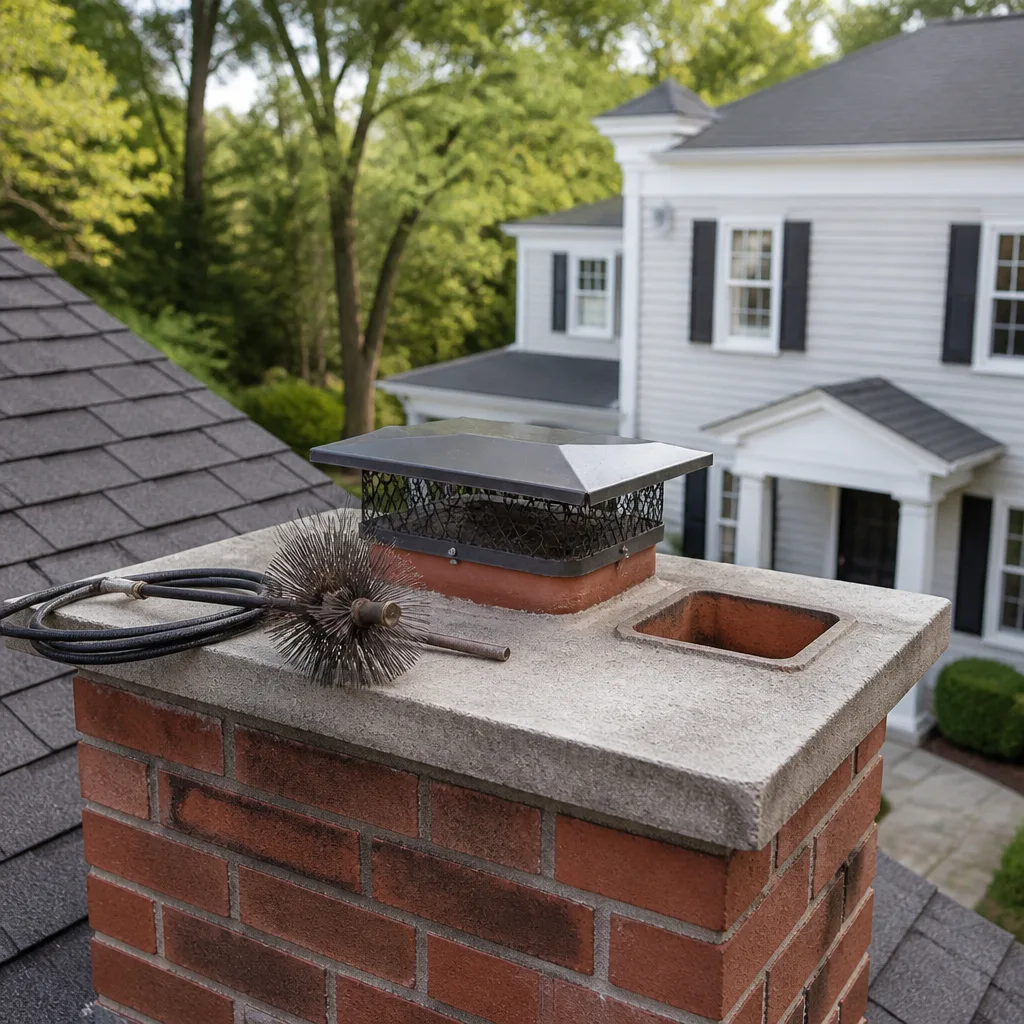 Sweep & inspection
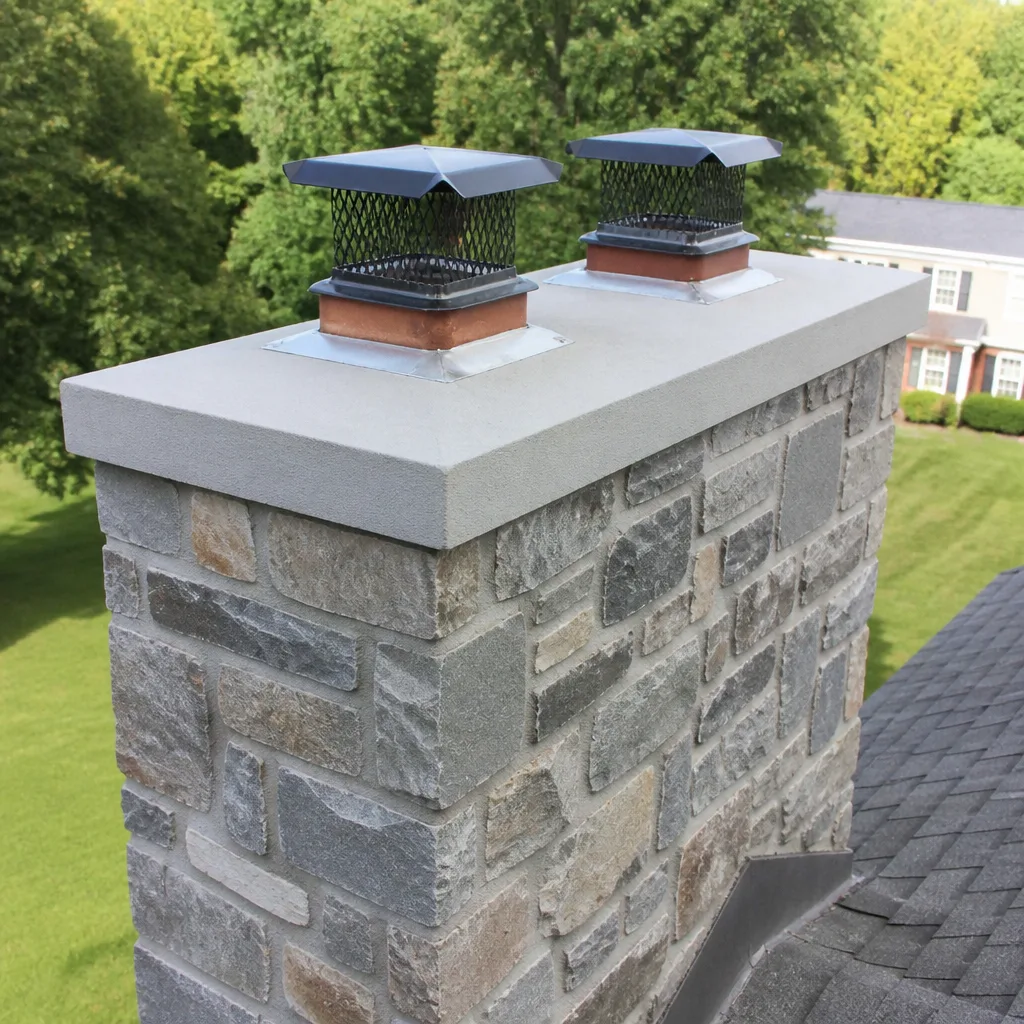 Caps & crowns
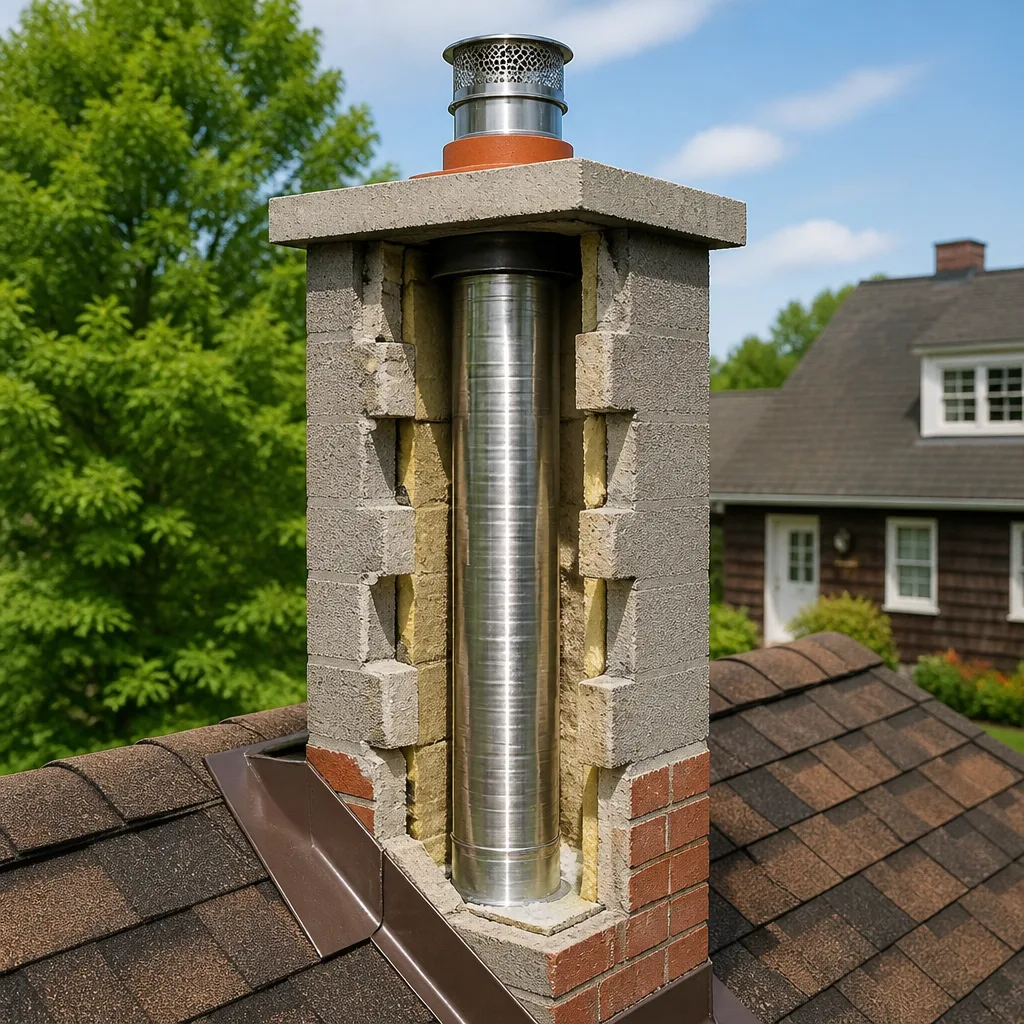 Flue relining
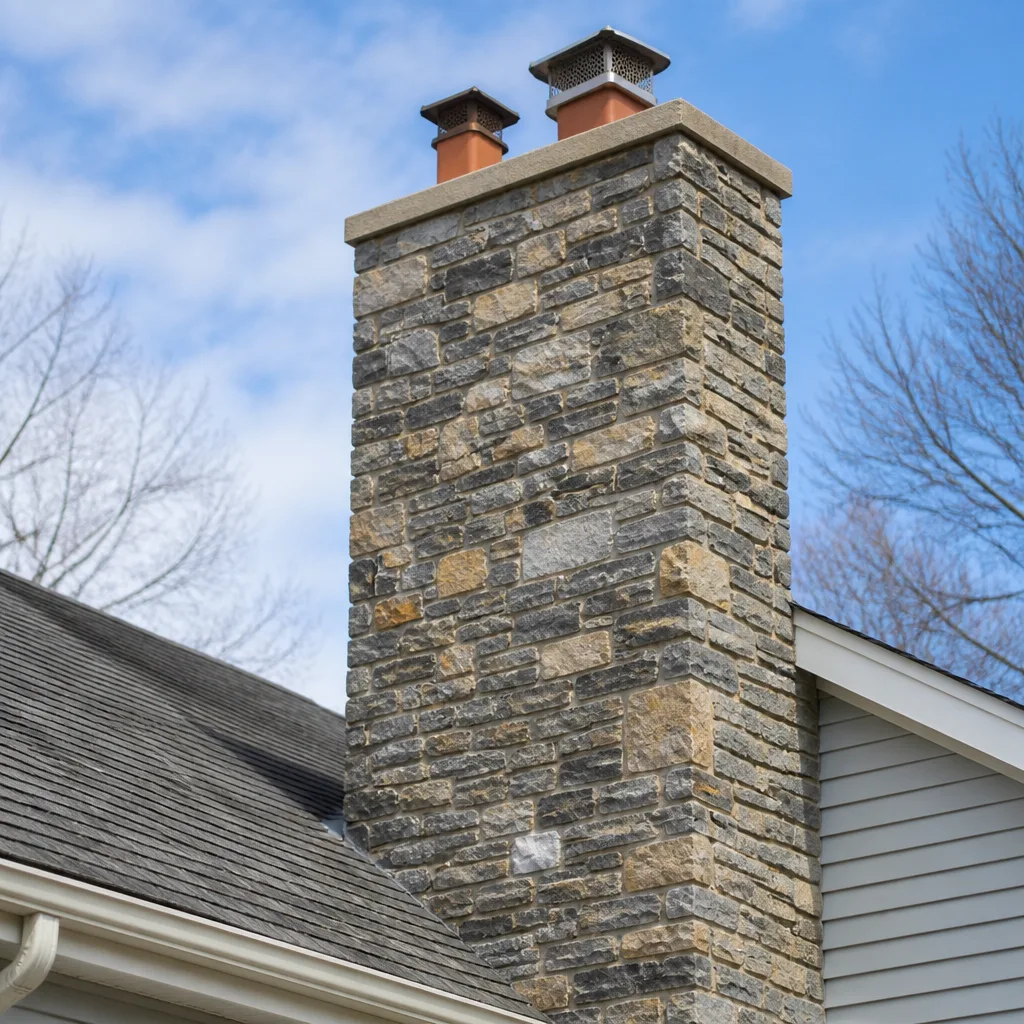 Masonry repair
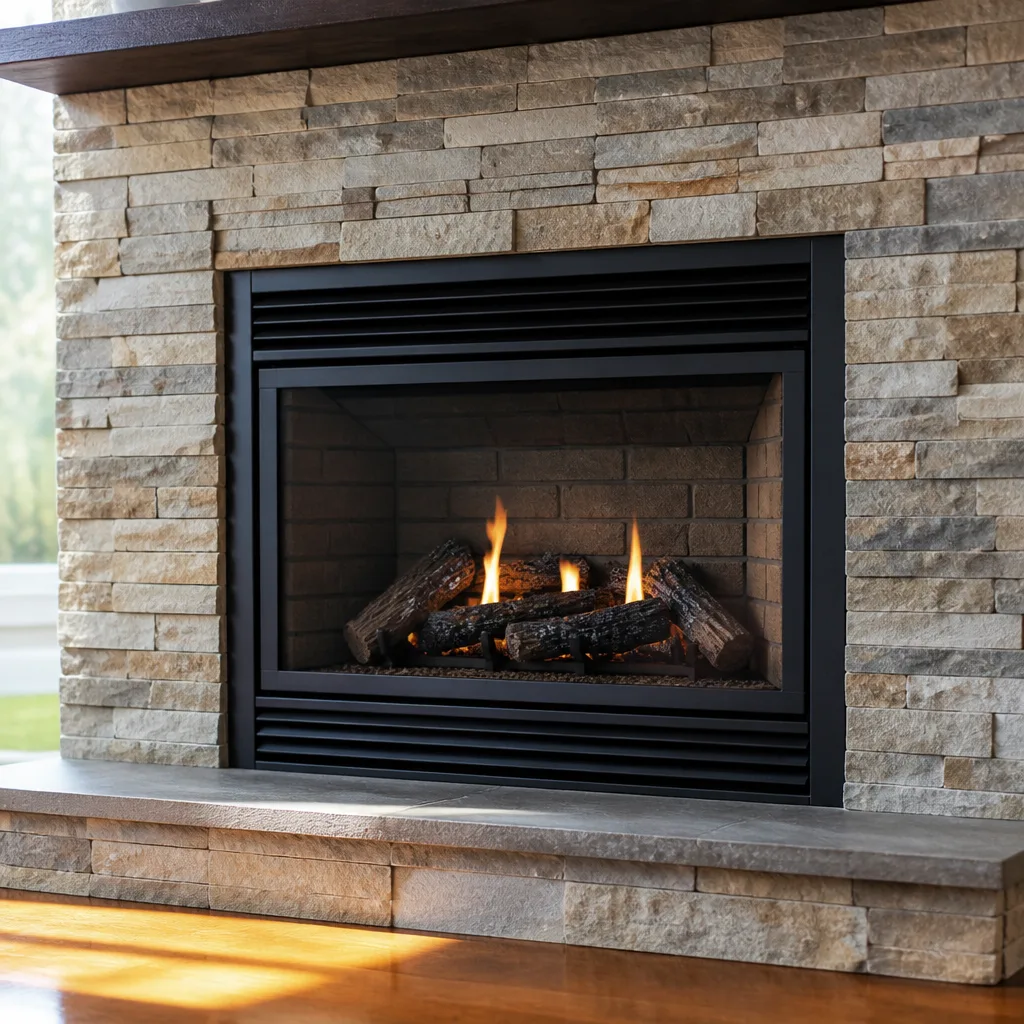 Gas fireplace service
Level 1 sweep and inspection to the NFPA 211 annual standard - flue, crown, cap, and flashing checked and photographed
Chimney sweep logs do not sweep chimneys. They loosen some creosote - which then falls where a brush and vacuum still have to collect it.
Chimney Sweep Maintenance Checklist for Raleigh Homeowners
A chimney that gets used six times a year in Raleigh still needs the same annual inspection as one used all winter in Vermont. Moisture damage doesn’t care how often you light a fire. In fact, the long humid stretch from May through September does more slow damage to a masonry chimney than a full season of burning ever will, because water sits in the brick and mortar for months with nothing to dry it out. This guide is a month-by-month maintenance checklist built around Raleigh’s actual weather patterns, not a generic national template. You’ll learn what you can safely check yourself, what needs a trained eye, and how to track your chimney’s condition year over year so small problems get caught before they turn into rebuilds.
Quick Answer
A Raleigh chimney should be swept and inspected once a year, ideally in late summer or early fall before the first fire of the season. Homeowners can safely check the firebox, damper, cap, and exterior mortar from the ground. Creosote removal, flue liner inspection, and any repair work need a professional sweep. Schedule the annual visit after Raleigh’s summer storm season and put dryer vent cleaning on the same calendar.
Styles & brands we work with
- Sweep & inspection
- Caps & crowns
- Flue relining
- Masonry repair
- Gas fireplace service
Table of Contents
- Why Raleigh Chimneys Age Differently
- The Month-by-Month Chimney Checklist
- What You Can Check Yourself vs. What Needs a Sweep
- What to Check After Raleigh’s Summer Storm Season
- How to Document Your Chimney Year Over Year
- Why Dryer Vent Cleaning Belongs on the Same Schedule
- Common Mistakes to Avoid
- When to Call a Professional
Why Raleigh Chimneys Age Differently
Most chimney maintenance advice you’ll find online was written for cold climates with long, hard freezes. Raleigh doesn’t have those. What Raleigh has is humidity, mild winters that hover around freezing just enough to create repeated freeze-thaw cycles, and a summer storm season that dumps heavy rain in short bursts. Each of those conditions stresses a chimney in a different way, and a maintenance plan that ignores them misses the actual threats.
Masonry is porous. Brick and mortar absorb moisture from humid air and from driving rain, then release it slowly. In Raleigh’s climate, the release is often incomplete before the next wet stretch arrives. That trapped moisture expands when temperatures dip below freezing, which pries mortar joints apart over time. It also feeds efflorescence, the white chalky staining you sometimes see on exterior brick, and it accelerates spalling, where the face of a brick flakes off. Homeowners on older properties in Five Points and Boylan Heights see this pattern regularly because many of those chimneys were built with materials and methods that predate modern moisture control.
The mild winter matters in a second way. Because Raleigh homeowners don’t burn every night, creosote builds up more slowly, which creates a false sense of security. But slow buildup still reaches the danger threshold eventually, and creosote that sits through a humid summer can glaze and harden into a form that’s much harder to remove. Annual sweeping addresses this before it becomes a problem. The same logic applies to the rest of your home’s venting, which is why we treat a Raleigh chimney cleaning visit as a system check rather than a single chore.
The Month-by-Month Chimney Checklist
Here’s how a Raleigh chimney maintenance year actually breaks down. These months are tied to local weather patterns, not to a generic seasonal calendar.
January through February: Burn Season Monitoring
- Check the firebox after every few fires. Look for cracked firebrick, loose mortar, or a damper that no longer seals. Small cracks in the firebox are common and repairable; large ones need professional attention.
- Watch for smoke rolling into the room. If smoke spills out when you light a fire, the flue is restricted or the chimney isn’t drafting properly. Stop burning until it’s inspected.
- Keep a log of how often you burn. This is the single most useful record for planning your annual sweep. Note approximate hours, not just days.
March through April: End-of-Season Shutdown
- Do a final firebox inspection once you’ve stopped burning for the year. Note anything that looks different from the start of the season.
- Check the chimney cap and spark screen from the ground with binoculars. Winter storms and wind can dislodge a cap, and an open flue is an invitation for birds, squirrels, and rain.
- Look at the exterior mortar joints at eye level. Crumbling or missing mortar after a wet winter is the first sign moisture is getting in.
May through August: The Moisture Watch
- Watch for efflorescence and spalling on exterior brick. Both point to moisture that isn’t escaping.
- Check the attic and ceiling near the chimney for staining after heavy rain. Water stains mean the flashing or crown has failed.
- Inspect the crown from the ground. The crown is the concrete cap on top of the chimney, and a cracked crown lets water run straight down inside the masonry.
- Clear vegetation away from the chimney exterior. Overgrown vines and shrubs trap moisture against the brick.
September through October: Pre-Season Sweep and Inspection
- Book your annual sweep and inspection before the first fire. This is the most important item on the entire checklist.
- Test the damper by opening and closing it fully. It should move freely and seal completely when closed.
- Verify you have working smoke and carbon monoxide detectors on every level of the home, and test them.
- Confirm your firewood is dry and seasoned. Wet wood produces far more creosote than dry wood.
November through December: First-Fire Readiness
- Do a smell test. A strong creosote or sooty odor when the heat first comes on can mean the flue needs attention.
- Check the firebox one more time before lighting the season’s first fire.
- Review last year’s inspection report and note any items your sweep flagged as “watch” items.
This schedule isn’t arbitrary. It’s calibrated to when Raleigh’s weather actually stresses a chimney and when the consequences show up. The post-storm check in late summer is the one most homeowners skip, and it’s the one that matters most in this climate.
What You Can Check Yourself vs. What Needs a Sweep
You don’t need to call a professional for everything. Some checks are safe, useful, and take five minutes. Others genuinely require training and equipment, and attempting them yourself can cause real harm. Here’s the honest split.
Safe for Homeowners to Check
- The firebox interior – look for cracked firebrick, loose mortar, and gaps. Don’t repair it yourself, but you can absolutely inspect it.
- The damper – open and close it, check that it seals, listen for grinding or sticking.
- The chimney cap and spark screen – inspect from the ground with binoculars for damage or missing parts.
- Exterior brick and mortar – at eye level, look for crumbling joints, efflorescence, and spalling.
- The crown – from the ground, check for visible cracks.
- Interior staining – look for water marks on the ceiling and in the attic near the chimney.
- Smoke and CO detectors – test them and replace batteries on schedule.
Needs a Professional
- Creosote removal – the flue interior needs proper brushes and a trained eye to assess buildup level.
- Flue liner inspection – the liner is the safety barrier between combustion gases and your home. A camera inspection is the only way to see its actual condition.
- Any repair work – mortar repointing, crown repair, liner replacement, flashing repair.
- Chimney top work – anything on the roof involves real fall risk and should not be a homeowner job.
We say this plainly because we’ve seen what happens when homeowners try to inspect their own liner with a flashlight and a phone camera. They can’t see the full length of the flue, and the parts they miss are usually the parts that matter. A chimney sweep with a camera gives you a photo record of what’s actually inside. When we recommend repair, we show you the evidence. When your chimney can safely wait another year, we say so.
What to Check After Raleigh’s Summer Storm Season
Late summer storms are the biggest single threat to a Raleigh chimney’s structural condition, and the damage they cause is often invisible from the ground. A chimney can take a direct hit from wind-driven rain, a falling limb, or a lightning strike without showing obvious signs from the curb. The check after storm season is where a maintenance plan earns its keep.
Here’s what to look at after the storms pass, ideally in late August or early September before the first cool snap:
- Exterior masonry. Look for new cracks, missing mortar, or brick that’s shifted. Fresh cracks after a storm are a red flag.
- The crown and cap. Check for new cracks, chips, or a cap that’s been knocked loose or turned. A dislodged cap needs to be reset before rain gets in.
- The flashing. This is the metal seal where the chimney meets the roof. Damaged flashing is the most common cause of attic water intrusion near a chimney.
- Roof and gutter debris. Storm debris piled against the chimney base holds moisture against the masonry.
- The attic. Look for new water staining on the roof decking around the chimney penetration.
- The firebox and smoke chamber. Look for new cracks or evidence that water has entered the flue.
If you find damage, don’t wait until you want to light a fire to deal with it. Small masonry repairs are far cheaper than the rebuilds that follow years of water intrusion. And if a tree limb or lightning strike is involved, get a professional inspection regardless of what you see, because impact and thermal damage often shows up inside the flue before it shows up outside.
How to Document Your Chimney Year Over Year
Chimney deterioration is gradual. That’s what makes it easy to miss. A hairline crack in the crown this year becomes a crumbled crown in three years, and by then water has been working its way into the masonry the whole time. The single best defense against that pattern is a simple record you keep, updated once a year.
Here’s a documentation system that works without any special equipment:
- Keep a chimney folder – physical or digital, doesn’t matter, as long as it’s in one place. It holds every inspection report, invoice, and photo.
- Photograph the exterior every fall – take the same photos from the same angles each year. Compare this year’s to last year’s. Gradual changes are easy to see side by side and nearly impossible to see from memory.
- Save the sweep’s written report and photos every year – we include a camera inspection and photo report with each visit precisely so homeowners have a record they can compare. Ask any sweep you hire for the same.
- Note the date of each sweep – and note the creosote level reported. Tracking buildup over several seasons tells you whether your burning habits or your wood supply needs adjusting.
- Log any repairs – what was done, when, and by whom. Future inspection decisions depend on knowing what’s already been addressed.
- Flag “watch” items – anything your sweep says to keep an eye on. Review the flag the following year. If it’s worse, act. If it’s stable, keep watching.
This record is also useful if you sell the home. A documented maintenance history is a genuine selling point, and it answers the buyer’s inspector’s questions before they become negotiating points. A Raleigh home with a documented chimney history is a stronger listing than one with an unknown one.
Why Dryer Vent Cleaning Belongs on the Same Schedule
Your home has two venting systems that carry heat and combustion byproducts out and that both accumulate flammable material over time. One is the chimney. The other is the dryer vent. They fail for the same reasons and they fail quietly, and that’s why we put them on the same annual schedule.
A dryer vent accumulates lint the way a flue accumulates creosote. The lint is highly flammable, and it restricts airflow, which raises the operating temperature of the dryer. Every load of laundry adds a little more. Most homeowners have never looked inside their dryer vent, and the exterior termination is often hidden behind landscaping or under a deck. It’s one of the most common hidden fire hazards in a home, and it’s completely invisible until something goes wrong.
The practical benefit of combining the two is that it halves the coordination burden. One call, one appointment, one crew, one report. We handle dryer vent cleaning as a standalone or as an add-on to the chimney visit, and it’s the same crew either way. Since both systems should be checked annually, putting them on the same date removes the most common reason people skip the dryer vent: it’s easy to forget a task that never announces itself. When you book your fall sweep, book the dryer vent at the same time and put both on your annual calendar.
There’s one more connection worth knowing. A dryer vent that terminates too close to the chimney or shares a chase with it can pull lint into areas around the flue. A professional who inspects both can spot that arrangement, which a single-service sweep would never see.
Common Mistakes to Avoid
- Skipping the annual sweep because you only burn occasionally. Slow creosote buildup still reaches the danger threshold, and it hardens over the humid summer. Annual inspection is the baseline whether you burn six fires a year or sixty.
- Judging the chimney by the firebox. The firebox tells you very little about the flue liner, and the liner is the part that protects your home. Only a camera inspection shows the liner’s real condition.
- Waiting until the first cold snap to book. Fall is the busiest stretch of the year for every sweep in Raleigh, and the schedule fills fast. Book in late summer, after the storms, so the inspection can catch storm damage before the first fire.
- Burning unseasoned wood. Wet wood produces significantly more creosote than dry, seasoned wood. If your firewood was cut this year, it isn’t ready.
- Sealing or painting over efflorescence without finding the source. Efflorescence is a symptom of moisture moving through the masonry. Sealing the surface traps that moisture and makes the damage worse.
- Forgetting the dryer vent entirely. It’s the most overlooked fire hazard in most homes. If it’s been more than a year since the vent was cleaned, it’s due.
- Ignoring “watch” items on the inspection report. A note to watch a crack in the crown is not a slip of the pen. It’s an item to check again next year, and it should be on your calendar.
When to Call a Professional
Call a professional sweep if you’ve burned a full season since your last inspection, if you’ve moved into a home with an unknown chimney history, or if you’ve noticed smoke rolling into the room, a strong creosote smell when the heat comes on, water staining near the chimney, or new damage after a storm. Call right away if you see cracked or missing firebrick, a damper that won’t seal, or a chimney cap that’s come loose. Those aren’t items to put on next year’s list. If you’re not sure whether something needs attention, a professional inspection will tell you, and it’s better to know than to guess.
Raleigh Chimney Cleaning offers free estimates in Raleigh. Call (833) 304-2125. We answer 24/7, with fast dispatch from 7am to 7pm, Sunday through Friday. We sweep, we inspect with a camera and photo report, and we repair what we find, using professional-grade materials from brands like HeatShield, DuraFlex, Gelco, Olympia Chimney, Famco, and Copperfield. Nothing gets recommended without evidence you can see for yourself.
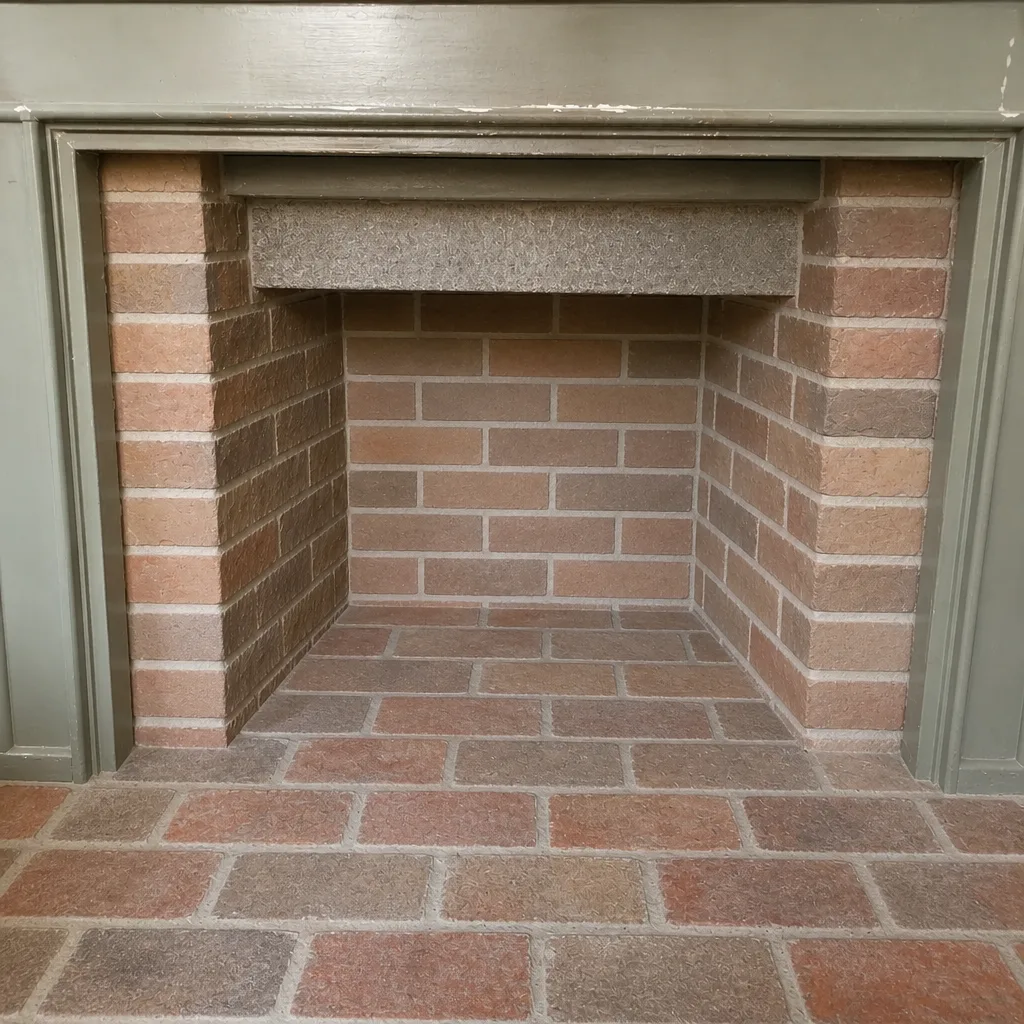
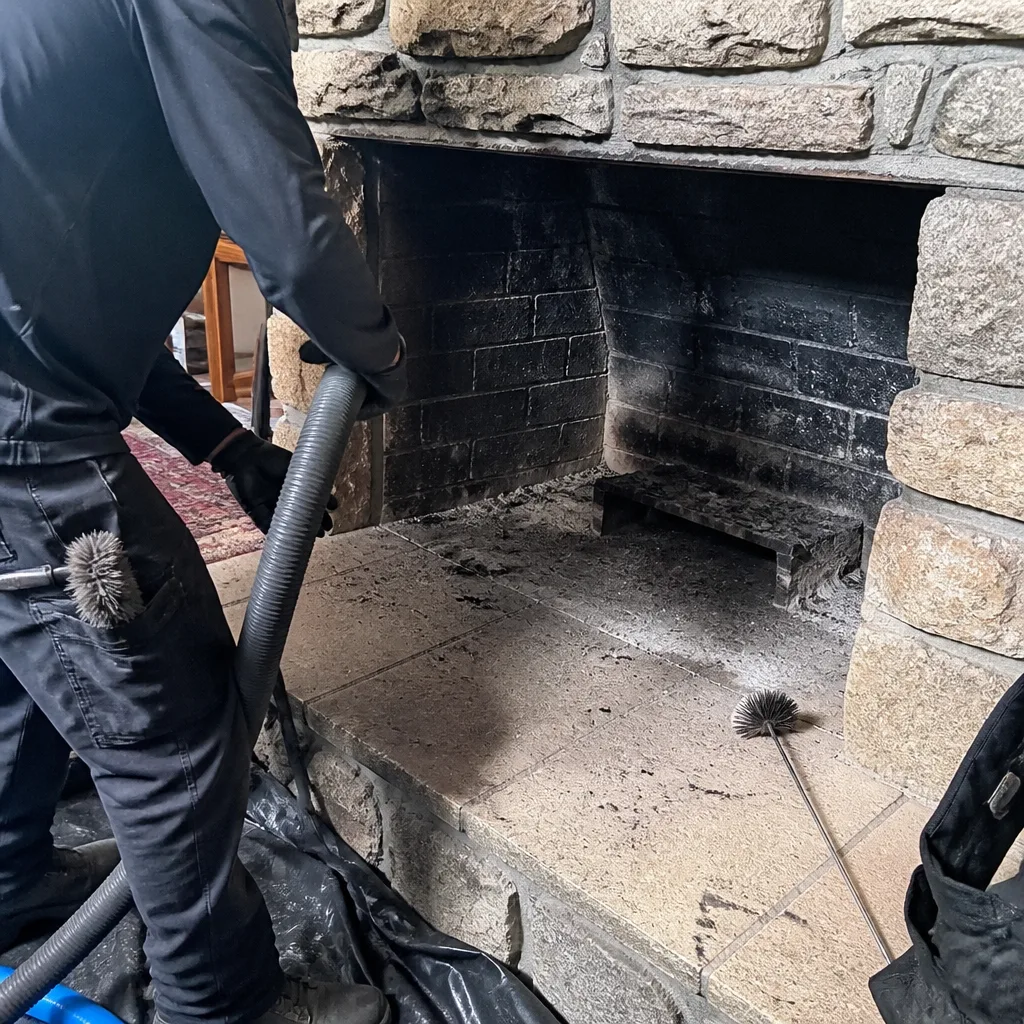
See the difference
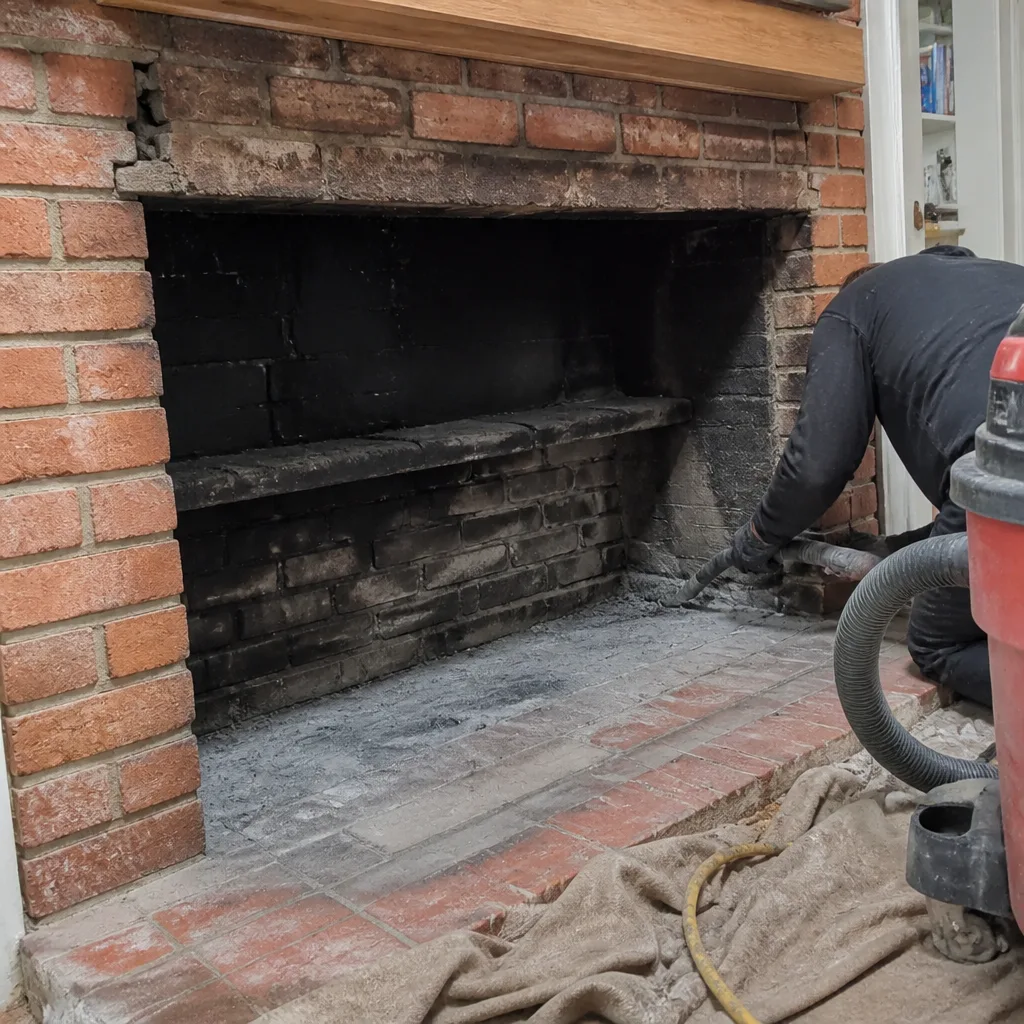 Before
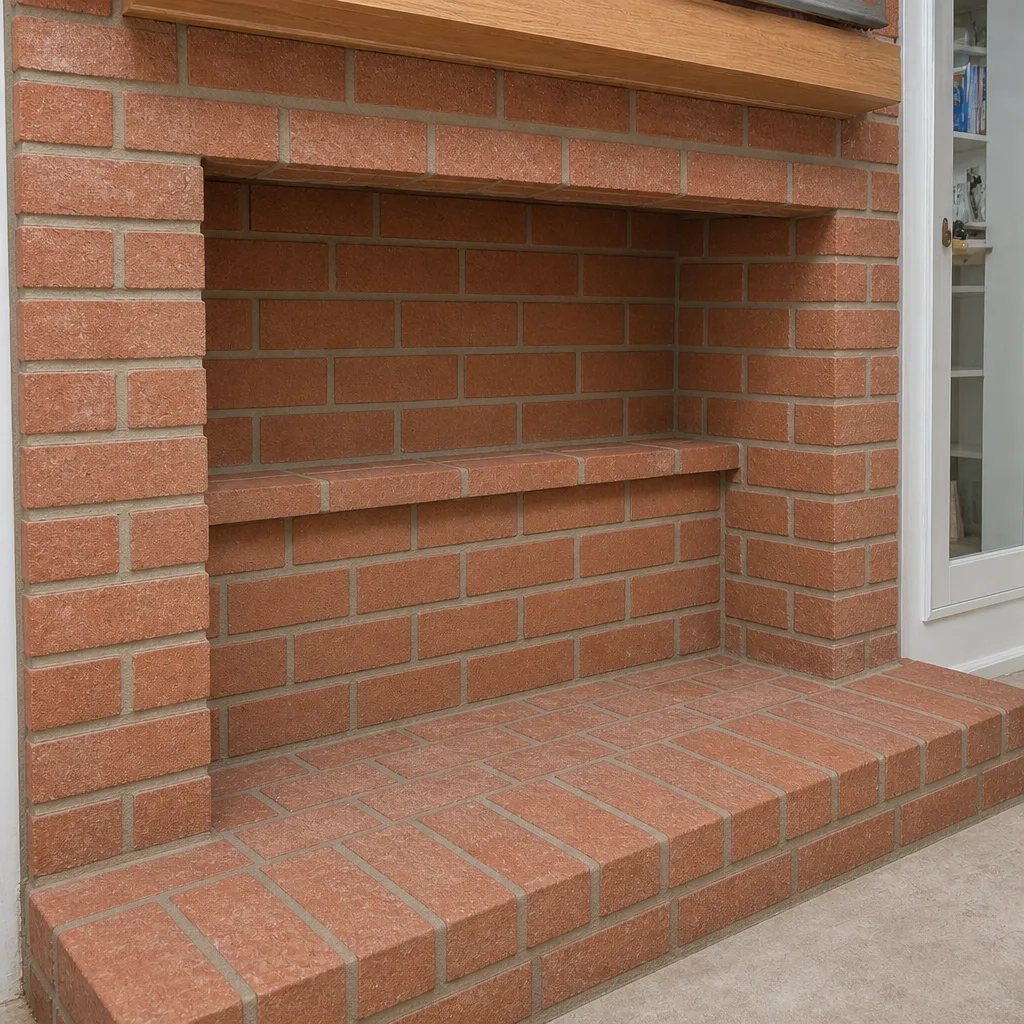 After
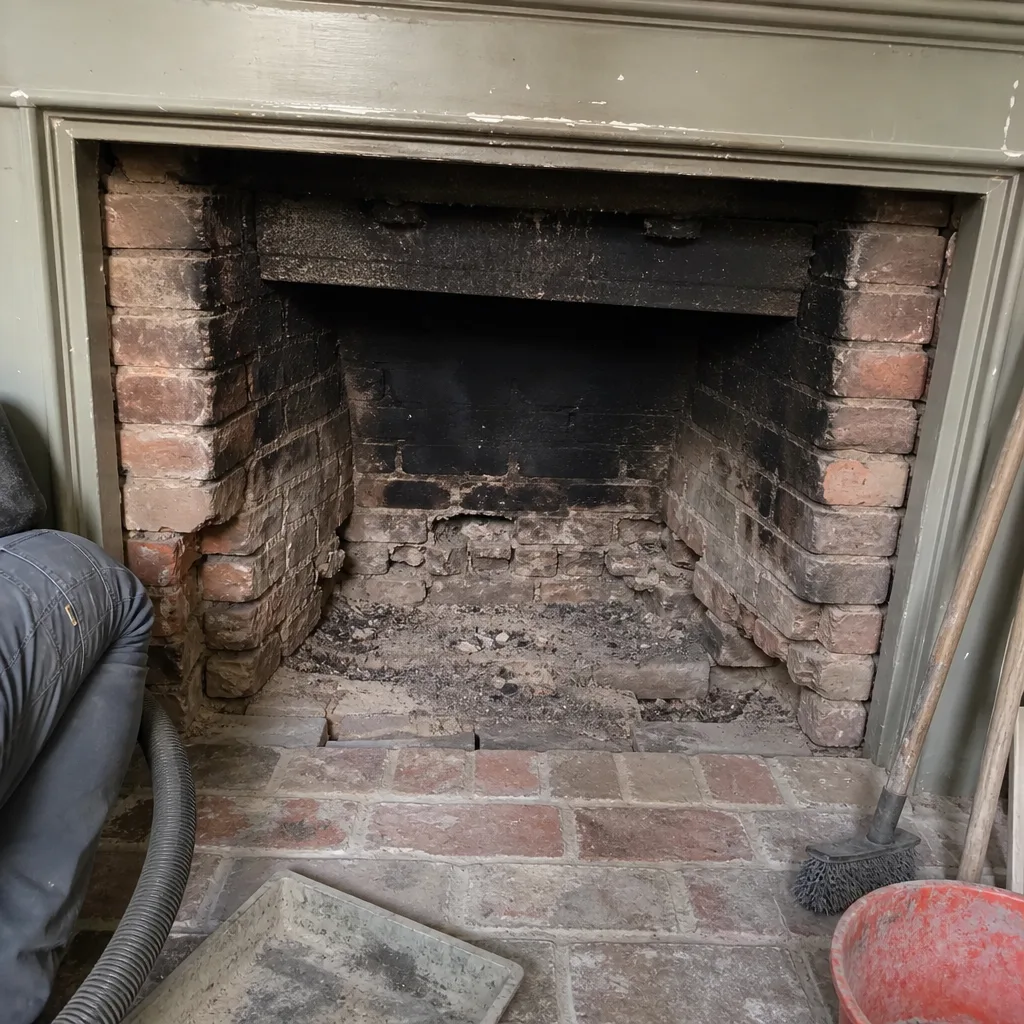 Before
 After
 Before
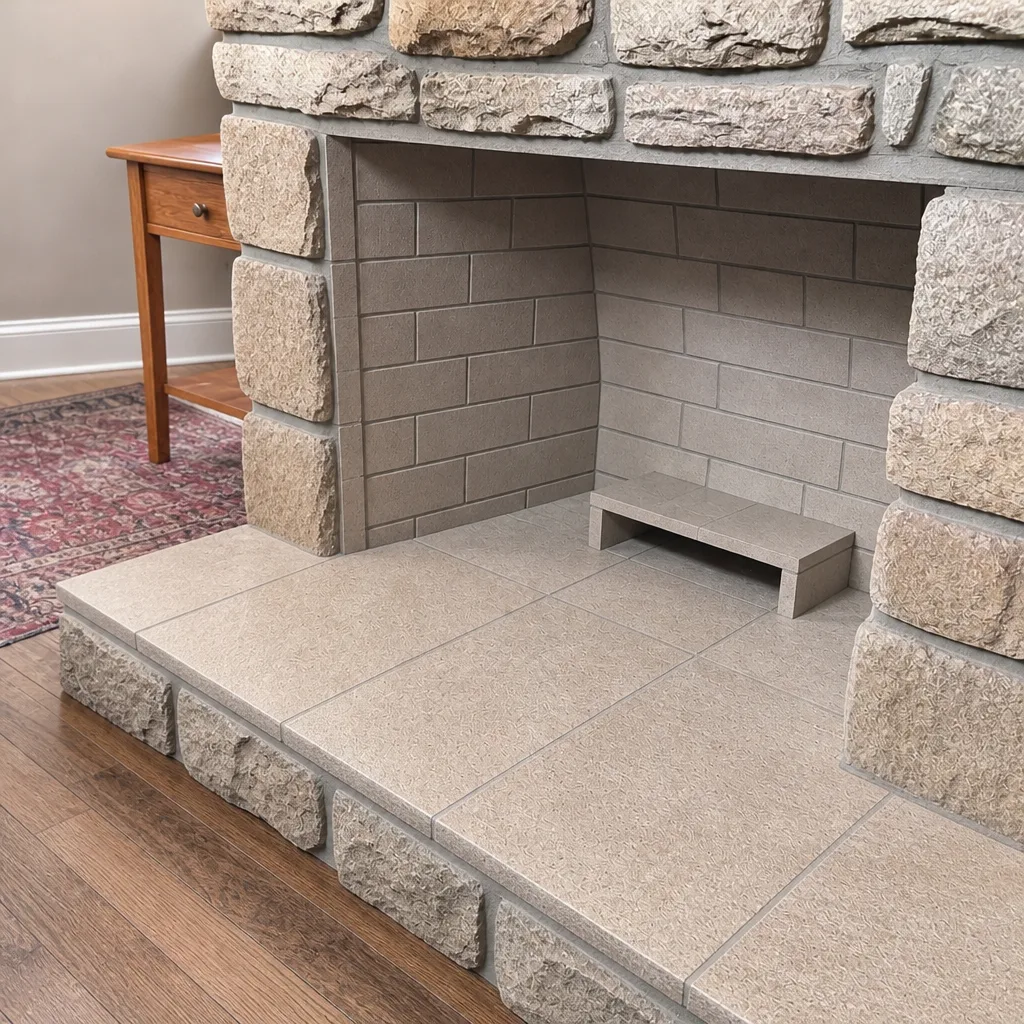 After
Frequently Asked Questions
Once a year for most homes, and that applies whether you burn regularly or only a handful of times each season. The annual visit is as much about moisture inspection and storm damage as it is about creosote removal, and Raleigh’s humid summers make that inspection worthwhile even in a year with light use. If you burn heavily, or your wood isn’t fully seasoned, a mid-season check may be wise. Call (833) 304-2125 for an exact quote, and estimates are free.
You can safely check the firebox, damper, cap, crown, and exterior masonry from the ground, and you should. What you can’t do is see inside the flue liner without a camera, and the liner is the safety-critical part. Creosote removal and liner inspection need a trained sweep with the right equipment. Call (833) 304-2125 to schedule an inspection, and estimates are free.
Yes, because moisture damage and structural deterioration happen whether or not the chimney is in use. An unused flue still collects debris, still draws moisture through the masonry, and still needs its cap and crown intact to keep water out. An annual inspection catches slow damage before it becomes a rebuild. Call (833) 304-2125 with questions, and estimates are free.
Check the exterior masonry for new cracks, the crown and cap for damage, the flashing where the chimney meets the roof, and the attic near the chimney for water staining. If you see anything concerning, or if there was impact from a limb or a lightning strike, book a professional inspection before the heating season. Call (833) 304-2125 to get on the schedule, and estimates are free.
Yes, because lint accumulates every load and is highly flammable. The vent is one of the most overlooked fire hazards in a home, and it’s invisible from the outside. Cleaning it annually keeps airflow up and lint down, and it’s easy to add to your chimney visit so it doesn’t get forgotten. Call (833) 304-2125 to add it to your sweep, and estimates are free.
Because deterioration is gradual and easy to miss without a comparison point. Year-over-year photos and saved inspection reports let you and your sweep see whether a small issue is stable or getting worse, and they make good decisions much easier. We include a camera inspection and photo report with each visit so you have the record without doing the work yourself. Call (833) 304-2125 to book, and estimates are free.
The Bottom Line
A Raleigh chimney needs a maintenance plan tuned to Raleigh’s weather, not a generic national checklist. Annual sweeping and inspection in late summer, a post-storm structural check, year-over-year documentation, and dryer vent cleaning on the same schedule cover the real threats: moisture, storm damage, creosote, and lint. You can safely handle the ground-level visual checks yourself. Leave the flue interior, liner inspection, and any repair to a professional. When we find a problem, we show you the camera evidence and quote the repair in a written estimate. Whether it’s a sweep, a repair, or dryer vent cleaning, one call handles it. Call (833) 304-2125 for a free estimate. We answer 24/7.
Written by the team at Raleigh Chimney Cleaning, serving Raleigh since 2013.