
Last updated November 14, 2026
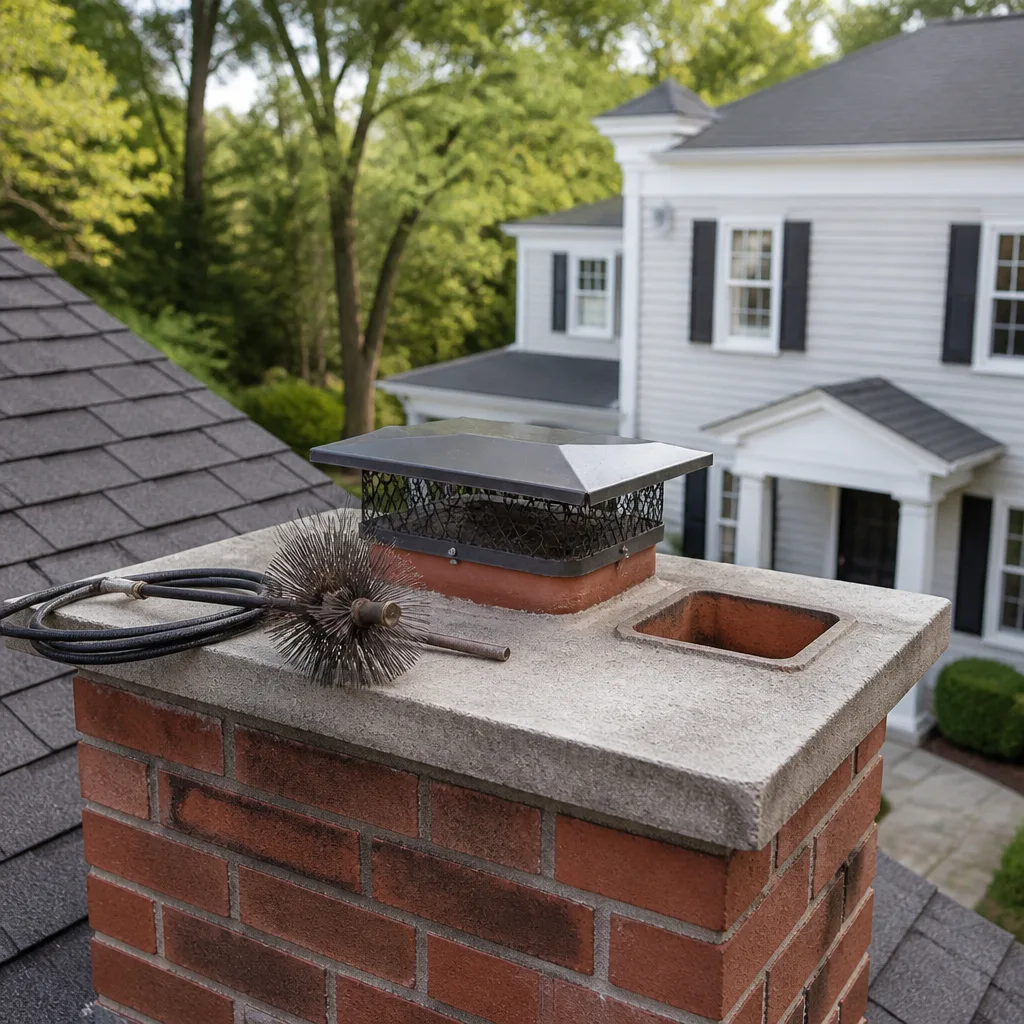 Sweep & inspection
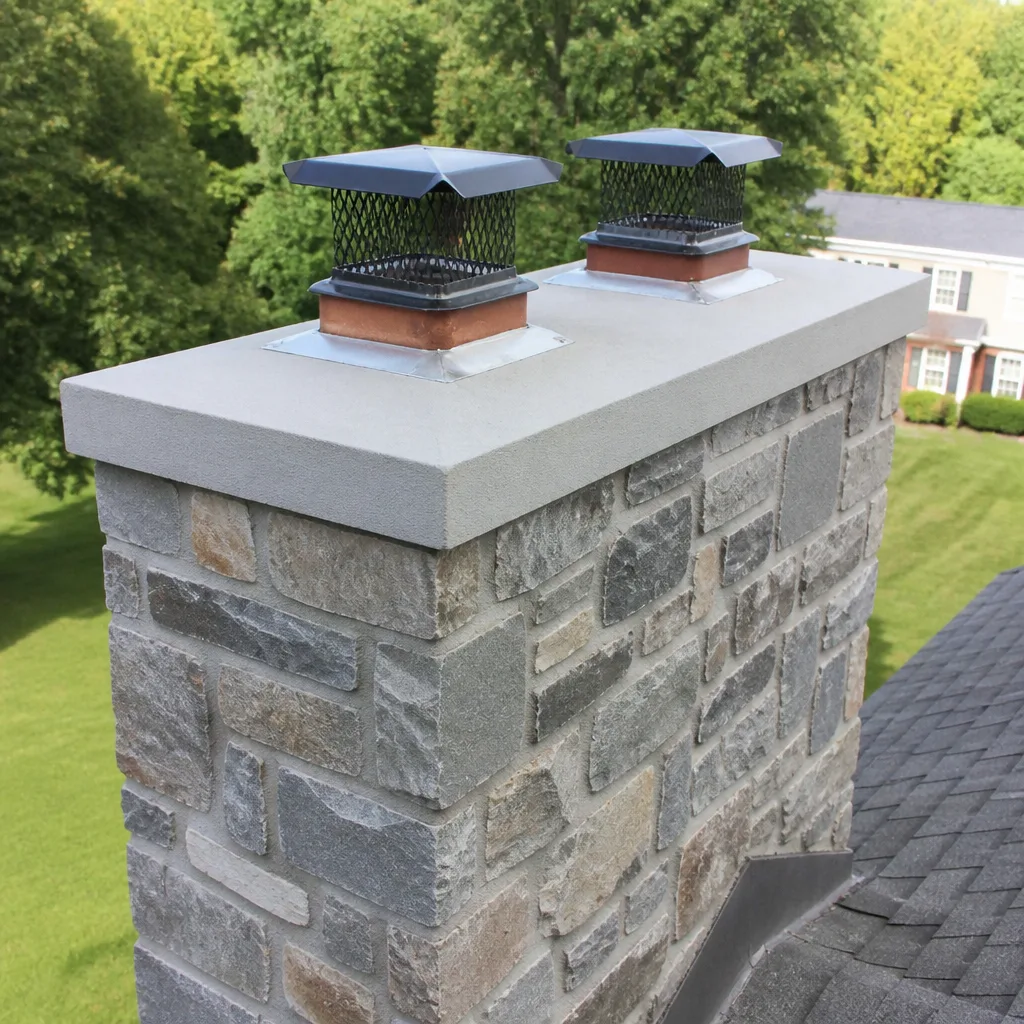 Caps & crowns
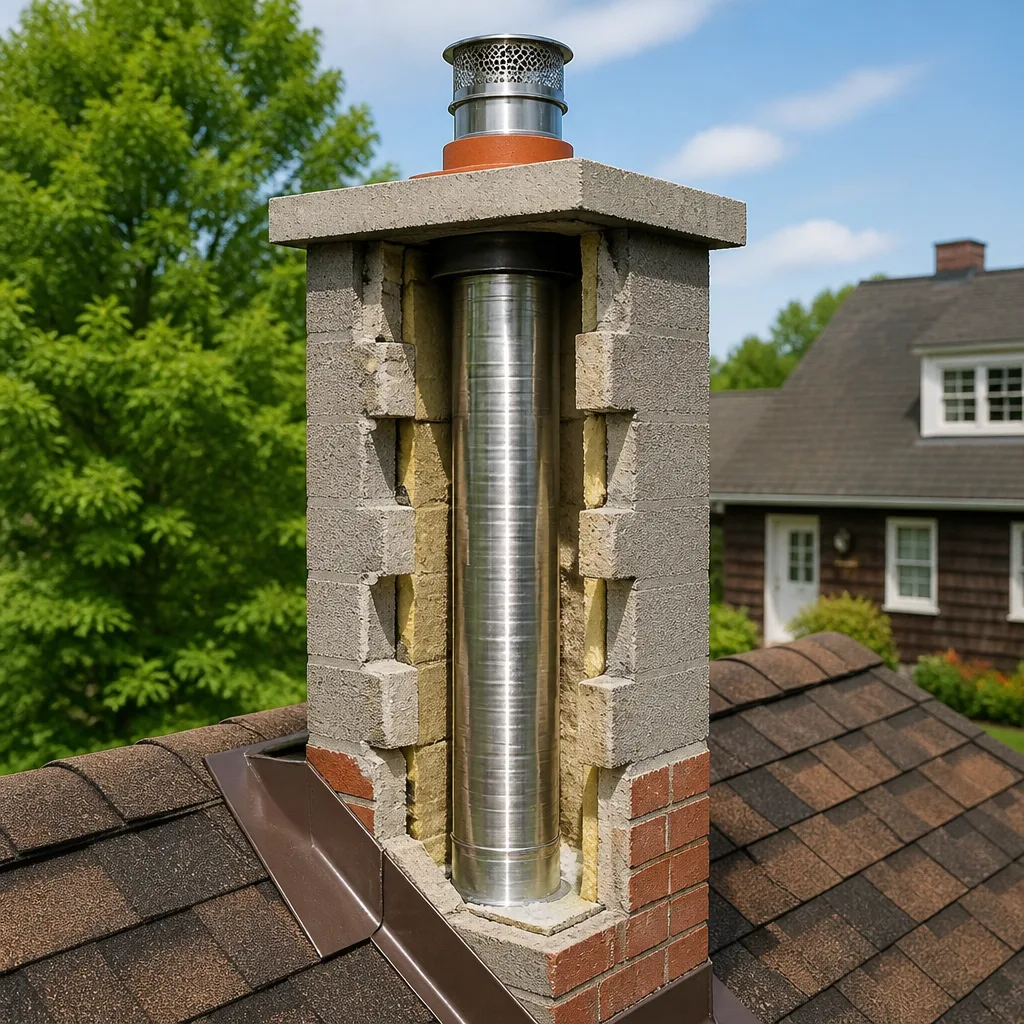 Flue relining
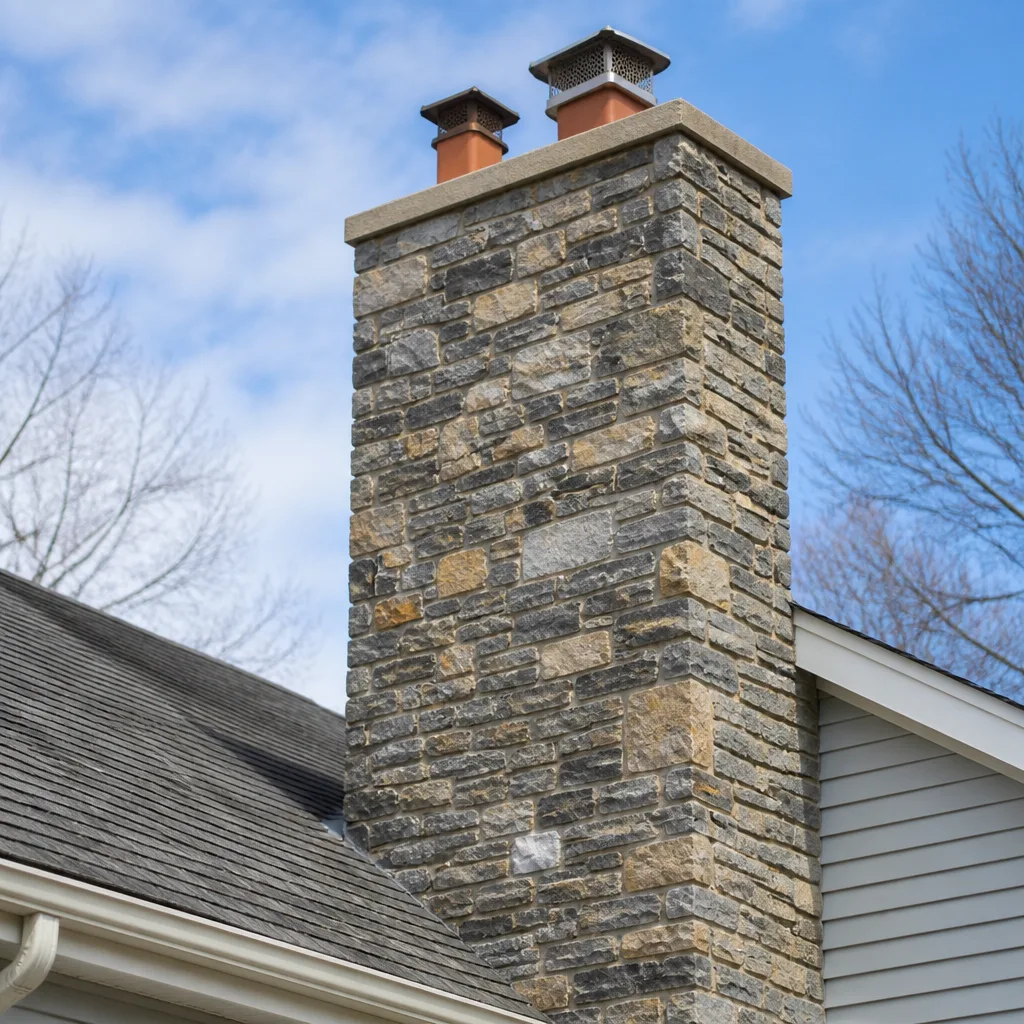 Masonry repair
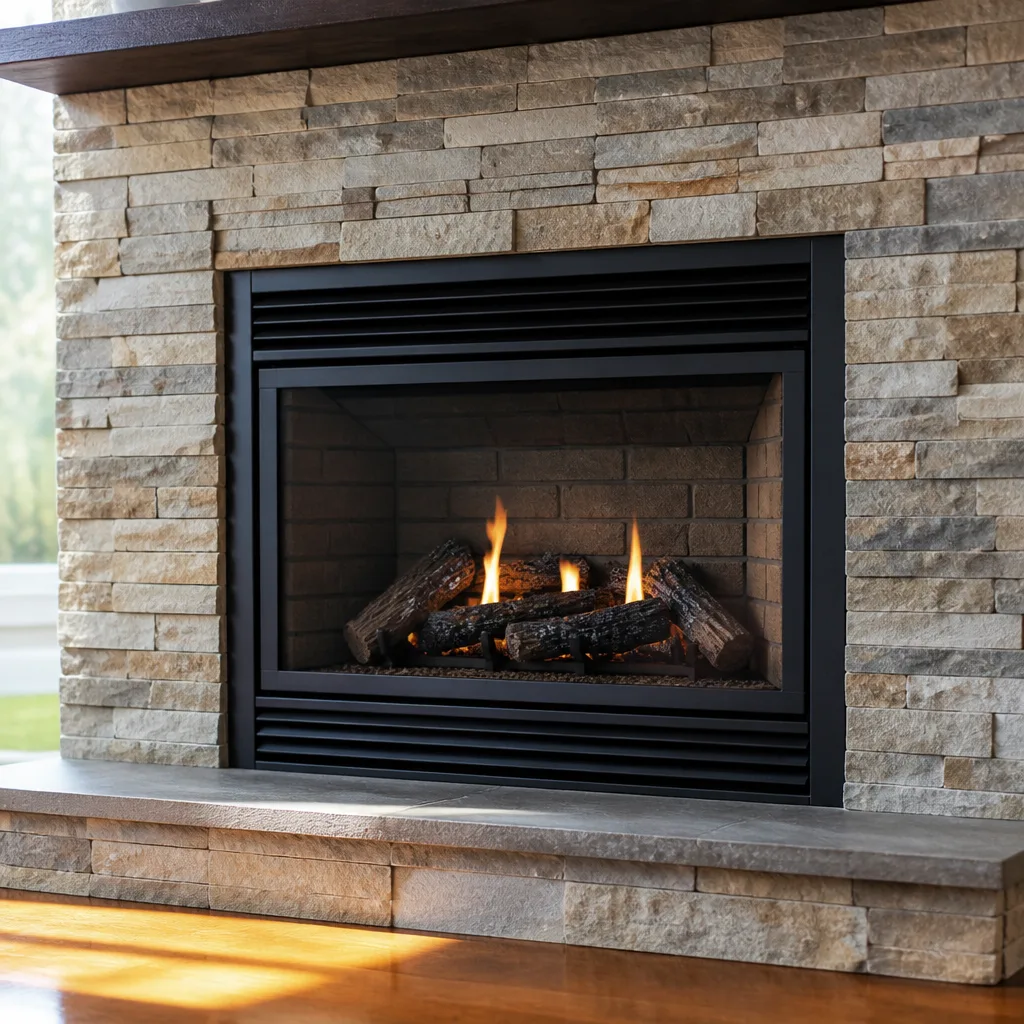 Gas fireplace service
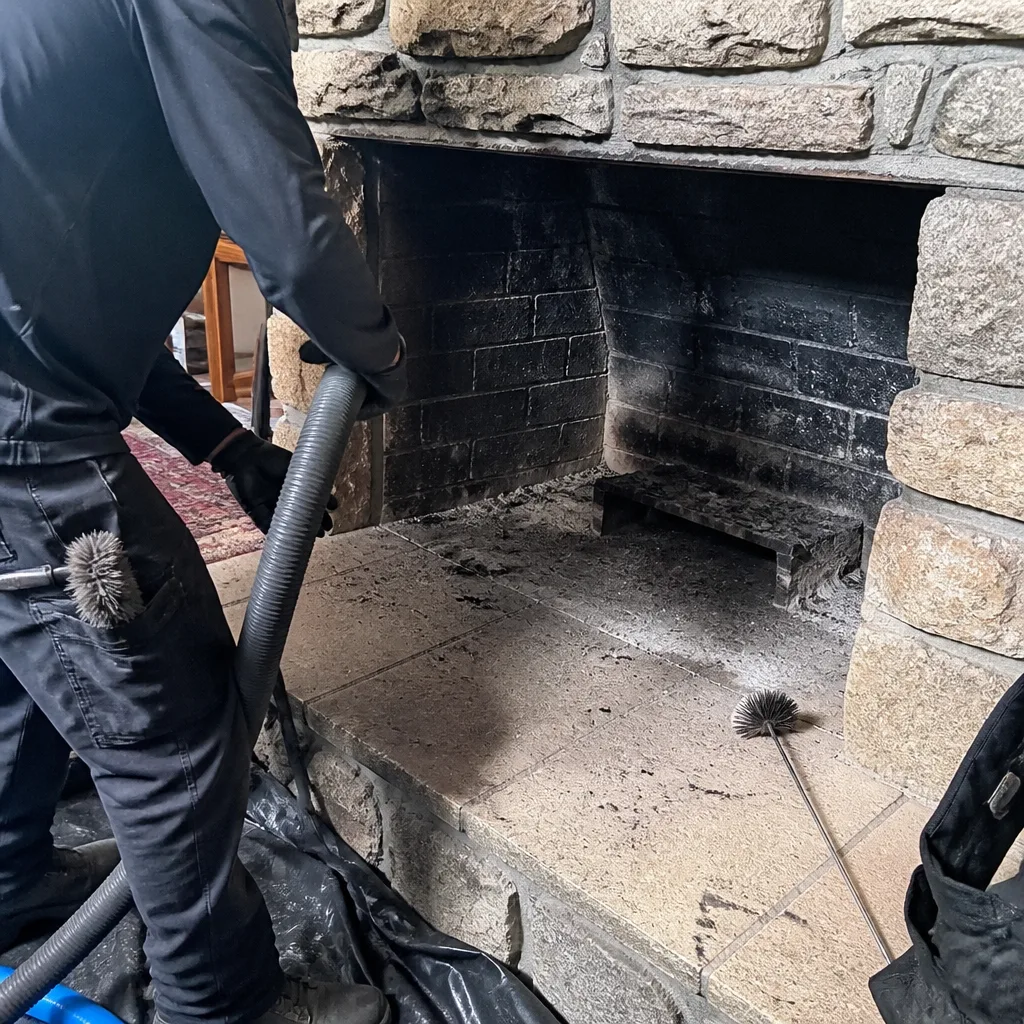
Level 1 sweep and inspection to the NFPA 211 annual standard - flue, crown, cap, and flashing checked and photographed
Chimney sweep logs do not sweep chimneys. They loosen some creosote - which then falls where a brush and vacuum still have to collect it.
Chimney Cleaning Emergency Preparedness Guide for Raleigh Homes
A chimney fire sounds like a jet engine and burns at over 2,000°F. It’s survivable in a structurally sound chimney, and catastrophic in a compromised one. That gap usually comes down to the condition of the flue before the fire ever starts. Most chimney emergencies we’re called to in Raleigh follow the same pattern: they begin with a warning sign someone noticed and dismissed. A little smoke spilling into the room. Creosote flaking off the damper. A smell that didn’t used to be there.
So this guide is less about emergency kits and more about knowing exactly when to stop using your fireplace. You’ll learn how to recognize an active chimney fire, what happens inside the chimney while it burns, how to prepare a one-page reference for your household, and what to do after the fire trucks leave.
Quick Answer
If you suspect a chimney fire, get everyone out of the house, call 911, and don’t try to fight it yourself. After any chimney fire, even one that seems to have gone out on its own, the chimney needs a professional inspection before you burn again. A cracked or deteriorated flue liner lets combustion gases, including carbon monoxide, into your home, and a fire can damage a liner without any visible sign from the living room.
Styles & brands we work with
- Sweep & inspection
- Caps & crowns
- Flue relining
- Masonry repair
- Gas fireplace service
Table of Contents
- How Do You Recognize an Active Chimney Fire?
- What to Do in the First Minutes: Immediate Steps
- What Happens to the Chimney During a Fire
- Carbon Monoxide and Backdraft: The Hidden Risk
- Building Your One-Page Chimney Emergency Reference
- The Aftermath: Insurance, Documentation, and Repairs
- Prevention: Knowing When to Stop Using the Fireplace
- Common Mistakes to Avoid
How Do You Recognize an Active Chimney Fire?
A chimney fire can be loud and obvious or quiet and nearly invisible. The loud version is what most people picture. The quiet version is the one that catches Raleigh homeowners off guard, because it burns hot for a while with almost no noise and can do serious damage before anyone notices.
Watch for these signs, and treat any one of them as a reason to stop using the fireplace and call:
- Sound: a low roar or rumbling that sounds like a freight train or a jet engine, sometimes described as a buzzing or popping.
- Smoke: puffs of dark smoke pushing out of the top of the chimney, or smoke backing into the room instead of going up.
- Flames: visible flames or sparks at the chimney top, or a hot, glowing look to the chimney cap.
- Smell: a sharp, hot, almost chemical smell inside the house, distinct from the usual wood smoke.
- Heat: the chimney breast, the wall behind the stove, or the stovepipe itself feeling unusually hot to the touch.
- Damage signs: creosote flakes on the roof, warped or discolored chimney caps, cracked masonry, or pieces of flue tile in the firebox after a fire.
In our experience, the quiet fires are the ones that start with a slow buildup of creosote in a flue that hasn’t been swept, then ignite on an ordinary evening when the wood is dry and the fire runs hot. That’s why a routine chimney sweep does more for fire safety than any list of emergency supplies. It removes the fuel before the fire starts.
What to Do in the First Minutes: Immediate Steps
If you have any reason to think the chimney is on fire, act first and confirm later. A chimney fire that stays inside a sound flue is a controlled situation. A fire in a failing flue is not. You can’t tell the difference from the living room, so the safe assumption is the one that protects your household.
Here’s the sequence we recommend, in order:
- Get everyone out of the house. Don’t stop to gather belongings. Get people and pets outside and away from the structure.
- Call 911. Say plainly: “I think my chimney is on fire.” Give your address and tell them whether you see smoke, flames, or hear a roaring sound.
- Don’t try to put water on the fire. Water on a hot fire inside a masonry chimney can cause a steam explosion or crack the flue. Leave extinguishing to the fire department.
- If the fire is contained to the firebox and you can safely reach it, close the glass doors or the stove door to starve the fire of air. Don’t reach into a hot stove.
- Don’t close the damper. A closed damper traps heat and pressure in the flue, and it can push smoke into the house. Let the fire department handle the chimney.
- Stay outside until the fire department clears the house. Even after flames stop, a flue can hold enough heat to re-ignite.
The most important thing not to do is wait to see if it “burns itself out.” A chimney fire feeds on creosote, and creosote burns hot and fast. Waiting gives the fire more time to stress flue tiles and mortar joints, which is exactly how a contained fire becomes a structural fire.
What Happens to the Chimney During a Fire
A chimney fire doesn’t just burn wood. It burns the buildup inside the flue, and that buildup can reach temperatures high enough to damage the chimney itself. A masonry flue with clay tiles is built to carry smoke and heat away from the house. It is not built to withstand a 2,000°F fire running up its length for minutes at a time.
During a hot fire, the flue tiles expand and can crack. Mortar joints can fail. The metal flue of a prefabricated fireplace can warp. Gaskets and seams can loosen. None of these show up in the living room. That’s why a post-fire inspection isn’t optional, even if the house looks completely fine afterward.
Here’s the part most homeowners don’t realize: a chimney can look sound from the outside and have a cracked flue liner inside. The crack opens a path for smoke and combustion gases to reach the framing or the interior of the house instead of going up and out. In our work across Raleigh, we’ve found that the inspection is what turns a scary night into a manageable repair, because it tells you exactly what the fire did and what has to be fixed before you burn again.
This is also where repair capability matters. Some chimneys need a full reline. Others can be restored with a ceramic resurfacing product like HeatShield, which can bring a damaged flue liner back into service without a full rebuild. A sweep-only company can tell you there’s a problem. We repair what we find, using professional-grade materials like HeatShield and DuraFlex rather than generic patching compounds.
Carbon Monoxide and Backdraft: The Hidden Risk
Carbon monoxide is the part of chimney safety people underestimate, because it has no color, no smell, and no warning until someone feels sick. A chimney’s job is to carry combustion gases up and out. When the chimney is compromised or the pressure balance in the house is off, those gases can come back into the living space instead.
The scenarios that create backdraft conditions in Raleigh homes are specific and worth knowing:
- A cracked or blocked flue. After a chimney fire, a cracked liner or a flue partly blocked by fallen tile sends gases into the house.
- A cold flue. A chimney that hasn’t been used in a while is cold, and cold air sinks. A fire started in a cold flue can push smoke back into the room until the flue warms up.
- Tight modern homes. Newer, well-sealed houses hold pressure, and exhaust fans in the kitchen or bath can pull air down the chimney. Raleigh’s mix of older bungalows and newer tightly built homes means these conditions vary from house to house.
- A blocked chimney cap or nest. Birds and squirrels nest in chimney flues more often than people expect, and a blocked flue has nowhere to vent but back into the room.
- A closed or partly closed damper. It’s easy to forget the damper after the fire dies down.
If anyone in the house gets headaches, dizziness, or nausea while the fireplace is in use, get fresh air, get everyone outside, and call for help. A carbon monoxide alarm on each floor is a cheap, fast layer of protection. So is an annual inspection that checks the flue and the cap before the burning season starts.
Building Your One-Page Chimney Emergency Reference
During an emergency, nobody remembers the details. A one-page reference posted inside a kitchen cabinet or on the fridge takes the thinking out of the moment. Build it once, update it once a year, and make sure everyone in the household knows where it is.
Here’s what to put on it:
- Emergency numbers. 911, your gas utility’s emergency line, and your chimney professional’s number. Add our line, (833) 304-2125, for non-emergency follow-up inspections and repairs.
- Where the gas shutoff is. If you have a gas fireplace or gas appliances, walk the house with your household and mark the shutoff valve location on the sheet.
- Where the main electrical panel is. The fire department may ask, and knowing the location saves time.
- What to tell 911. Write out a short script: “I think my chimney is on fire,” the address, whether there’s smoke or flames visible, and whether everyone is out.
- A note on what not to do. Don’t pour water on the fire. Don’t close the damper. Don’t re-enter the house to grab belongings.
- Where the fireplace and damper controls are. For a wood stove, note the air control. For a fireplace, note the damper handle.
- A date for the annual inspection. Put the month on the sheet so it doesn’t get lost.
We recommend keeping a copy in a fire-safe box or a phone photo folder, too. The paper version is for the moment when nobody wants to open an app. Write it in plain language, and refresh it whenever you move or change heating equipment.
The Aftermath: Insurance, Documentation, and Repairs
After a chimney fire, the fire department will usually tell you the chimney needs an inspection before use. Take that seriously. A post-fire inspection is what documents the damage for your insurance company and tells you exactly what has to be repaired before you burn again.
Here’s the aftermath sequence that keeps the process simple:
- Get the fire department’s report. Ask for a copy of the incident report. Your insurer will want it.
- Don’t use the fireplace until an inspection clears it. That includes “just to see if it still works.” It doesn’t.
- Have a professional inspection done, with photos and a written report. This is what your insurer needs to see, and it’s what tells you what the fire damaged.
- Contact your insurer with the inspection report and the fire report. Keep a folder with both, plus any photos you took.
- Get the repair scoped before you schedule it. Some fires need a reline, some need liner resurfacing, and some need masonry repair. The inspection tells you which.
- Keep the repair paperwork. If you sell the house, a documented repair history is worth having.
If you’re not sure whether your situation has already been through this process, call us. We work with the repair materials a real chimney job needs, including DuraFlex flexible liner systems for chimneys with complex bends that rigid liners won’t fit, and Olympia Chimney components for the rest. If a repair can be handled another way, we’ll say so.
Prevention: Knowing When to Stop Using the Fireplace
Prevention starts with knowing when to stop using the fireplace. That’s not a slogan. It’s a practical call you can make on a random evening in Raleigh, and it’s the single biggest factor in whether a chimney fire ever happens in your home.
Stop using the fireplace and call for a professional look if any of these is true:
- You haven’t had the chimney swept in more than a year of regular use. Creosote builds up quietly and is the fuel for most chimney fires.
- You see smoke backing into the room. That’s a draft or blockage problem, not a quirk.
- You smell a strong, hot, chemical odor when the fire is going.
- You notice cracked masonry, missing mortar, or loose flue tiles.
- You see creosote flakes or soot on the roof or in the firebox.
- The chimney cap is damaged or missing. An open flue is an invitation for birds and water.
- You’ve had a chimney fire before, at any point. The flue may still be compromised.
Alongside the fireplace, don’t forget the dryer vent. Lint buildup in a dryer vent is a second hidden fire hazard in a lot of homes, and it’s one most people never think about. Our dryer vent cleaning handles that side of the house in the same visit, so both fire risks get addressed together.
Common Mistakes to Avoid
- Assuming the fire is out because you stopped seeing smoke. A chimney fire can smolder and re-ignite. Get an inspection before you use the fireplace again.
- Pouring water into a hot firebox or flue. The thermal shock can crack masonry and flue tiles and turn a contained fire into a much bigger repair.
- Closing the damper during a chimney fire. It traps heat and pressure and can push smoke into the house. Leave it open and get out.
- Waiting until a chimney fire to book a sweep. The best time to sweep a Raleigh chimney is before the burning season, not after the fire department leaves.
- Skipping the post-fire inspection because the house looks fine. Flue damage is often inside the chimney where you can’t see it, and the risk shows up as carbon monoxide later.
- Letting a sweep-only company inspect and walk away. If a repair is needed, you want one company that can both find the problem and fix it, not a referral chain.
- Forgetting the dryer vent. Lint is fuel, and a clogged vent is a fire hazard in a part of the house you rarely look at. Two hidden fire risks, one visit, is the right way to handle both.
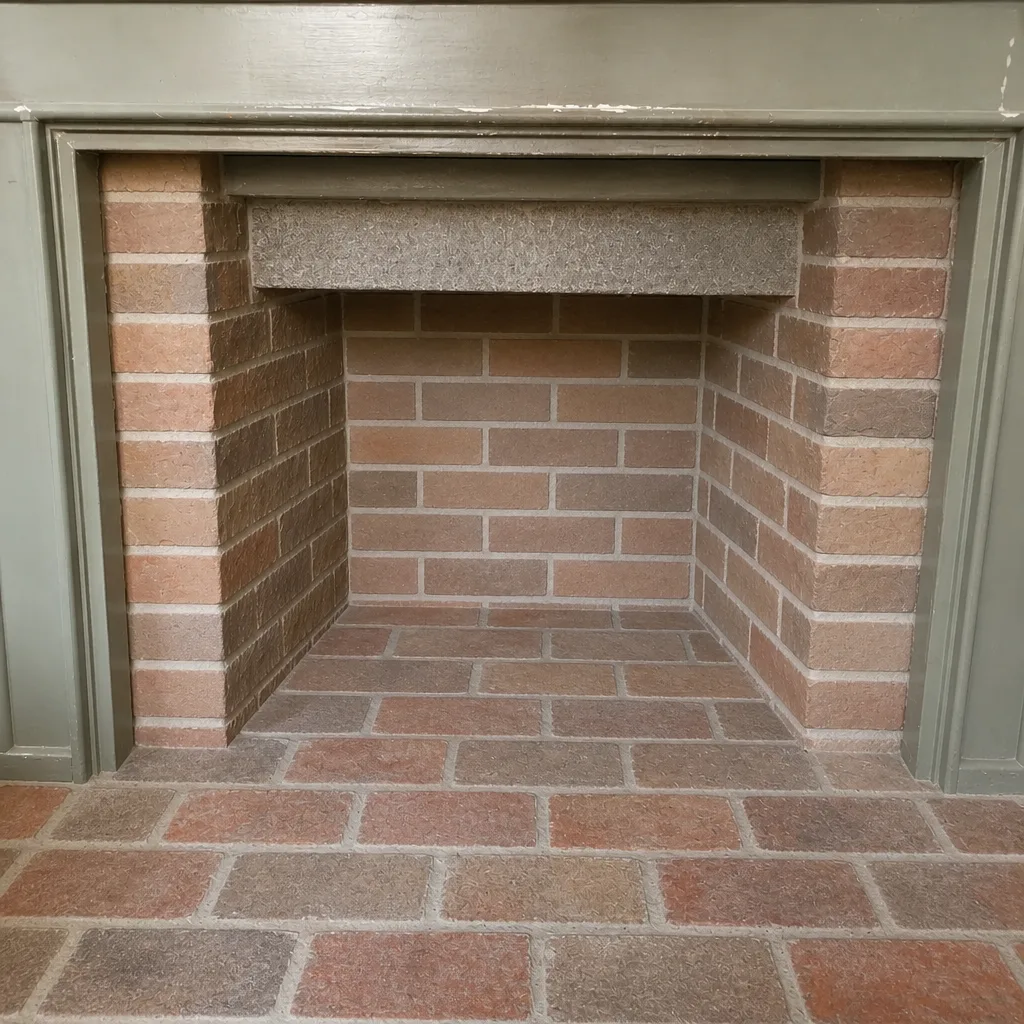
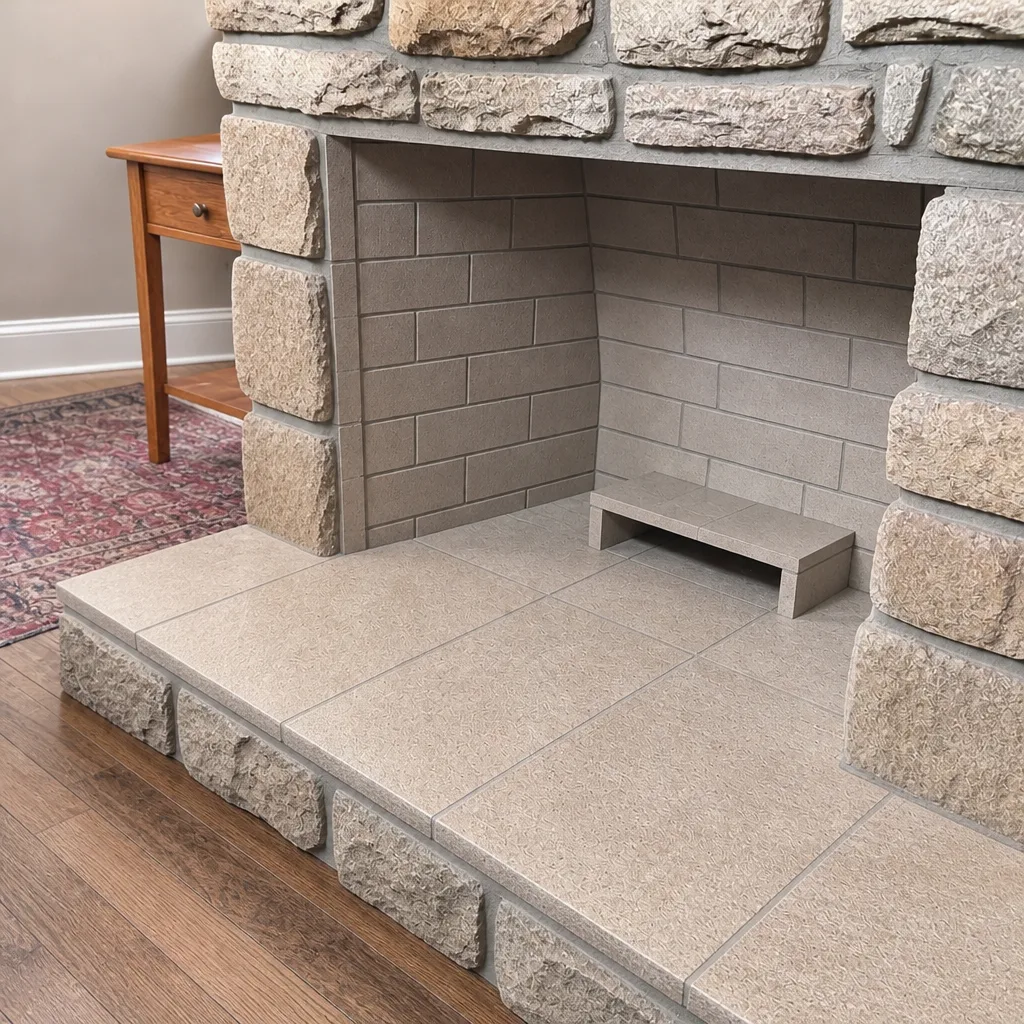
See the difference
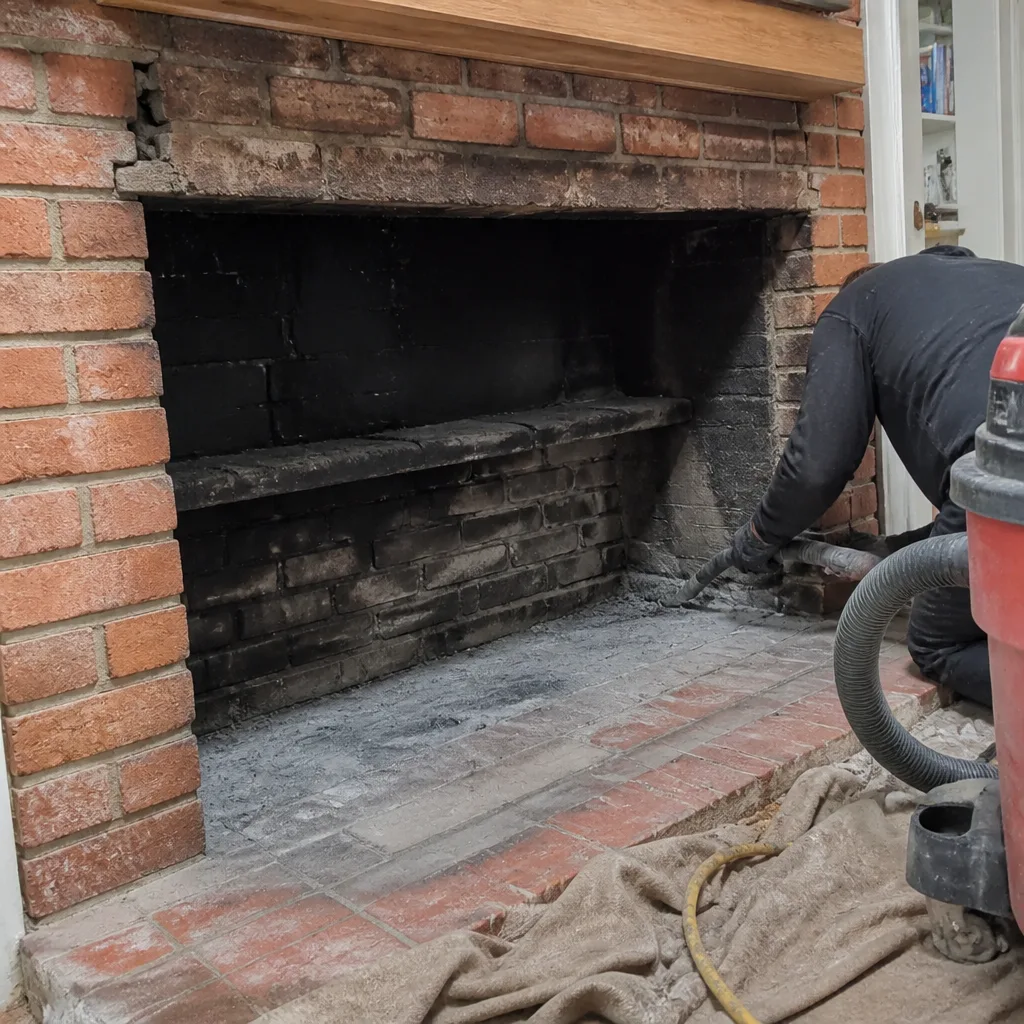 Before
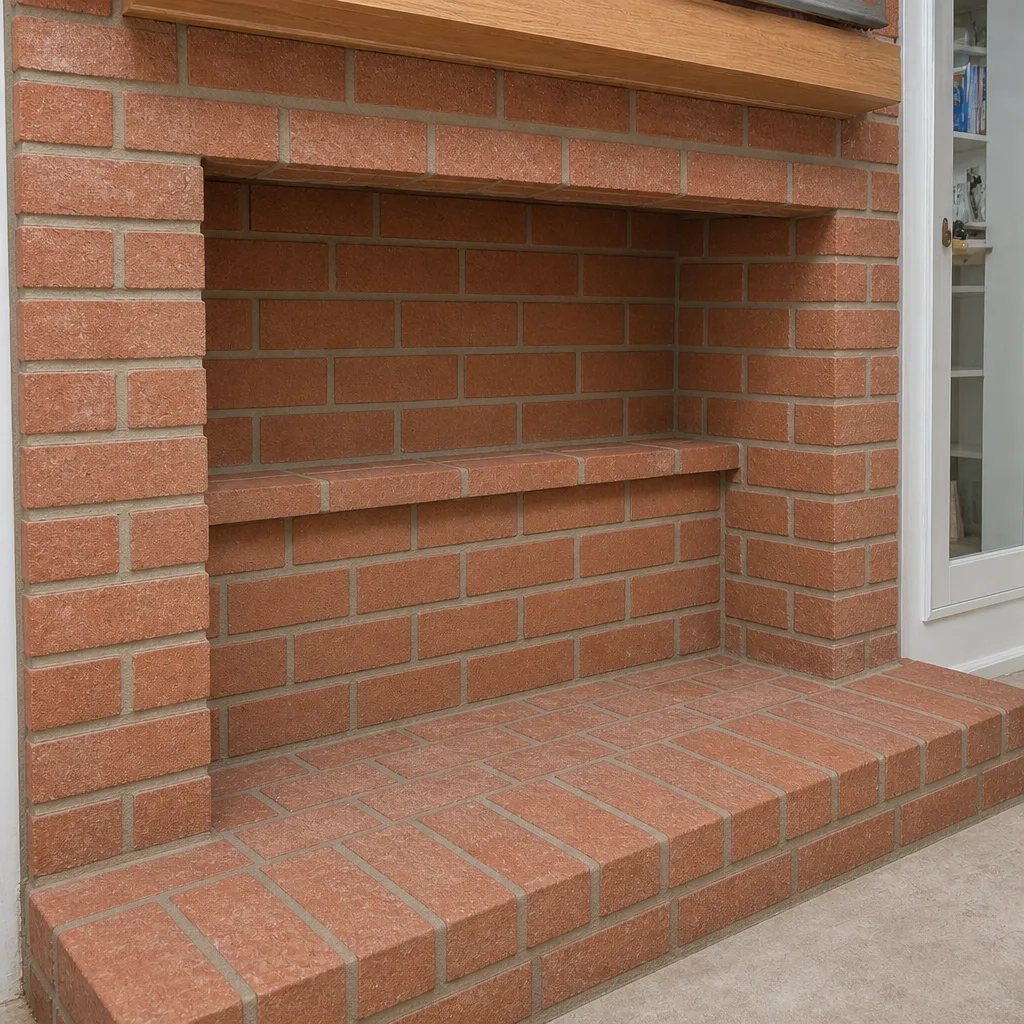 After
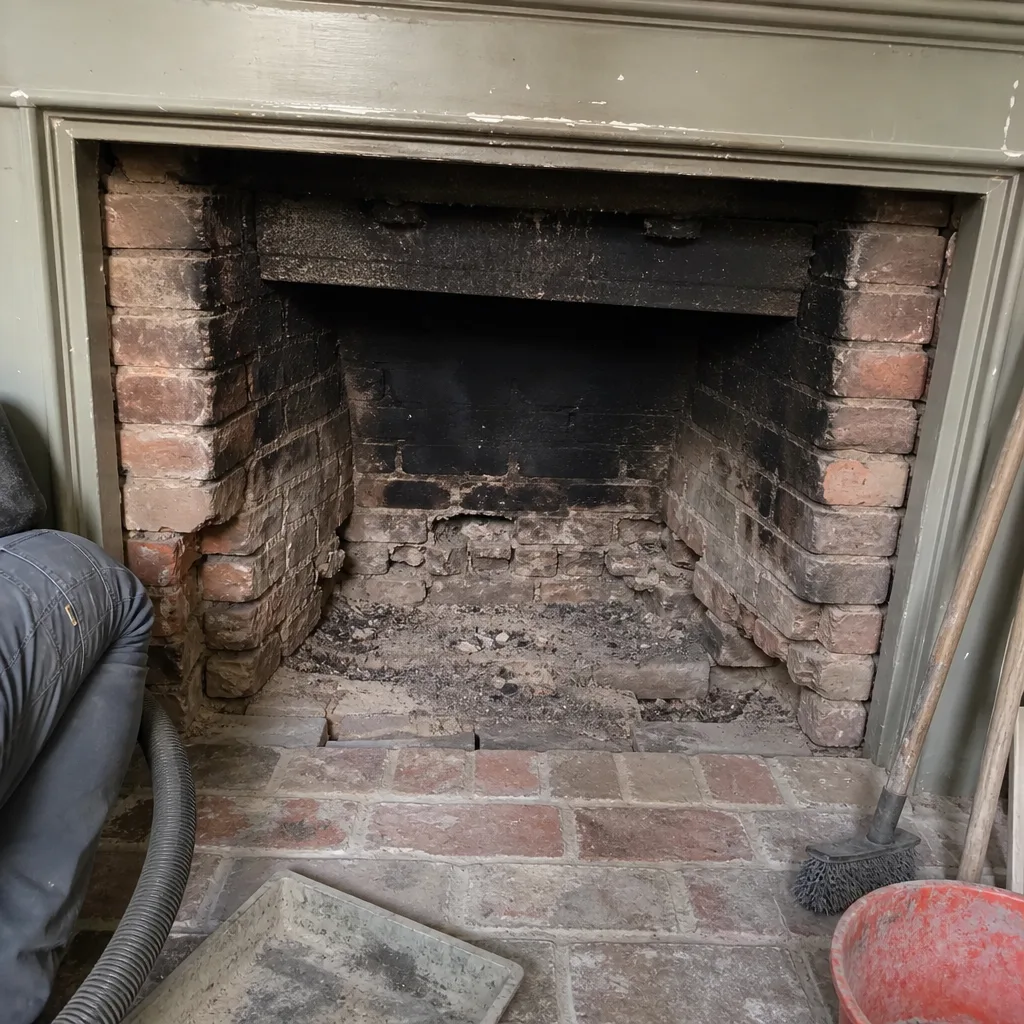 Before
 After
 Before
 After
When to Call a Professional
Call a professional for any active chimney fire, any suspected chimney fire, any smoke backing into the room, and any post-fire inspection. Also call if you haven’t had the chimney swept in a year of regular use, if you’ve noticed cracked masonry or a damaged cap, or if anyone in the house has had headaches or odd symptoms during fireplace use. If you’re not sure, call anyway. An inspection that finds nothing is still a useful answer, and it costs far less than a repair that starts with a fire.
We offer free estimates in Raleigh and can inspect, diagnose, and repair in one visit. Call (833) 304-2125. We answer 24/7. Fast dispatch from 7am to 7pm, Sunday through Friday, and closed Saturday.
Frequently Asked Questions
It often sounds like a low roar, a rumbling, or a freight train. Some chimney fires make almost no sound at all. If you hear a roar or rumble from the chimney and there’s no other explanation, treat it as a chimney fire and call 911. Call (833) 304-2125 for the follow-up inspection.
Sometimes, yes. But “it went out on its own” doesn’t mean it’s safe. A chimney fire can crack flue tiles and mortar joints while it burns, and the damage isn’t visible from inside the house. Have an inspection before you use the fireplace again. Call (833) 304-2125 to schedule one.
You can’t tell from the living room, and that’s the problem. A professional inspection looks inside the flue with a camera and checks the tiles, joints, cap, and stovepipe. Anything we recommend comes with photo evidence, so you can see what we see. Call (833) 304-2125 for an estimate.
Headaches, dizziness, nausea, and fatigue while the fireplace is in use are the classic signs. If anyone feels those symptoms while burning, get fresh air, get everyone outside, and call for help. A carbon monoxide alarm on each floor and an annual inspection are the practical protections. Call (833) 304-2125 to book the inspection.
Once a year during regular use is the general rule. Homes that burn often, or burn wood that’s not fully seasoned, may need it more often. A sweep removes the creosote that fuels chimney fires, so the timing matters more than the calendar date. Call (833) 304-2125 for a free estimate.
Give them the fire department report and a professional inspection report with photos, and keep copies of everything. The inspection report is what documents the damage and supports the repair scope. We can handle the inspection and the repair. Call (833) 304-2125 for a free estimate.
The Bottom Line
Chimney emergencies follow a predictable pattern. They start with a warning sign someone dismissed, and they end in a repair that a sweep could have prevented. The anchors of a safe house in Raleigh are simple: a one-page emergency reference, a carbon monoxide alarm on each floor, an annual sweep, and a clear rule that you stop using the fireplace after any fire or any suspicious sign until a professional clears it. Know how to recognize a chimney fire, know what not to do, and know the number to call afterward. That’s the whole guide in a paragraph.
If you’re due for a sweep, an inspection, or you just want a straight answer on what your chimney needs, call (833) 304-2125 for a free estimate. We answer 24/7. Fast dispatch from 7am to 7pm, Sunday through Friday, and closed Saturday.
For more on our Raleigh Chimney Cleaning services and how we handle both chimney and dryer vent work under one roof, get in touch.
Written by the team at Raleigh Chimney Cleaning, serving Raleigh since 2013.